2 months ago
22
2 months ago
22
Editorial
December 10, 2025 — 5.00am
December 10, 2025 — 5.00am
Australia’s so-called iconic buildings, bridges and monuments come alive with light displays for special occasions, events and campaigns. Not tonight. For the first time, they have been commandeered to celebrate a piece of legislation.
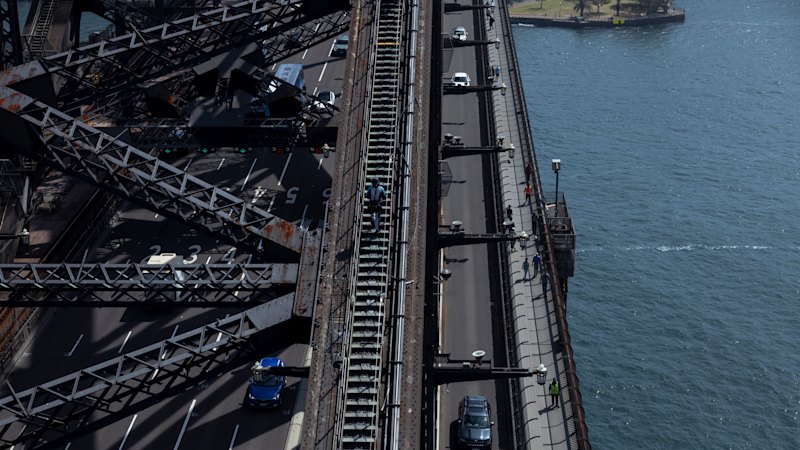
At sundown, landmarks across Australia – including the Sydney Harbour Bridge, Central Station Clock Tower and the Fish Market – will light up green and gold to spruik the world’s first social media ban for teenagers.
Google has agreed to comply with the social media ban for under-16sCredit: AP
While the Prime Minister Anthony Albanese said it was a profound reform that would become a source of national pride in years to come, NSW Premier Chris Minns admitted the display was all about putting the ban onto the world stage.
“Marking the start of these laws by turning these icons of Sydney Harbour green and gold sends a message to the world that Australia is prepared to lead when it comes to keeping children safe online, and we want the world to follow us.”
Other states have fallen in line to celebrate, with railway stations, bridges and ovals and Canberra’s National Carillon bathed in Australia’s Olympic colours from sundown. Even the Northern Territory’s conservative Country Liberal Party government has allowed the Darwin Parliament House to be illuminated.
But the light display is a misstep by the Albanese government. The laudable and much-needed legislation should not be so cheaply devalued by using landmarks for propaganda.
Just as Communications Minister Anika Wells’ travel claims are needlessly distracting attention from the under-16 social media ban she is overseeing on the very week it is being implemented, using public landmarks to celebrate the law risks a backlash from people unimpressed with government intrusion into their use of websites and apps.
Not all Australians support the legislation. Leaving aside most under-16s unhappy with being left in the dark – and the politically uncomfortable reality that many may have long memories when they turn 18 and vote – the value of the legislation is still open to conjecture. Further, doubts remain about its long-term efficacy.
There are already reports of teenagers using masks to bypass facial recognition requirements or moving to apps that are not banned. And the High Court has agreed to hear a special case from two teenagers challenging the federal government’s new social media ban next February.
The Albanese government has put the onus on Big Tech media companies to enforce the ban, with 10 platforms facing large penalties for companies that fail to act.
However, Big Tech is muddying the playing field. After threatening a legal challenge, Google agreed to comply. But on the eve of the ban becoming law, the Australian Financial Review reported Reddit was preparing to launch a legal challenge. Such reliance on Big Tech’s goodwill paints the government as something of a toothless tiger.
Despite the many questions, the Albanese government’s attempt to strengthen online safety for children is a good story that did not need the dubious jingoistic propaganda of green and gold flashing lights.
Get a weekly wrap of views that will challenge, champion and inform your own. Sign up for our Opinion newsletter.
Most Viewed in Politics
Loading