3 months ago
13
3 months ago
13
Platinum, used in high-end jewellery, benefited from the lift in gold. At half the price of its shiny precious metal counterpart, platinum is relatively cheap for jewellers.
It is also a metal important to vehicle production, both internal combustion and electric.
Throw in the Trump turmoil and a global shortage (due to a fall in the world’s largest producer nation, South Africa) and you set the stage for one of the most unexpected increases in value for a precious metal this year.
But crypto became even more cryptic
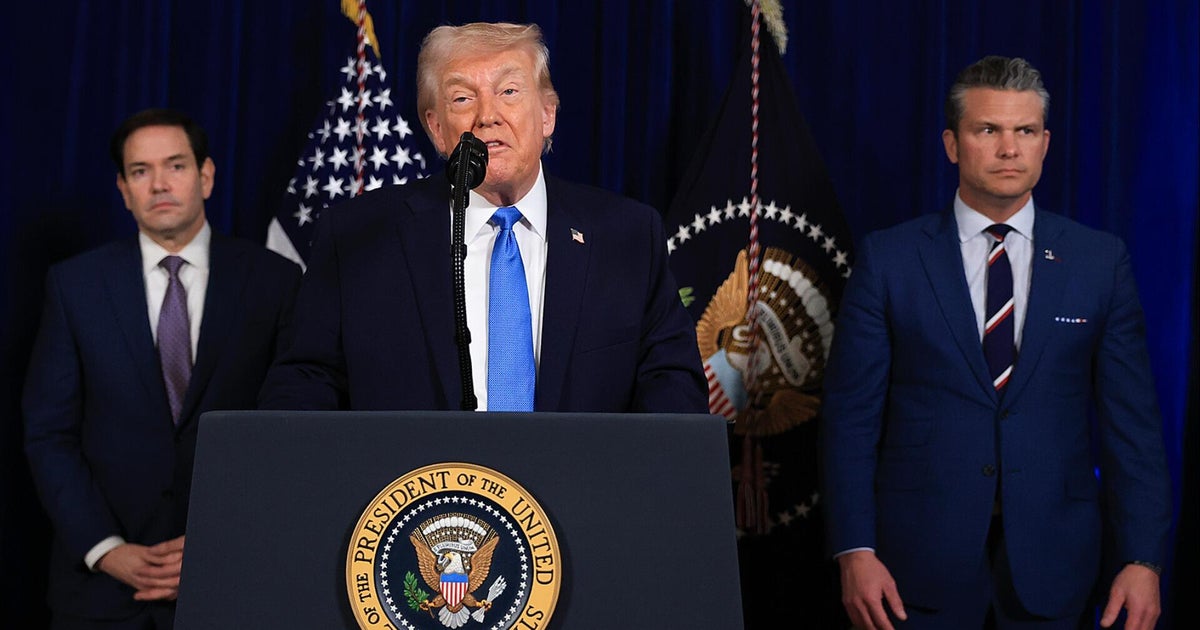
Donald Trump’s election was a very different story for another, much more volatile, investment class.
Backers of cryptocurrencies believed the new president would drive prices up. There was speculation that Bitcoin – then trading at about $US100,000 – would move through the $US150,000 mark.
But Bitcoin finishes the year around the $US87,000 mark, having tumbled from its October peak of $US124,700.
It’s not just Bitcoin that has suffered as investors have shunned more colourful investment opportunities due to concerns over American inflation. By some estimates, more than $US1 trillion in value was wiped from cryptocurrencies through the final three months of 2025.
The inopportune trade surplus with the United States
Australia produces very little platinum. But it is one of the world’s biggest gold producers.
The big lift in gold prices did something that had not happened since Harry Truman was in the White House – deliver Australia a trade surplus with the United States.
In January, February, March and then in July, gold was a key factor in Australia selling more goods and services to the US than buying them.
With Donald Trump attacking any nation that ran a trade surplus with the US (the penguins and seals of Heard and McDonald Islands at one point faced an American tariff hit), it could not have come at a worse time.
It hasn’t been helped by the drop-off in American tourism to Australia. There were almost 100,000 fewer visitors from the US over the past 12 months compared with the same period ahead of COVID.
American tourists aren’t getting as much value for their greenback, either.
A big global story has been the drop in the value of the United States dollar. The Australian dollar appreciated by 8 per cent against its US counterpart.
That might make it more enticing for prospective Australian tourists to check out Trump’s America – as long as they’re ready to hand over all their social media history.
The taxman cometh
Even Jim Chalmers could not believe the position Peter Dutton took ahead of the 2025 election. The Coalition went to voters opposed to Labor’s modest personal income tax cuts that start flowing from July 1 this year.
Loading
The tax cuts, which will be delivered over two years, were the one big surprise out of Chalmers’ March budget. Even more surprising was the Coalition’s opposition.
The budget is increasingly reliant on personal income tax collections. A combination of bracket creep, a strong jobs market and a tax system that gives more concessions to wealth and assets (particularly those held by older Australians) means the tax burden on ordinary workers is growing.
The mid-year budget update revealed that of all income taxes collected by the government – personal, company, superannuation, petroleum and fringe benefits – the share coming from workers is on track to hit 69 per cent by 2028-29.
Cost-of-living crisis? Try 1692 per cent inflation
The re-emergence of inflation pressures, both in Australia and around the world, caught pundits and central banks off guard.
Domestically, trying to track accurately price pressures across the economy was made more difficult by government energy subsidies.
Headline inflation, which had peaked at 7.8 per cent in late 2022, tumbled to 1.9 per cent by the middle of this year. But then came the end of various state and federal electricity subsidies.
While the federal government’s $75-a-quarter subsidy finally ended with the calendar year, the biggest impact occurred in Brisbane where the former Miles government’s $1000 came to an end in June.
That led to electricity inflation in Brisbane jumping by a mind-boggling 1692.5 per cent in July. A year earlier, it had been minus 93 per cent. By year’s end, Brisbane’s overall inflation rate was a nation-leading 5.2 per cent.
While electricity prices have been upended by government action, coffee prices have soared due to international factors. A global supply shortage due to poor weather in key growing areas has meant that anyone with a coffee (or chocolate) addiction has had to pay through the nose for their daily caffeine hit.
The single largest weekly purchase by Australian households is the fuel for their cars.
During 2025, Peter Dutton spent much of the election campaign visiting service stations and promising that a Coalition government would halve the fuel excise for 12 months.
But petrol prices were relatively stable. Even as Dutton was manhandling bowsers everywhere he went, petrol was actually cheaper than it had been a year earlier.
The Uncertainty Index
If you were confused by the economic events of the year, spare a thought for the Reserve Bank.
It started the year with its first interest rate cut since the start of the COVID pandemic amid signs that inflation was easing.
Despite three rate cuts, the bank finished the year with financial markets tipping it would start lifting interest rates in February.
Loading
In a sign of the economic rollercoaster faced by the bank, following Trump’s “liberation day” tariffs, it actually discussed a half percentage point rate cut to offset a global downturn.
Every three months, the bank issues its “statement on monetary policy”, which contains key forecasts as well as a general discussion of the economy’s outlook.
It was in the May iteration of that statement that the bank’s confusion – shared by the rest of the world – became clear. That one statement used the term “uncertain” on 132 occasions.
Never before had the bank been so unsure of the future.
A growing population – but more slowly
One of the most politically charged debates of the year has been population growth or, more specifically, net overseas migration.
Australia has increasingly relied on migrants to grow the population, fill specialised and non-skilled jobs while international students had become the cash cows of the nation’s universities.
But the post-COVID surge in migration, on top of a lift in house prices (which picked up as soon as the Reserve Bank started cutting interest rates), combined to give the debate over immigration a sharp political edge through 2025.
Since the international border was reopened in early 2022, net overseas migration has added almost 1.5 million residents to the country.
Some of the surge was due to the two-year closure of the international border. In particular, students who had not been able to get into the country flooded back (and provided much-needed staff to the nation’s cafes and restaurants).
That pushed net overseas migration to a record 555,000 in late 2023.
It has eased since then, so much so that the government’s own budget estimates for the 2024-25 overestimated net overseas migration by 30,000.