3 months ago
25
3 months ago
25

How we travellers love tales of disastrous events and encounters with difficult locals. And certainly, we face many classic challenges while on the road, from dealing with dodgy taxi drivers to adapting to American tip culture.
But are locals always as unhelpful as we imagine, and are the challenges that hard? While the unknown or uncontrollable can cause stress, and travel’s difficulties will never disappear, there are always two useful ways you can deal with them.
One is to change the way you look at things: maybe you’re at fault, not the locals, or perhaps you could focus on the positives. The other is to take practical steps to mitigate the impact of travel’s big asks. Here’s how.
GETTING SERVED BY FRENCH WAITERS
Sign up for the Traveller newsletter
The latest travel news, tips and inspiration delivered to your inbox. Sign up now.
The hard ask
Grumpy service, or getting any service at all, is the bane of travellers, and not just in France. But the real problem – outside tourist traps – might be cultural confusion and different professional standards.
The strategy
You must arrive with a bonjour or bonsoir to generate goodwill. French meals aren’t rushed, so impatience is your failing, not the waiter’s doing. Also, waiters aren’t expected to chit-chat but to serve politely, efficiently and discreetly. They aren’t aloof; they’re leaving you in peace. Smiles are for the inane. With no hustling for tips, waiters might bring your food without speaking, and they won’t bring the bill unless you ask. Sometimes travellers need to change the way they see things, and relax into their better understanding.
One more thing
Don’t think you can outwit a French sommelier. The best-quality French wines don’t list grape variety or wine region and come from so many small vineyards that you’ll seldom encounter the same one twice. Ask for advice, and you’re more likely to get the type of wine you enjoy. See france.fr
NAVIGATING AIRPORT SECURITY
The hard ask
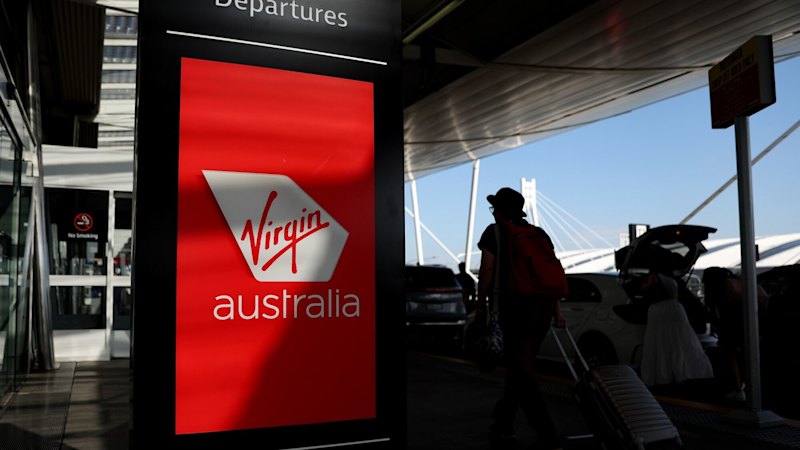
Impatience, uncertainty, high stress levels, the fear of dropping your passport: something about security screening makes us sweat and fret and, short of never leaving Australia, we can’t avoid it.
The strategy
Arrive in good time and cultivate your Zen. Ask yourself what you really need on an aeroplane – not much – and stash the rest in your suitcase. The carry-on cult is absurd. Have items like electronics and liquids in outer pockets of your bag, jewellery and coins already tucked away, belts off ready to sling into the tray. Move along promptly. Left hand lanes are usually shorter because right-handed people (the majority) tend to veer right. Those with true security angst can pay for precheck or fast-track lanes, or become celebrities.
One more thing
Dress for success, even if it means sacrificing style: scouts aren’t looking out for the next top model in airports. Slip-on shoes, elasticated pants with no belt, reduced layers and jackets without metal studs make life easier. Zips beat buttons. As a bonus, you’ll be more comfortable on the aircraft, too. See smartraveller.gov.au
CROSSING THE ROAD IN VIETNAM
The hard ask
Millions of buzzing motorbikes, an economic boom that produces ever more cars plus a generous disregard for traffic rules make stepping off the kerb seem like a reckless dare, and getting to the far side mission impossible.
The strategy
Crossing the road isn’t hard if you’re as calm and committed as a warrior monk. Gauge the traffic flows and wait for buses to pass by because they restrict visibility. A horizontally raised arm might give you more courage. Then step out and walk in a straight line at a steady but middling speed. Local drivers expect confident pedestrians, so you’re more likely to get run over if you hesitate, freeze, dart or swerve. Never turn back. If you need guidance, follow right behind a senior. The flood of motorbikes will part like the Red Sea for Moses.
One more thing
Never assume. Red lights might be ignored. Motorcyclists zip against the flow. Even in the most law-abiding countries (hello, Switzerland) drivers mightn’t stop at crossings. And always look both ways because it never hurts to check. See vietnam.travel
WORKING YOUR WAY THROUGH AN ENDLESS CHINESE MENU
The hard ask
Understanding a vast Chinese menu can seem as challenging as decoding Daoist utterances (“Ruling a large kingdom is like cooking a small fish”). The names of dishes such as Pockmarked Grandma’s Tofu and Ants Climbing a Tree don’t sound appealing.
The strategy
First, point your translation app at the wall, where daily specials are often posted. In menus, signature and regional dishes are listed near the front and the rest are then arranged by ingredient or cooking method. Balance is key – spicy and bland, meat and vegetable, heavy and light, hot dishes and cold, stir-frying and steaming – so find one appealing dish from each section. And take the risk with poetically named dishes such as Buddha Jumps Over a Wall or Dragon and Phoenix Admiring the Moon, which will leave you (and your translation app) baffled but your palate happy.
One more thing
Chinese meals require multiple dishes, which means you’d best dine in a sociable group if you can. Let one (Chinese, or at least informed) person do the ordering, as is the custom, since individual picks won’t produce a balanced meal. See travelchina.org.cn
TACKLING LANGUAGE BARRIERS
The hard ask
Since the unfortunate Tower of Babel episode, languages have proliferated and even dialects of English can be challenging – good luck in Appalachia or Orkney. The inability to communicate is one of travel’s biggest struggles.
The strategy
Actually, puzzling over languages and exotic scripts is one of travel’s biggest pleasures, and you don’t need fluency to have a great time. Channel Marcel Marceau. Patience, friendliness, hand signals and a few key phrases get you a long way. Good old pen and paper works wonders. Young people, who are most likely to speak English, can be commandeered. Or you could go straight to technology, although it isn’t as fun. Google Translate is useful, and its Conversation Mode provides instant (though not always accurate) interpretation. Google Lens and other apps will translate any writing you point your phone at.
One more thing
Australians aren’t renowned for clear enunciation and most foreigners are unfamiliar with our accent. Slow your speech (though not to patronising levels) and avoid slang; shorten sentences and simplify vocabulary. You don’t need to ask for an azure cocktail frock rather than a blue dress.
STAYING AWAKE TO DINE AT A RESTAURANT IN SPAIN
The hard ask
Only terrible tourist restaurants open before nine or 10 o’clock in Spain and elsewhere in the Mediterranean, as well as in South America. Starving visitors from early eating cultures have to stagger on until the witching hour before satisfying their growling stomachs. Even a Spanish government minister has called Spain’s late-night dining madness.
The strategy
You could simply adjust your habits, although that’s a big ask for the tired and hungry – although if you’re awake with jet lag at two in the morning, lively dining opportunities await. Otherwise, take advantage of the reasonably priced, usually three-course menu del dia offered in restaurants at lunchtime, which can run until mid-afternoon. Even for the Spanish, lunch is the main event. As a bonus, classical dishes usually feature. You won’t need much more after that, except choice morsels from tapas bars, which open much earlier than restaurants.
One more thing
Like a camel with a hump, you could also take advantage and stock up on a second breakfast at around 10am, when many office workers (and families at weekends) hit the cafés for a restorative coffee and some churros, tortilla, sandwiches or bread with tomato. See spain.info
DRIVING IN ITALY
The hard ask
You imagine buzzing around Rome or through olive groves on a red Vespa, movie starlet clinging on behind. You find yourself in a rental car on the wrong side of the road, your partner screaming directions while impatient Italians hurtle and honk.
The strategy
Don’t worry about stereotypes because the Italians (and French and Greeks) have been tamed by red-light and speed cameras. Be aware, however, that indicators aren’t always used and sudden swerves and lane changes are common, so keep your distance. Don’t decelerate too suddenly because tailgating is an art form. Ignore the honking, which is mainly operatic. Your main problem isn’t drivers but road conditions, since potholes, cracks and bumps appear even on motorways. Keep a careful eye out, don’t drive too fast, and you’ll be right.
One more thing
If you’re driving anywhere in Europe, stay in hotels or find visitor carparks just beyond old towns to avoid one-way systems, narrow streets, dead ends, minuscule parking spaces and slippery cobblestones. Besides, many old towns have restricted, camera-monitored zones (marked ZTL in Italy) in which you can easily cop a fine. See italia.it
MANAGING OVER-TOURISTED ATTRACTIONS
The hard ask
Too many people squeezed like toothpaste into famous sites, or clogging up whole cities like migrating wildebeest. But is the problem really overtourism, or just tourist concentration and tourism mismanagement?
The strategy
Don’t be a sheep. Step to the side – a few streets over in Venice, a few rooms away in the British Museum – and you’ll wonder what the fuss is about. Change your mindset: do you need to ascend the Eiffel Tower, or can you enjoy the view from Sacré-Coeur Basilica instead? Bucket lists aren’t always the best experience. Be aware that even super-popular places such as Spain’s Alhambra have quieter but worthy corners (the Palace of Charles V). Finally, consider visiting in the early morning and evenings, or pay to join an after-hours tour.
One more thing
Many of the most popular attractions have website tabs that inform you of current queue lengths and the most popular times and days of the week for visitors, so use that information to your advantage. You may also want to consider the season, and you should certainly avoid school and national holidays.
COPING WITH SEASICKNESS
The hard ask
Seasickness is often cited as the most off-putting thing about cruising, with good cause. Nobody wants to varnish the ship’s exterior with “the excremental ebullition of my tumultuous stomach” as 16th century traveller Thomas Coryat memorably put it.
The strategy
Pick larger ships, and newer ones more likely to have stabilising technologies. Choose itineraries with close-together ports that avoid open seas, and fly across notoriously rough waters such as the Tasman Sea or Drake Passage. Pitching is reduced midship and rolling on lower levels, so choose your cabin accordingly. Queasiness is helped if you get fresh air, gaze at the horizon, keep your head still on a pillow or chair back, and avoid reading, phone screens and alcohol. Ginger and carbonated drinks help. More serious seasickness can be dealt with by medication.
One more thing
While some cruisers swear by acupressure bands on the wrist, no scientific evidence shows these are effective, and some research demonstrates placebos produce better results. You might as well just lie down and hope for calmer times. See traveldoctor.com.au
REACTING TO HAWKERS IN EGYPT
The hard ask
Shoals of vendors – just as persistent in Morocco, India or on Bali’s beaches – offering you King Tut masks, Cleopatra watches and felucca rides. Worse than being chased by reanimated cinematographic mummies.
The strategy
If you don’t want to buy, then don’t look at hawkers or their goods, don’t take “gifts”, and keep walking. If you prevaricate or say no without confidence, you’re fair game. If hawkers persist after a polite no, best ignore them completely; further interaction might seem like a haggling ploy. Be honest: don’t say you’ll think about it, or that you don’t have your wallet, which only encourages persistence. If you are interested, be prepared to haggle, starting at half the asking price with an expectation of meeting in the middle.
One more thing
Learn to walk in other people’s shoes (or bargain-priced thongs). You’ll be less agitated if you appreciate that hawkers are only trying to scratch a living, and that haggling is a cultural expectation and not (necessarily) designed to trick or stress you. Encounters with hawkers offer a chance to talk, so enjoy the ritual. See experienceegypt.eg
DEALING WITH CROWDS IN INDIA
The hard ask
We aren’t accustomed to the constant crowds and hubbub common (but hardly ubiquitous) in India, China, Mexico and many other places. At best, it gets exhausting, at worst it feels intimidating.
The strategy
Change your mindset. See crowds as a chance to stickybeak, interact and enjoy cultural experiences. Learn to accept rather than resist, and acknowledge that anxiety is caused by unfamiliarity rather than numbers – you’ve probably been relaxed in big crowds in Australia. Also, realise that the closer personal proximity of Indians is a cultural difference, not a threat. On a practical level, be aware that Fridays, full moons and certain lunar days are considered auspicious: Hindu temples will be crowded. Tourist sites are busiest mid-morning and early afternoon. If you really aren’t good in crowds, an escorted tour provides a protective shell.
One more thing
Crowd fatigue is real, so schedule downtime in quiet spaces – whether a garden, a cafe or at your hotel – to avoid burnout. Consider hotels away from downtown zones. Put days in the countryside onto your schedule. Finally, book tickets online if you can to avoid queueing hassles. See incredibleindia.gov.in
WHERE IT’S NOT SO HARD AT ALL
Queuing in Britain
While “queueing” in many nations involves sharp elbows and Hunger Games tactics, in Britain, the formation of orderly lines ranks with stiff upper lips and soccer hooliganism as an ingrained cultural trait. Queue jumpers are sent to the Tower of London. Observe personal space, shuffle slowly and chat about the weather. Simple. See visitbritain.com
Tipping in Japan
Australians needn’t fret over the when, how much and what-the-heck of tipping in Japan, where it barely exists, although exceptions may be made for personal guides and ryokan attendants. Many Japanese find receiving tips awkward or even offensive. Waiters might chase you, assuming you’ve forgotten your change. See japan.travel
Fumbling with foreign currencies in Europe
You could have a far-ranging holiday on this continent and only need a single currency. In January, Bulgaria became the 21st European Union country to adopt the euro, which is also used by the four European microstates and (unofficially) Montenegro and Kosovo. The euro is also widely accepted by tourism businesses in Switzerland. See visiteurope.com
Choosing street food in Singapore
No worries over hygiene or freshness standards, no rip-offs, and no puzzling over what might come out of the pot or wok in hawker centres. You can eye up other diner’s choices, watch the cooks at work, or select your meal based on photographs of the dishes on offer, with prices clearly displayed. Tuck in. See visitsingapore.com
Dodging crime in Iceland
If bombings, shootings and riots in the news make you nervous, get yourself to Iceland, which, according to the World Population Review, is currently the world’s safest country. The worst you’ll face is Iceland’s infamous fermented shark delicacy. Looking for more niceness? Ireland ranks second. See visiticeland.com
FIVE MORE HARD ASKS ABROAD
Avoiding scams and theft attempts
Trust your instincts, don’t make hasty decisions under pressure, and keep valuables secure. Familiarise yourself with the currency, the exchange rate and the cost of living to prevent overcharging or wrong-changing. Don’t agree to any service (dining, massages, bar drinks) unless you’ve confirmed a price. And be wary if approached or distracted in the street.
Eating spicy food
Destinations such as Thailand, South Korea, Mexico and parts of China and India leave you wishing you had an asbestos tongue. Build up some tolerance to chilli before travelling, then start with less-spicy dishes. Starchy food, milk-based products, acids such as lime juice or tomato-based sauces, and cooling ingredients such as avocado and cucumber are your allies. Gulping water spreads the burn.
Surviving high altitudes
Mountain sickness can be serious in destinations such as Nepal, Tibet, Bolivia and Peru, especially as most Australians live at sea level. Susceptibility has nothing to do with age or fitness. Ascend gradually or spend a day at intermediate elevation. Avoid heavy exercise and alcohol. Some medicines are also available. If you have severe symptoms, return as soon as possible to lower elevations.
Avoiding monkeys
The macaques of South-East Asia, India, Sri Lanka, Gibraltar and elsewhere aren’t your friends. They can become aggressive, and they will steal anything that interests them. Don’t carry food and keep sunnies and phones secured. Don’t make eye contact or smile, which for macaques is considered a threat. Keep your distance and avoid sudden moves or noise. Monkeys are used to local indifference, not excited tourists.
Travelling in expensive destinations
Research is key. Even the world’s most expensive countries or cities have cheap(er) options, such as moderately priced neighbourhoods and free museums and other sights. Eat your main meal at lunchtime, or consider budget dining options such as French brasseries or department-store restaurants in Switzerland. You’ll get far cheaper accommodation (and more local life) if you take short train rides into suburbia.