3 months ago
23
3 months ago
23
The Coalition is gearing up to block anti-vilification laws in response to the Bondi massacre as Labor prepares to speed the bill through parliament next week with the support of the Greens.
Senior Liberal MPs have started contacting Jewish community leaders to explain their rationale for opposing the hate speech and extremism crackdown, which many Liberal and National MPs believe goes too far in limiting expression to protect minorities such as Jewish Australians.
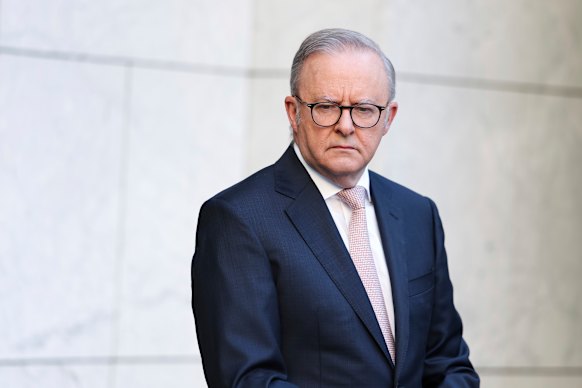
Prime Minister Anthony Albanese is ready to work with the Greens if the Coalition opposes the bill. Credit: Alex Ellinghausen
Opposition Leader Sussan Ley repeatedly called for Labor to come back to parliament before Christmas to pass emergency laws, and some of her colleagues are worried that the opposition would appear hypocritical and unconstructive if they rejected Labor’s emergency legislation.
The Coalition demanded parliament return early to pass counter-terror laws, enact the antisemitism envoy’s plan and toughen visa rules, but neither Ley nor any of her colleagues called for gun restrictions or anti-vilification laws that extended to the promotion of racial hatred.
Loading
But a groundswell of MPs from the moderate and conservative wings privately fear that the attempt to outlaw promotion of hatred is too broad and will have a chilling effect on public debate. Media companies and citizens have only a narrow set of defences to avoid being charged, under the draft legislation.
Top Liberal MPs, speaking on the condition of anonymity because the shadow cabinet has not met, said they would spend the next few days working on amendments to the bill ahead of an emergency two-day parliamentary session next week.
But they acknowledged amendments would probably not be accepted by Labor and may not be sufficient to address free speech doubts, making it increasingly likely the Coalition would vote against the bill and leave the government to work with the Greens.
Among the MPs with concerns include Victorians James Paterson and Tim Wilson, both of whom have been free speech advocates earlier in their careers, frontbenchers Angus Taylor, Jonno Duniam and right-wingers Andrew Hastie, Michaelia Cash, Ben Small and Garth Hamilton.
Hastie announced on Wednesday he would vote against the bill because it impinged freedom of expression and religion, arguing the prime minister had shown contempt to parliamentary scrutiny by rushing the bill into parliament.
“This bill is an attack on our basic democratic freedoms,” he said.
The MPs say Labor’s beefed-up incitement laws passed last year have barely been tested and so the case for a much lower threshold around promotion of hatred was weak, though Labor will argue that only by banning the promotion of violence could Islamic hate preachers be captured.
Shadow cabinet will probably meet on Sunday but backbenchers will debate the bill before then.
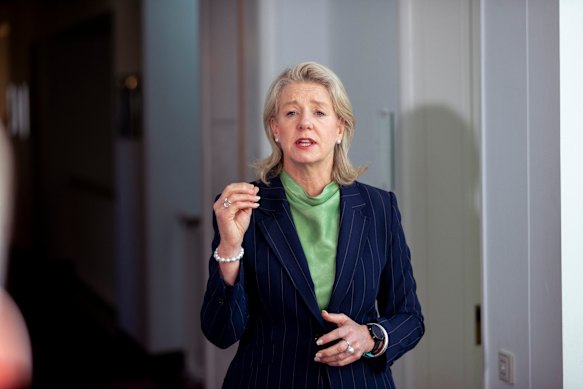
Nationals senator Bridget McKenzie.Credit: Dominic Lorrimer
On the Labor side, a senior government source said Albanese was happy to work with the Greens to pass the bill.
The Nationals reject some proposed sections of the bill restricting gun ownership, even though farmers are exempted from many of the limitations.
Nationals Senate leader Bridget McKenzie said the government had crafted its bill as a distraction from its failure to tackle antisemitism and the gun reforms in particular were designed to appease Muslim constituents in western Sydney.
“Law-abiding firearm owners I have spoken to have grave concerns with Labor’s legislation as law-abiding Australian citizens are wrapped up in the same bill as Islamic hate preachers,” McKenzie told this masthead.
“Firearm owners are subject to strict state gun laws already and are furious that the prime minister continues to blame the gun for Islamic terrorism now onshore.”
The free speech concerns were not shared by hawkish former Home Affairs Department secretary Mike Pezzulo.
Pezzullo, who was sacked for inappropriate behaviour reported by this masthead in 2023, said the hate speech laws probably should have been brought in after a group of men chanted antisemitic language outside the Opera House the day after Hamas’ October 7 attacks.
“[This is] the most consequential change in this area of law since 9/11,” he told a parliamentary inquiry into the laws.“It’s absolutely the right thing to do.”
Labor senator Raf Ciccone, who is chairing a parliamentary inquiry into the bill, said the Coalition was unable to form a coherent response to the proposed legislation because of its internal divisions.
“Unfortunately, there are politics being played out that I see in the media, not because of this bill, but because of their own other internal politics,” Ciccone said.
Loading
“On one hand, we [the government] get criticised for not doing enough, or wanting to recall parliament by the end of last year. And now that the parliament has been recalled, we get criticised.”
The Greens have argued the limiting of hate speech protections to race is inappropriate, saying it should be extended to all protected groups. They have also expressed concern over the public’s ability to criticise “the actions of foreign governments” under the reforms.
Greens MPs are deliberating their position after leader Larissa Waters spoke with Albanese on Monday afternoon. Sources within the party said a position had not been reached, but MPs were comforted by the government’s perceived willingness to extend the laws after next week’s bill passes.
Cut through the noise of federal politics with news, views and expert analysis. Subscribers can sign up to our weekly Inside Politics newsletter.
Most Viewed in Politics
Loading