3 months ago
27
3 months ago
27

February 1, 2026 — 5:00am
So-called “sovereign citizens” are causing growing delays to the justice system by using bizarre, aggressive tactics to contest minor offences without legal basis.
They often file masses of paperwork, represent themselves, argue they’re immune from the law, protest against judges’ authority and appeal convictions based on nonsense “pseudo-law” arguments, all of which jam up already congested courts.
In some more bizarre hearings, they have tried to empanel their own juries, used Bible passages as evidence and claimed official courts are illegitimate to a fictitious “Court of Terra Australis”.
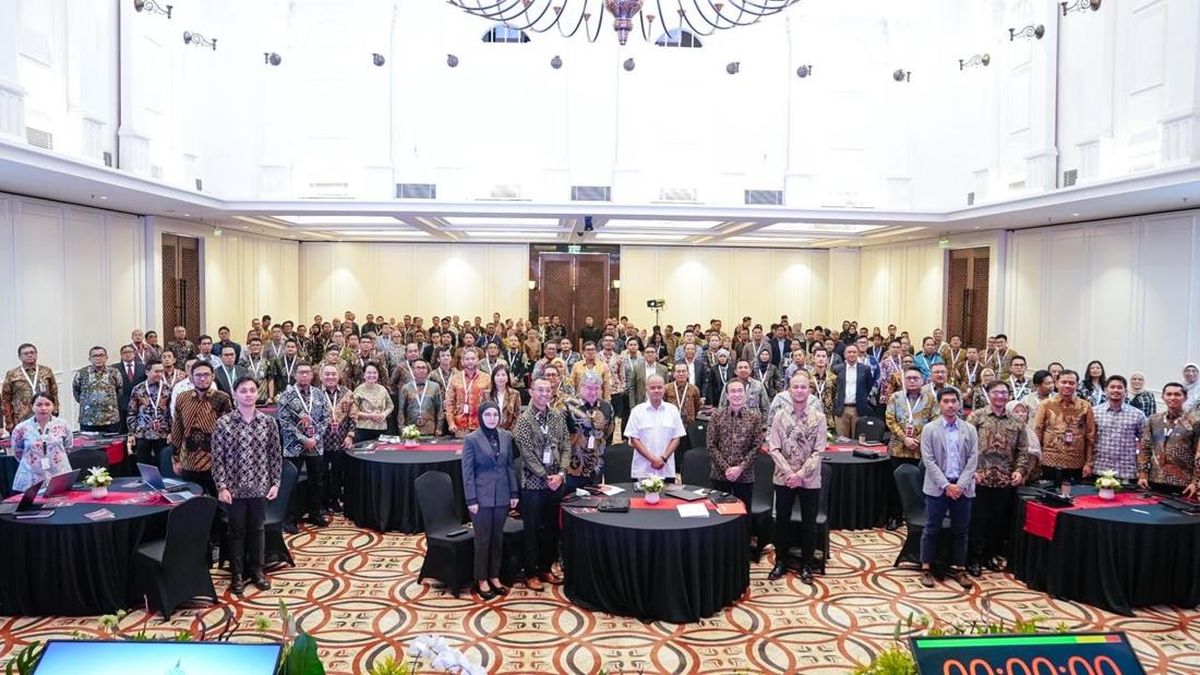
It has become a frequent topic at legal conventions across the country as judges receive formal training on how to best deal with the members of the anti-authority movement, which also poses an increasing safety risk.
“The still small but growing number of sovereign citizens who engage with the Australian judicature are an added source of pressure,” High Court Chief Justice Stephen Gageler told the Australian Legal Convention last month.
Sovereign citizens, who prefer to self-identify as part of the “freedom movement”, often face court accused of speeding, unlicensed driving, refusing to take a roadside drug or alcohol test, tax evasion, failing to repay a mortgage or squatting, court documents reveal.
David Helipern, a former magistrate who worked at rural courts in NSW, often came across self-described sovereign citizens. He was tasked with hearing dozens of cases every day, and dealing with sovereign citizens would always delay other matters.
“You get one sovereign citizen and your whole day goes to shit,” said Helipern, now dean of law at Southern Cross University.
Although each case is unique, “behind every one of these stories is some feeling of persecution”, he said.
Accused police murderer Dezi Freeman’s long and vexatious history in the courts provides insight into how sovereign citizens harm the justice system.
Freeman has still not been found more than 100 days after allegedly shooting dead two police officers and seriously wounding a third in Porepunkah, 300 kilometres north-east of Melbourne.
Before he became the subject of one of Australia’s largest ever manhunts, Freeman frequently confronted officials in court. In September 2020, he was pulled over by police in Bright and was charged with refusing to take a roadside drug test and speeding.
Most of the time, these charges would result in fines, usually no more than $1000, and be heard briefly by a Magistrates’ Court.
But Freeman ferociously fought the charges over four years, appealing convictions to the County Court and eventually the Supreme Court of Victoria, each time representing himself.
According to court documents, Freeman argued the police – who he called “frigging Nazis” and “terrorist thugs” – were liars, that he was acting in self-defence and the law was invalid as it conflicted with his bodily autonomy and human rights.
In November 2024, Judge James Gorton systematically tore down Freeman’s pseudo-law arguments and found “there is no real prospect” that he could have succeeded. Freeman lost his driving licence for two years, and his relationship with the authorities worsened.
Freeman also frequently challenged speeding fines, and in 2019 urged police to arrest a magistrate for operating under “false authority” and committing treason, after appearing in court nearly a dozen times over a civil case involving a land dispute.
Barrister Erik Dober, the prosecutor during Freeman’s Supreme Court appeal, said the rise of sovereign citizens caused major delays to courts as lawyers and the judiciary were forced to take them seriously.
Dober declined to comment specifically on Freeman’s case, but said in the Court of Appeal written submissions were generally about 10 pages, but with sovereign citizens, it was closer to 100 pages of baseless argument.
“We [the legal fraternity] nonetheless feel the obligation to engage with the 100 pages, just in case on page 65 there is something that actually has legal merit,” Dober said.
“Every moment or every resource that’s deployed towards that sovereign citizen’s case, whether it’s their written argument or whether it’s in court, those are moments where the various other cases of other litigants aren’t being dealt with.”
In a 2023 case involving a different sovereign citizen in which Dober was prosecuting, then-Victorian Supreme Court judge John Dixon delivered a searing criticism of the movement.
“Busy judicial officers in the lower courts should not be troubled by such nonsense as is developed around the fatuous notions of … sovereign citizen,” he said.
A Supreme Court of Victoria spokesperson said the court did not keep data on sovereign citizens, but it “sees regular examples” of them.
“Access to the courts and the right to a fair and public hearing are central pillars of the rule of law,” they said.
“The law also recognises that the process of the courts is a public resource and should not be abused by individuals. Ensuring access while preventing abuse of processes is an ongoing challenge for courts, and we continue to be informed by work being done across Australia and internationally.”
Sovereign citizens commonly appear in the Melbourne Magistrates’ Court, where this masthead witnessed a speeding ticket case being challenged by someone with a “significant history” in court.
The sovereign citizen repeatedly asked the irritated magistrate: “Does this court operate under Commonwealth jurisdiction?”
The matter was adjourned, but not before the sovereign citizen said she would invoice the court for the time she spent representing herself.
To deal with a post-pandemic rise of sovereign citizens, the judiciary is being trained on how to deal with their impact on the courts.
NSW sheriff Tracey Hall manages security and facilitates training for court staff and the judiciary on how to identify sovereign citizens.
She uses court databases, police intelligence and highly skilled staff to identify risks and occasionally increase security when known sovereign citizens attend court.
One known NSW sovereign citizen Hall must deal with has been before courts more than 200 times.
“He tries to disrupt the court with bringing in a number of supporters to try and stand up a ‘flash jury’ sort of thing, similar to the concept of the flash mob dance groups, where supporters come into the courtroom and try and swear themselves in as jurors because he believes that everyone’s entitled to a jury by their peers,” Hall said.
At legal conventions, judges trade first-hand tips.
In a Judicial College of Victoria slideshow presentation, a leading Victorian judge and justice shared their advice on how to best deal with sovereign citizens.
Show courtesy and respect, be confident in asserting the law, and “don’t add fuel to the fire”, they recommended.