2 months ago
20
2 months ago
20
First home buyers could afford only one in 20 homes in NSW and one in 10 in Victoria, forcing buyers to make compromises on home size or location.
Households would need a higher income than five years ago to pay the home loan, new analysis from KPMG shows, as the outlook for housing affordability worsens.
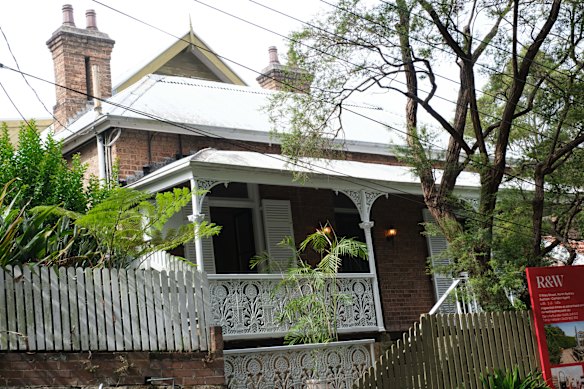
First home buyers are being priced out.Credit: Oscar Colman
In 2019-2020, 30 per cent of Australian homes were within the budget of an average first home buyer with an annual household income of $150,000. By 2024-2025, this had dropped to 12 per cent, even though the income needed to service a home loan has risen to $180,000, the research found.
Victorian first-time buyers could afford 15 per cent of homes five years ago, down to 10 per cent now. In NSW, the share of homes within reach held steady at 5 per cent, which the research house suggested meant the state had hit its unaffordability limit.
Affordability has plunged elsewhere, from 60 per cent in Queensland five years ago to 15 per cent now, and from 60 per cent to 25 per cent in Western Australia over the same time period.
KPMG urban economist Terry Rawnsley said trying to buy a first home was “a really challenging process”.
“There’s a cohort of people out there who might be going down the forever renter pathway,” he said.
“You’ve got other people who go, ‘I’ve got the money, but it’s going to be really hard for me to go out there and actually find that 5 or 10 per cent or 12 per cent of dwellings which I can actually afford.’ And there’ll be all sorts of compromises, whether it’s a growth area further away from your job, or a smaller apartment.
“There’s all sorts of flow-on effects about commute times or people not being able to have the number of children they were hoping for.”
The research comes ahead of the Reserve Bank’s last meeting of the year. After three rate cuts in 2025 to 3.6 per cent, which allowed buyers to borrow more money but also put upward pressure on property prices, further cuts are seen as unlikely.
Rawnsley modelled the share of affordable homes using the 2019-20 ABS Survey of Income and Housing, which asked first home buyers how much the property they bought was worth. The average purchase price then was $560,000, which Rawnsley said meant they likely had a $150,000 household income.
Since that survey was no longer available, he measured growth since then in first home buyer mortgage sizes, growth in the median house price, and a margin for the bank of mum and dad. He concluded the average first home buyer purchase price now is $760,000, and that buyer would need a household income of about $180,000 to service the loan.
“The fact that the NSW number hasn’t shifted for five years just reflects that the NSW housing market’s been ground zero for unaffordability for the past 10 or 20 years, so it’s got to the point where it hasn’t got any worse in NSW because it’s pretty hard for it to get any worse,” he said.
Loading
“The Sydney market is at a point where it’s incredibly tough, a one in 20 chance of finding a property you can afford with $180,000, so it’s going to keep pushing more young people out of Sydney.”
He said people have been increasingly priced out of Sydney to regional NSW or Queensland, although that was becoming more difficult as prices rise broadly.
Despite a recent flatlining in Melbourne’s housing market, buyers had a one in 10 chance of finding an affordable home.
“Even those [Melbourne] greenfield areas are heading up to that $800,000 mark so first home buyers are probably looking at older stock in the greenfields,” he said. “Or they’re going to the two-bedroom apartment housing stock in those middle-ring suburbs where they can get some value for money.”
Governments are trying to increase supply, but Rawnsley called for more homes within first home buyer budgets. For example, giving developers cash back on their infrastructure charges if they built some more smaller townhouses in greenfield areas, or allowing a few new apartments to be built slightly below existing design standards.
AMP chief economist Shane Oliver said the late 2010s unit building boom had started to help address housing affordability, and more units need to be built again.
“Zoning areas for more units, making it easier for builders and developers to get the job done,” he suggested. “Focusing on smaller homes rather than bigger homes, more townhouses, duplexes, those sorts of things. Modular, prefabricated forms of construction both for houses and units.”
“We should also on a longer-term basis look to decentralise away from our cities to regional centres and expand them, and working from home provides a way to do that.”
Most Viewed in Property
Loading