3 months ago
21
3 months ago
21
Expanded Victoria Police search powers will be challenged in the Federal Court as a breach of human rights after all of Melbourne CBD and surrounding suburbs were declared a “designated area” for six months.
Under the Weapons Control Act, officers can randomly search people or their cars without a warrant, or direct them to remove a mask in an area designated by police. Reform by the Allan government this year allows police to designate an area for six months at a time, up from just 12 hours.
It was announced in March as part of a crackdown on the rising incidence of knife crime.
Six-month powers are in force for the first time — covering Melbourne CBD, East Melbourne, the MCG, Shrine of Remembrance, Carlton Gardens, Southbank and South Melbourne — until May 29 next year.
However, the Human Rights Law Centre is challenging the police designation on behalf of Aboriginal activist Tarneen Onus Browne and environmentalist and anti-war protester Benny Zable.
The centre will argue it breaches the Victorian Charter of Human Rights and Responsibilities, which protects citizens’ rights to peaceful assembly, freedom from arbitrary arrest and detention, non-discrimination, privacy and freedom of expression.
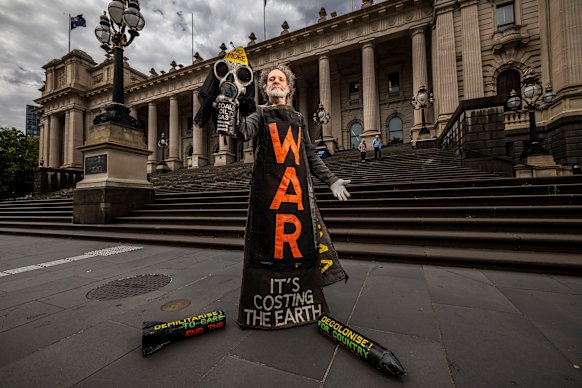
Benny Zable as ‘Greedozer’ on the steps of parliament.Credit: Wayne Taylor
The government, bringing the bill to parliament in March this year, acknowledged the reform was partially incompatible with the Charter.
The centre also argues that the power to direct someone to remove a face mask, at least at protests, is unconstitutional as it breaches the right to political communication.
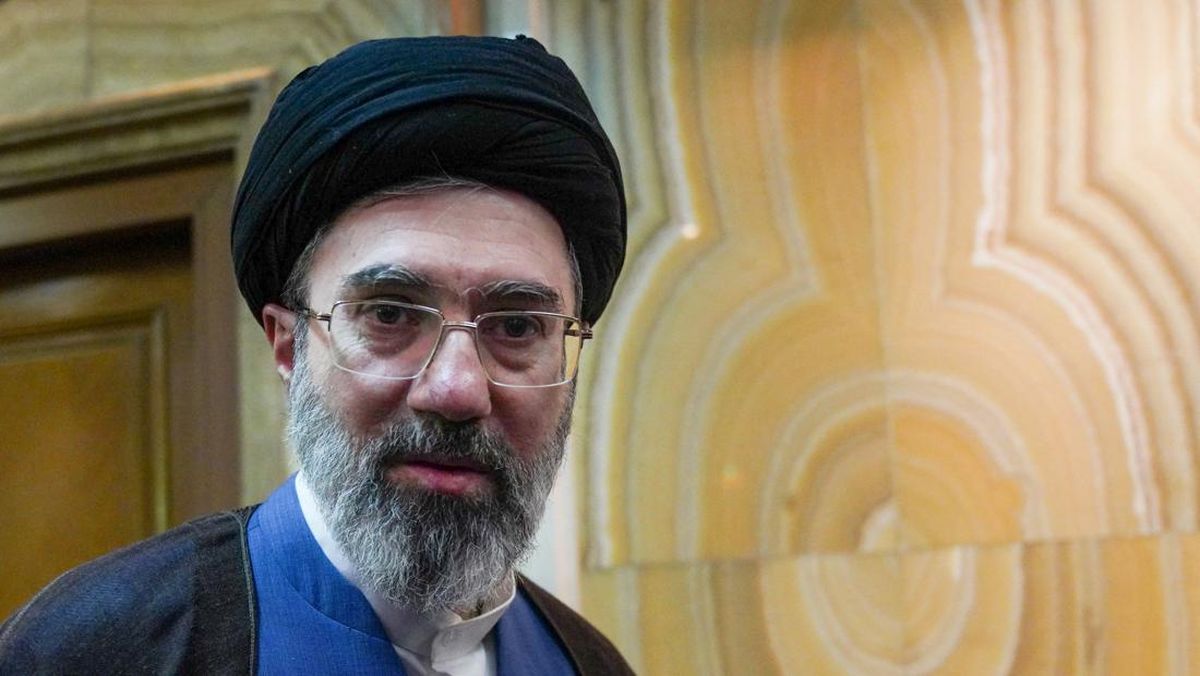
Zable, 80, has for decades worn his “Greedozer” costume as part of his protest.
“My costume is part of a long tradition of performance in protest which sparks people’s attention, curiosity and learning. I think protest and performance is a really important nonviolent way to create social change. For me, it’s about contributing to a culture of peace,” he said in a statement.
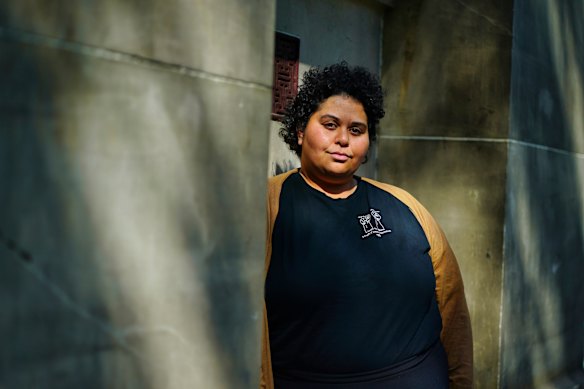
Tarneen Onus Browne in 2023.Credit: Luis Enrique Ascui
The Human Rights Law Centre hopes to have the designated area quashed in time for the Invasion Day rally on Australia Day.
Onus Browne, who is Gunditjmara, Yorta Yorta, Bindal and Meriam, from the Warriors of the Aboriginal Resistance, said the new police powers would deter First Nations people from exercising their right to protest.
“I’m bringing this case because I’m worried about the impact of these extra police powers not just on Blackfullas, but on anyone who comes into the CBD. This is about all of our basic human rights and safety in our city.”
“Every year we tell people to wear facemasks at Invasion Day to protect all of us from spreadable illnesses like COVID-19, especially disabled people and our Elders. Empowering police to order protesters to remove their facemasks endangers us all.”
Victoria Police, announcing the first use of the six-month powers last month, defended the designation and said the force had zero tolerance for racial profiling.
“These operations are an invaluable tool in assisting police with removing weapons from the streets, as knife crime in Victoria has risen.
“Our officers are well-trained to police in response to a person’s behaviour, not their background.
If you aren’t carrying a weapon, you don’t have anything to worry about.”
Loading
Police and protective services officers (PSOs) use wand searches and pat-downs within designated areas. Officers can direct someone to remove items of outer clothing, turn out their bags and pockets, or direct someone to leave the designated area if they do not comply with a direction to remove a mask.
There is no legal need to have any suspicion that the person has a weapon.
Two years of data obtained by Liberty Victoria revealed just over 1 per cent of the searches in designated areas resulted in any “objects or substances” being found.
The Centre for Racial Profiling Network, using FOI to examine all Victoria Police search powers where that data is recorded, found Aboriginal people were 11 times more likely to be searched than white people in 2023. People perceived to be African were six times more likely to be searched.
The Human Rights Law Centre was preparing to challenge the government’s plan to ban all masks at protests, before Premier Jacinta Allan conceded it could be unconstitutional. Instead, police will be able to direct someone to remove a mask at any protest where they believe the person is about to or has committed a crime.
Start the day with a summary of the day’s most important and interesting stories, analysis and insights. Sign up for our Morning Edition newsletter.
Most Viewed in Politics
Loading