3 months ago
6
3 months ago
6
“The first Test didn’t go to plan for them, but it’s such different conditions, Manuka Oval compared to the Gabba, two totally different surfaces,” Siddle told Fox Sports News.
“There’s not going to be a lot they can get out of it, other than maybe seeing a pink ball under lights, that’s probably the only benefit they’re going to get.”
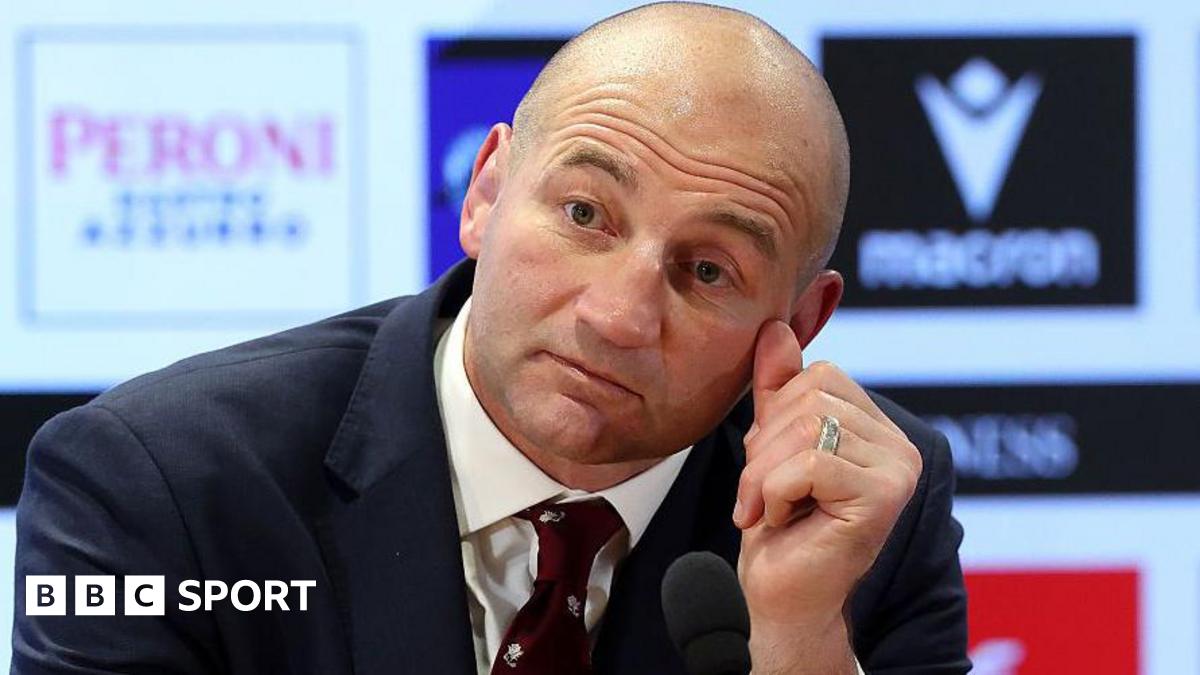
Coach Brendon McCullum has insisted keeping England’s squad together to ensure “camaraderie is tight and morale doesn’t drop” is his priority after a damaging first Test loss, a stance reiterated by Stokes in a tense post-play interview with former England quick and veteran BBC commentator Jonathan Agnew.
Either way, there’s no pretending England’s experience with the pink ball is anything but limited, which is nothing to say of how their all-or-nothing Bazballing ways will hold up under lights.
The first-choice England XI that played the first Test has played just 24 day-night games between them – for a 2-5 record.
Australia – by no means short of a selection quandary around Usman Khawaja, Pat Cummins and Nathan Lyon themselves – have played 89 combined pink-ball Tests. They’ve lost one from 14.
And Mitchell Starc has taken almost twice as many wickets with the pink ball (81 at 17) as any other bowler in the world.
The form line for England’s batsman against the left-arm maestro – who can prove nigh unplayable under lights – is anything but emphatic, particularly for Stokes. Particularly given Starc has now nabbed his wicket 11 times in Tests (second only to Ravichandran Ashwin, who he has dismissed 13 times).
The English all-rounder’s returns in day-night Tests fall away significantly with bat and ball, from his career averages of 35 and 31, respectively. In six pink-ball Tests, Stokes has scored 212 runs (19.27) and taken five wickets at 48.6.
Along with Joe Root, Ollie Pope, Crawley and Wood, the skipper is one of five survivors from two heavy day-night Tests losses at Adelaide and Hobart in 2021.
While Root boasts a century (136 against the West Indies in 2017) and averages 38 under lights, the already suspect records of Crawley and Pope dwindle further in day-night outings.
Crawley will come off a pair in Perth into a format where he averages 23, and Pope’s career Test mark of 35.4 shrinks to just 16 from four pink-ball games.
England’s last day-night Test – a 267-run thumping of New Zealand in early 2023 – was at least built on rapid-fire runs from Ben Duckett (84 from 68) and Harry Brook (89 from 81) in their only encounter with the pink ball.
For the English attack, aside from Stokes, Wood’s one game in 2021-22 is the only competitive experience they have with the pink Kookaburra ball.
His blistering second-innings 6-37 made a game of the fifth-Test dead rubber after Travis Head (who else?) bashed a near run-a-ball 101 rescued Australia from a first-dig collapse.
Loading
Otherwise, though, Jofra Archer’s five overs in a two-day, 10-wicket thrashing from India dominated by spin (Root himself pocketed 5-8 from six overs) is the sum of England’s pink-ball bowling know-how.
Even the English game’s dalliance with day-night games in the County Championship ended in 2018, where the pink Dukes ball was used.
After destroying the West Indies in July with the Dukes, Starc noted “the pink Kookaburra swings more ... the pink Dukes certainly seam more and for a longer period”.
Given the two-day affair in Perth that badly exposed both batting line-ups and cost Cricket Australia a not-so-small fortune in ticket sales, that is some relief.
The same can’t really be said for the tourists and the pink ball, though.
News, results and expert analysis from the weekend of sport sent every Monday. Sign up for our Sport newsletter.