3 months ago
30
3 months ago
30
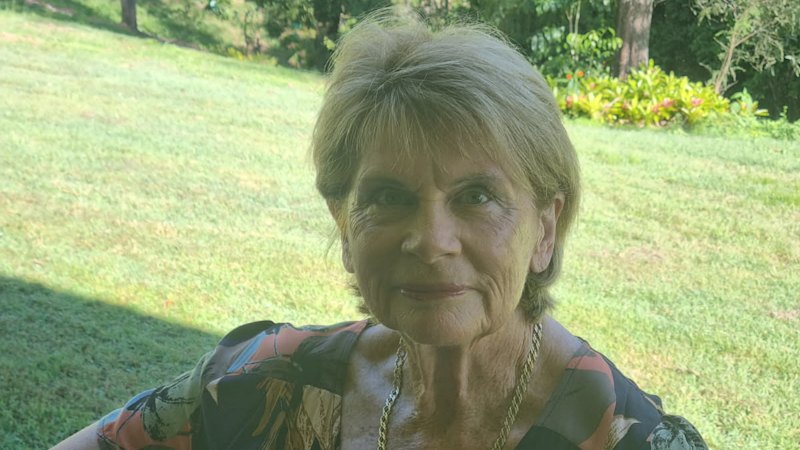
To say conditions in parts of Sudan are volatile is “a complete understatement”, says Shelley Cook.
“At the moment, it’s up there with Gaza.”
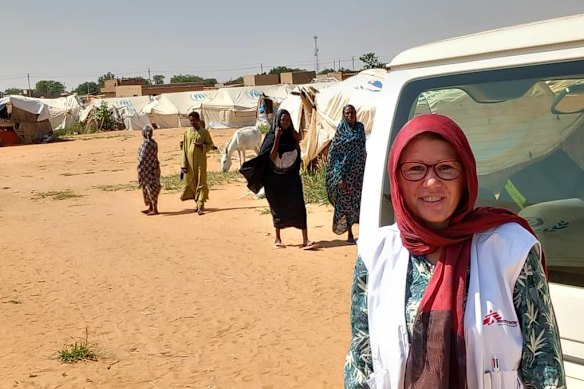
Shelley Cook, an aid worker with Medecins Sans Frontieres, in Sudan.
And yet in October, of her own free will, Cook headed to the north-eastern African nation to lead a medical team for the charity Medecins Sans Frontieres (MSF).
The trained nurse, who hails from Melbourne, and is part of The Age’s Living Abroad series that looks at Australians who spent time overseas in 2025, says she sees aid work as her way to make a difference.
“As I’ve gotten older, it’s more about, ‘I just can’t be in Australia, knowing that all of these things are happening across the world, and not play a role’. And donating money doesn’t feel like enough. So really the only other option, other than signing petitions and protesting, is to go and be actively part of the solution.”
A little over two months into her five-month stint, Cook leads a small team of doctors and nurses based in Kosti, in Sudan’s south.
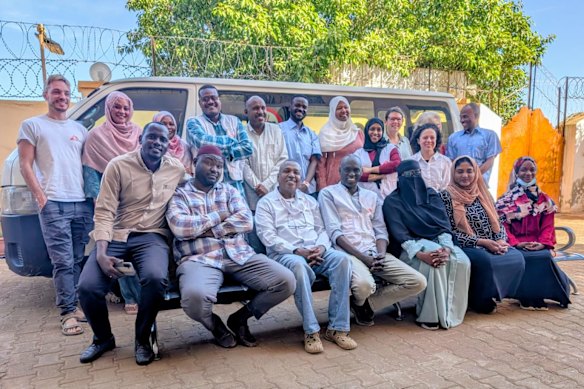
Shelley Cook, back row, third from right, wearing glasses, with her Medecins Sans Frontieres team in their compound in Kosti, Sudan.
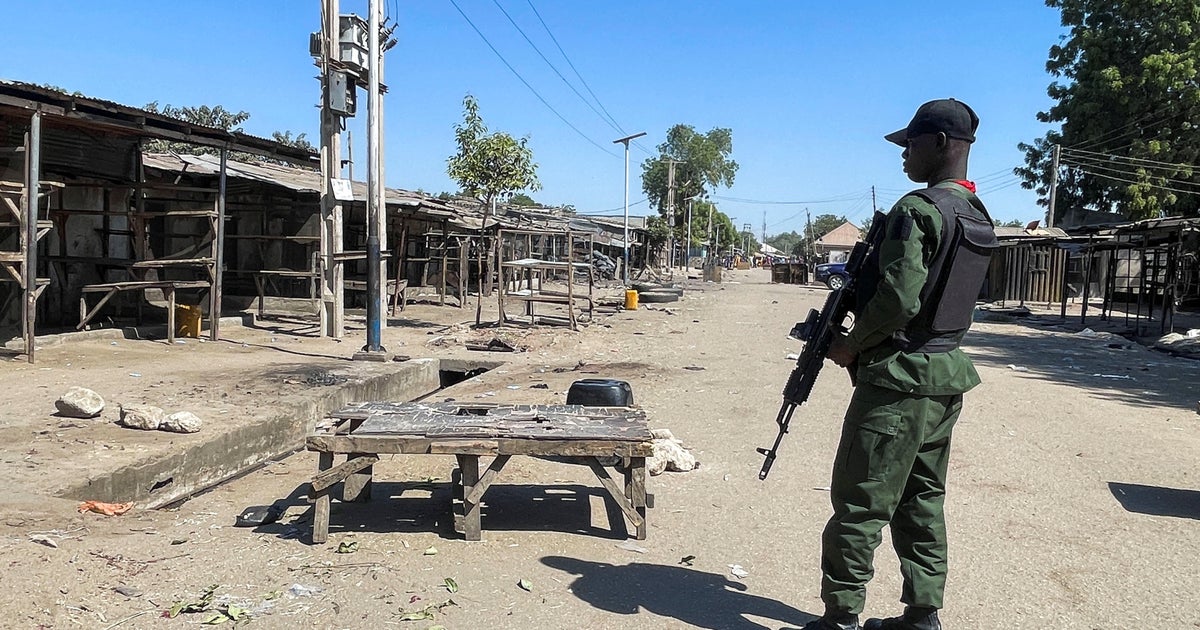
Before this posting, Cook spent six months of last year with MSF in Gwoza, Nigeria, near an area occupied by the armed group Boko Haram.
“There were armed groups on both sides of the town, trying to enter the town,” Cook said of the experience. “We heard shelling and gunfire every couple of days.”
The 49-year-old, who has also worked in Yemen, Palestine and South Sudan says despite the challenging environments, she feels for local staff rather than herself or other international MSF workers, “because we know we can leave”.
In November, Amnesty International said Sudan was facing the world’s biggest humanitarian crisis, with more than 150,000 people killed since April 2023, and MSF says more than 11 million people have been forced to flee their homes, as fighting between the Sudanese Armed Forces and the paramilitary Rapid Support Forces shows no signs of easing.
In Kosti, Cook lives in a combined house and office. Staff can only leave the compound in pairs, before 6pm, and temperatures usually sit at about 38 degrees. Her travel, accommodation and food are paid for, and she receives a monthly stipend.
On the ground, her team responds to disease and nutrition emergencies, sets up treatment units and supports hospitals to deal with issues such as outbreaks of measles, cholera, dengue fever, hepatitis E, and malaria.
She is also helping to train government staff in disease management and constructing cholera treatment centres.
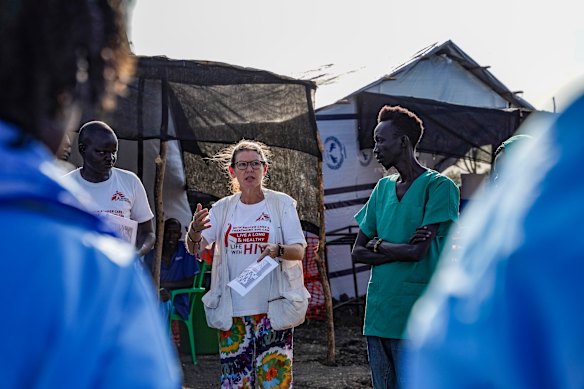
Shelley Cook in 2024 with staff at the MSF cholera treatment centre in Malakal, South Sudan.Credit: Paula Casado Aguirregabiria
Male colleagues will soon visit North Kordofan state, where there is escalating violence, to set up an emergency intervention targeting 200,000 internally displaced persons.
In August, back in Melbourne for two months, Cook spent time with loved ones, enjoyed some live music and was able to do some hiking.
However, while overseas, she has been able to experience a myriad of sights, people, cultures and wildlife.
In Nigeria, it was the lizards that amused her the most. “They stop, do push-ups then scurry off. It was very cute.”
Most Viewed in National
Loading