2 months ago
16
2 months ago
16
Dirty cooking utensils, rat droppings scattered through kitchens, and drinks contaminated with caustic soda are among the stomach-churning scenes uncovered during recent inspections of the state’s food businesses.
Sydney’s reputation as a world-class dining scene is being marred by new figures revealing a growing number of eateries are failing to meet basic safety standards, prompting calls for businesses to be required to display the inspection reports on their shopfronts.
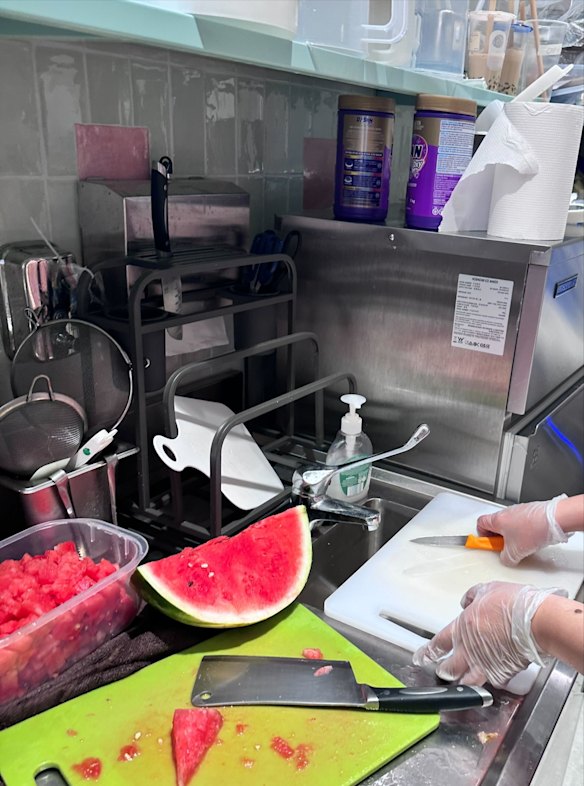
A photo of non-compliant handwashing facilities taken during an inspection by Willoughby Council this year.
Data released by the NSW Food Authority this month shows 949 infringement notices were issued to businesses for violating food standards in the 2024/25 financial year, up from 908 the previous year.
The authority also issued 8243 warning letters, up from 7458 the previous year, and complaints from members of the public about retail food businesses also increased from 6093 to 6258.
The most common breaches related to unclean food premises, improper food storage, poor handwashing facilities, unclean fixtures and poor pest control.
Haymarket’s The Eight had the most fines issued to an individual food outlet.
The Chinese restaurant received seven infringements for alleged offences, including failing to take practicable measures to eradicate and prevent the harbourage of pests, during inspections by the City of Sydney in January and February this year.
This masthead contacted the restaurant for comment about the fines but did not receive a response.
A public “name and shame” register, maintained by the NSW Food Authority, showed businesses in Blacktown City Council received the most penalties, with 33 food outlets fined since January.
It was followed by Chatswood (16 businesses), Lakemba (12 businesses), and Campbelltown and Mount Druitt (each with eight businesses).
On top of fines and warning notices, businesses suspected of serious breaches of the NSW Food Act can face prosecution by the NSW Food Authority. Four cases were finalised last financial year.
In September last year, the Fraternity Bowling and Recreation Club in Fairy Meadow was fined $29,500 in Wollongong Local Court for four offences, including the sale of unsafe food and non-compliant food handling practices, after two patrons were served drinks containing caustic soda.
In August this year, Penrith’s Roll’d outlet was convicted of 10 offences, including failing to take all practicable measures to prevent pests entering the premises, and failing to take all necessary steps to prevent the likelihood of food being contaminated. The Vietnamese fast food business was fined a total of $33,500.
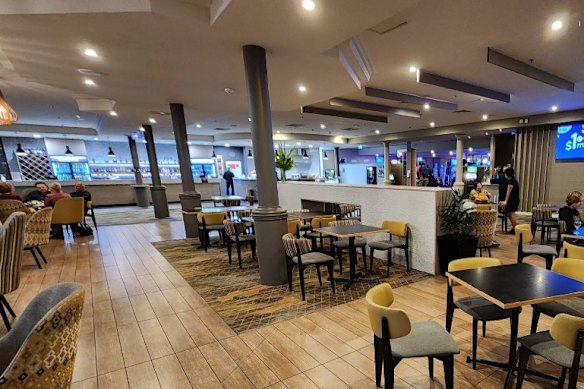
The Fraternity Bowling and Recreation Club in Fairy Meadow.
A City of Sydney Council spokeswoman said the most common breaches uncovered by its food inspectors this year related to inadequate protection of food from contamination, food contact surfaces not being kept sanitary, and handwashing facilities lacking warm water, soap or single-use towels.
In Hornsby Shire Council, one inspection identified potentially hazardous food stored outside temperature control, rodent droppings throughout the premises, and an accumulation of food waste, grease, grime and visible matter in food preparation areas.
Meanwhile, about 10 per cent of businesses inspected by Willoughby Council were found without a current food safety supervisor certificate.
University of Sydney food science senior lecturer Kim-Yen Phan-Thien said poor staff training and a lack of awareness of hygiene and safety protocols were driving the increase in breaches.
Phan-Thien said the food sector is “dominated” by small and medium enterprises, which may lack dedicated regulatory compliance staff.
“They also have a high rate of turnover, which means they operate under time, cost and resource pressures. And if they don’t have a robust training system, staff may be inadequately trained and supervised,” Phan-Thien said.
In its annual report, the NSW Food Authority noted that while there has been a 10.5 per cent increase in businesses issued warnings for failing to meet food standards over the past two financial years, the majority of the state’s food businesses are compliant.
Changes to the NSW Food Act this year increased the value of council fines for non-compliant businesses from $880 to $1980.
While the changes were designed to encourage businesses to adhere to food safety and hygiene protocols, 40 per cent of fines issued to businesses since the changes came into effect in September had received warnings for the same offences during previous council inspections.
Multiple councils have called on the state government to bolster regulations, with North Sydney Council suggesting a licensing system that would require businesses with repeated breaches of food standards to display prohibition orders or improvement notices on their shopfronts in a move to boost transparency and consumer awareness.
Hornsby Council is advocating for all eateries to have to take part in the state government’s “Scores on Doors” program, which involves businesses displaying the results of food inspections in their shopfront windows.
Just 62 of the state’s 128 councils currently make food businesses take part in the program.
Start the day with a summary of the day’s most important and interesting stories, analysis and insights. Sign up for our Morning Edition newsletter.
Most Viewed in Politics
Loading