3 months ago
26
3 months ago
26

Jim Chalmers says the government will crack down on fuel sector misconduct as petrol prices spike following the outbreak of war in the Middle East and Labor comes under attack for failing to shore up fuel supplies in regional Australia.
“We have doubled the fines [for false or misleading conduct],” the treasurer told Sunrise on Thursday.
“We’ve dramatically increased the surveillance of these suspicious price spikes that people are seeing in communities around Australia. And we’ve also empowered the ACCC to work closely with industry where there are shortages, particularly in regional areas.”
Petrol stations in Melbourne and Sydney began hiking prices in the days after the conflict began, despite experts and officials saying it would take at least seven days for price hikes to flow through to Australian bowsers.
Chalmers said price spikes would put inflationary pressure on the economy more broadly and implored providers not to use the conflict as an excuse to boost their own profits.
“My personal view is that we’re seeing some very suspicious price spikes in markets around the country. That’s obviously not on,” Chalmers told Sky News.
“The message to the retailers is … don’t take advantage of what’s happening in the Middle East. People are under pressure already, and we need them to do the right thing. And from our point of view, we’re certainly prepared to see the ACCC crack down hard on any behaviour that is unwarranted.”
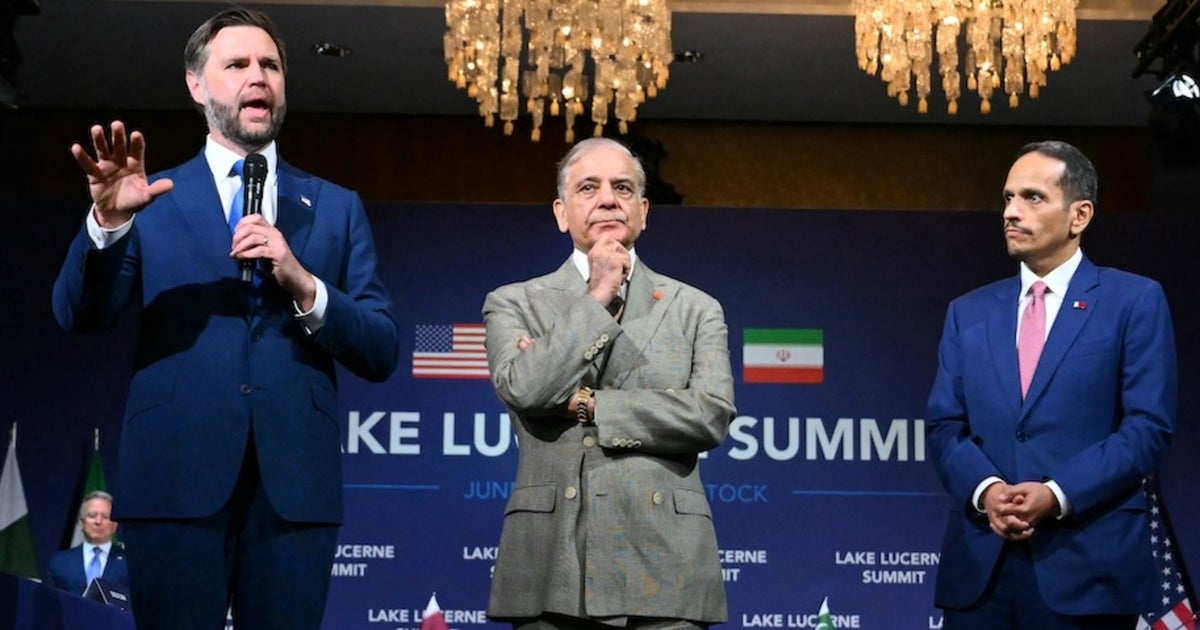
The US-Israeli attacks on Iran beginning late last month have sparked attacks on massive oil fields in the Middle East in retaliation. Iran has effectively closed the Strait of Hormuz, a major shipping lane through which about a fifth of global oil transits. Oil prices have fluctuated wildly, reaching almost as high as $US120 per barrel in recent days, but receding to about $92 on Thursday.
Fears have been growing over Australia’s fuel security despite Energy Minister Chris Bowen’s assurances that the nation was receiving as much oil as it had been before the war began. Bowen said jumps in demand due to panic buying had led to shortages at some rural petrol stations.
Chalmers said the ACCC would be looking closely at whether price jumps were fair and assured Australians that the country had enough fuel.
“Where there are issues in particular regional areas or different pockets of Australia, we’ll work closely with the industry and the ACCC to try and ensure supply to those areas,” he told Sky News.
“One of the things we’ve been speaking with the ACCC about is making sure that there are no restrictions on the fuel companies working together to fill these gaps.
“Because of the competition laws, they need exemptions to be able to work together to fill and meet these challenges in the supply chain.”
The International Energy Agency said on Wednesday that its members would release a record 400 million barrels from stockpiles they’ve set aside for emergencies, which Chalmers welcomed as a measure to ease global demand and put downward pressure on prices.
The government said it was also convening the National Coordination Mechanism to respond to emerging supply chain issues, the Trusted Information Sharing Network, and the National Oil Supplies Emergency Committee.
ACCC commissioner Anna Brakey said on Wednesday the organisation would convene an emergency meeting with industry “to explain their actions during this period of volatility”.
“The petrol industry should be under no illusions. We will act decisively and to the fullest extent of the law,” she said in a statement.
Cut through the noise of federal politics with news, views and expert analysis. Subscribers can sign up to our weekly Inside Politics newsletter.