
 4 months ago
75
4 months ago
75
We have to begin with the book.
We have to start there because, first, an effort today to understand Ben Shewry has to be an effort to understand the paths taken and not taken that led the golden boy of Australian food to drop an atom bomb on the entire food-media complex.
Second, because it’s all anyone wants to talk about. “I mean … have you read it?” says one food journalist.
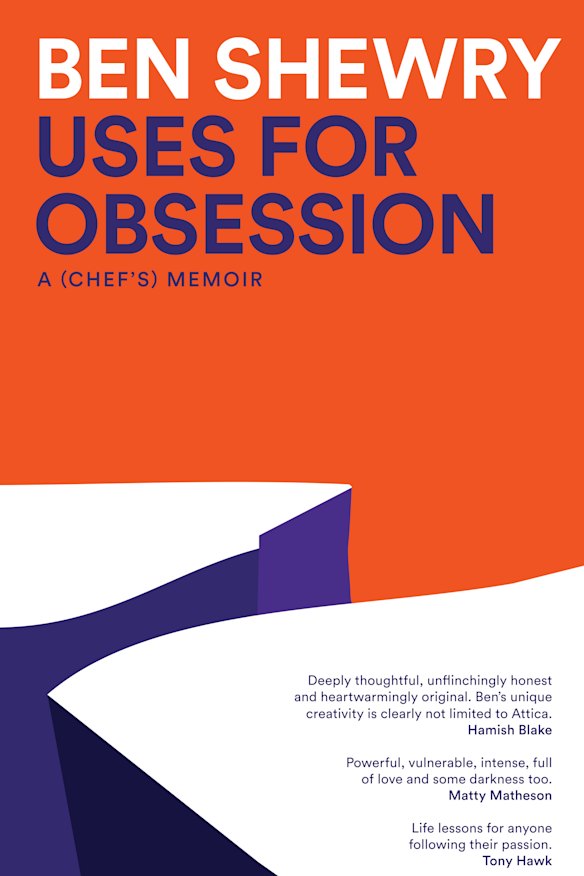
The book, Shewry’s memoir, is called Uses for Obsession, and I have indeed read it. It’s funny and fascinating and at times very, very mean.
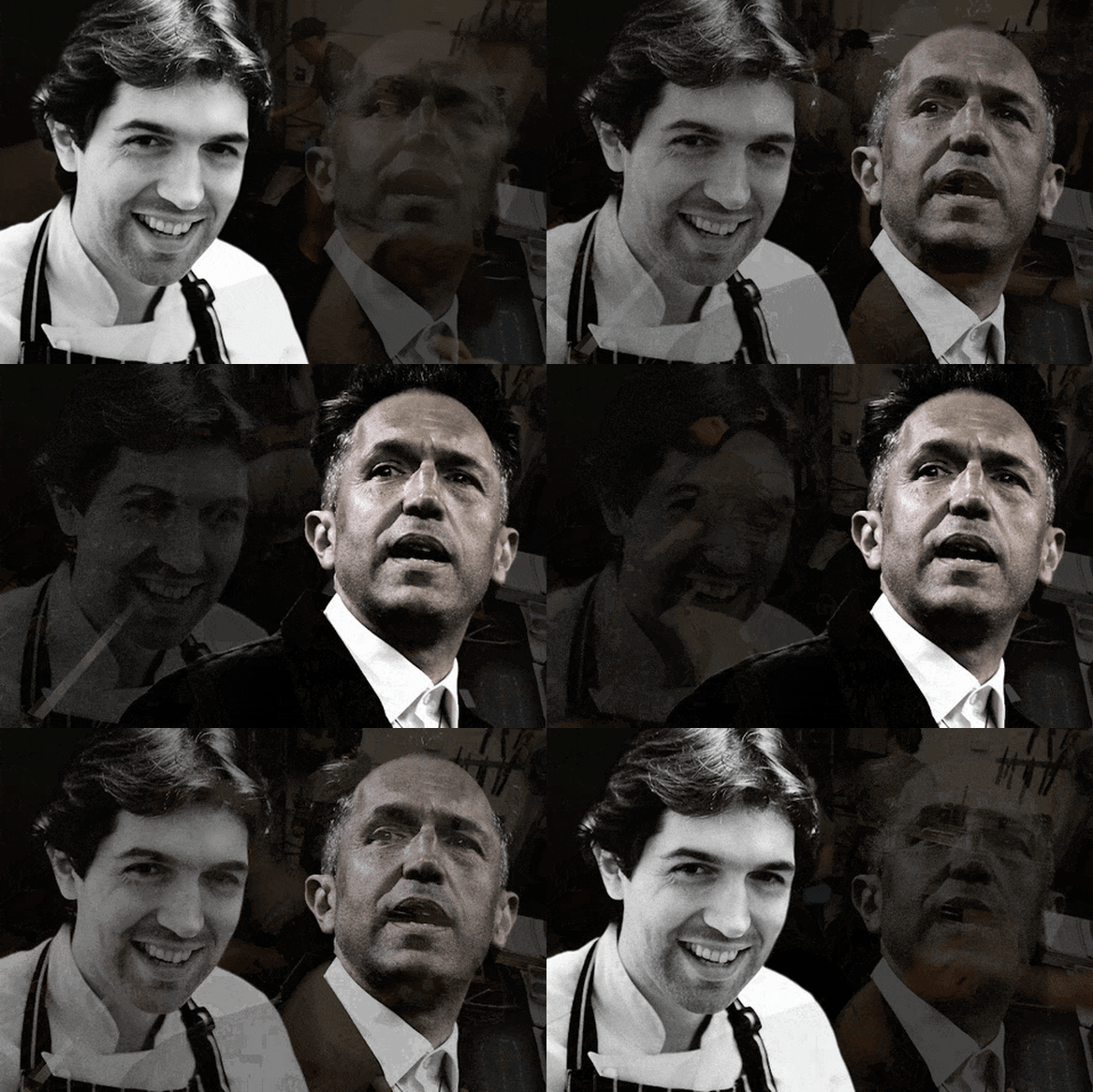
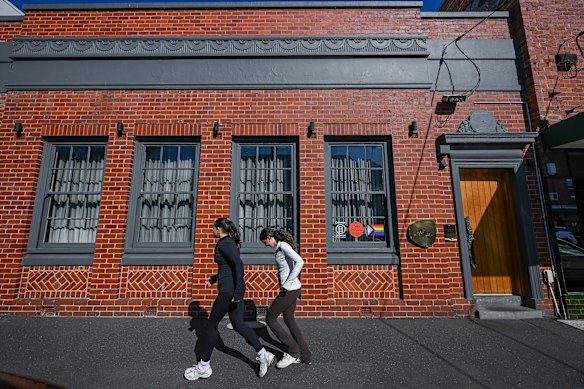
Obsession details Shewry’s rise, a New Zealand-born chef who took over a flailing Ripponlea restaurant in 2005 and, 13 years of sweat later, turned it into the 20th-best restaurant in the world and one of the most important chow-houses to have opened in Australia in, well, ever.
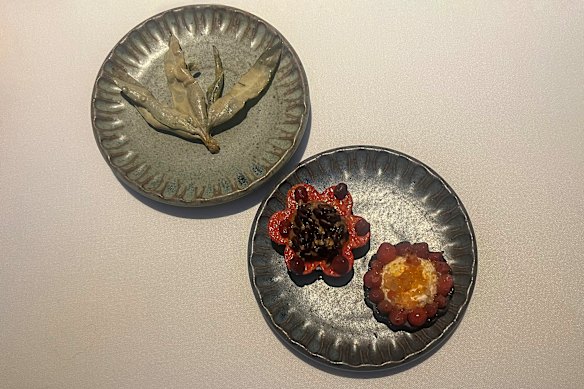
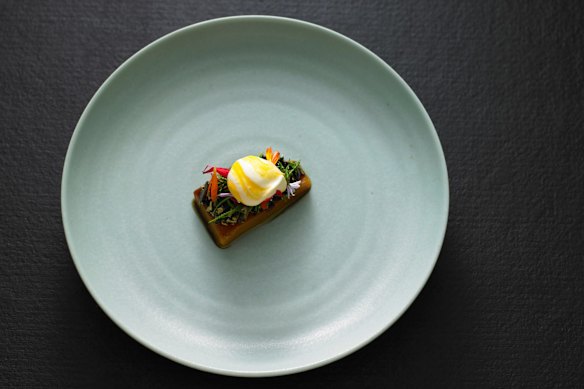
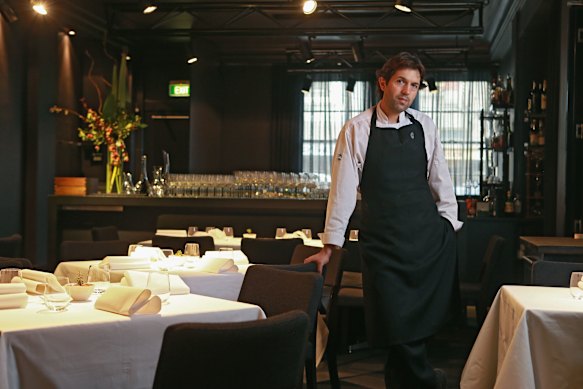
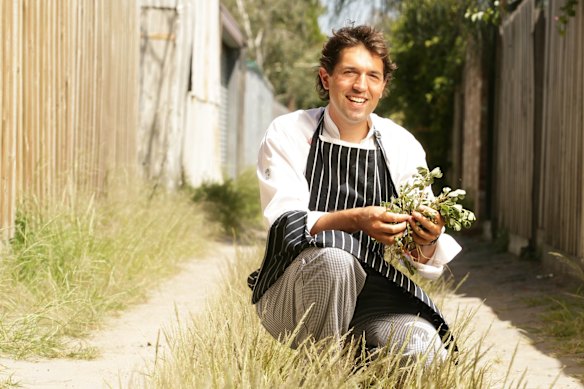
The 49-year-old cooks with a storyteller’s eye, a stage director’s flourish and a watchmaker’s obsession. His menu is always changing and evolving, but last year there was fried sprig of saltbush paired with a riberry tart and wattle wafer, a map of Australia made from King George whiting, kangaroo satay and spiky meringue.
Besha Rodell, The Age’s chief restaurant critic, was particularly taken by a dish of thickened cream topped with sugarbag honey from native stingless bees. “Like all the best of Attica’s dishes, it tastes like Australia itself,” she wrote, “the honey giving off soft notes of eucalyptus, reminding me of the sweet smell of the bush after a light rain.”
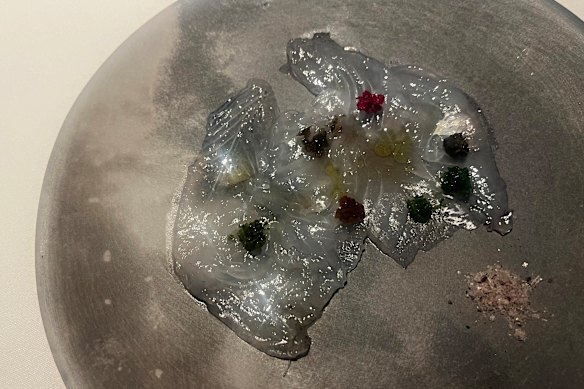
Shewry’s masterpiece, off the menu now for the sin of being too popular, “A Simple Dish of Potato Cooked in the Earth in Which it Was Grown”, tells a story about the underappreciated terroir of humble ingredients, as well as one about Shewry’s own childhood.
“To really hit that three-hats, Michelin, 50-Best level, generally you need to be telling some sort of story with your food,” says Alex Carlton, local academy chair for The World’s 50 Best Restaurants. Shewry’s story is “unapologetically Australian. It’s not twee, there’s no cultural cringe. There was a real pride in Australian food, and that was sort of new when he was in his heyday.”
Everyone wanted to eat at Attica, which was booked out months in advance. Food journalists adored him. Chefs wanted to be him.
Shewry, as is his right, declined an interview for this piece, saying he “would feel ethically compromised if I was participating in a piece for Good Food as I’ve been critical of the Good Food Guide”. But there are plenty – chefs, servers, journalists, editors – who are happy to talk about him, on and off the record, and Shewry has put plenty of his own material on the public record.
In profiles, he has described himself as a man boiling with a thousand ideas at once, with being the best chef in Australia only but one of them. He wanted to make Attica sustainable. He wanted to end hospitality’s culture of misogyny, drug abuse, overwork and sexual assault.
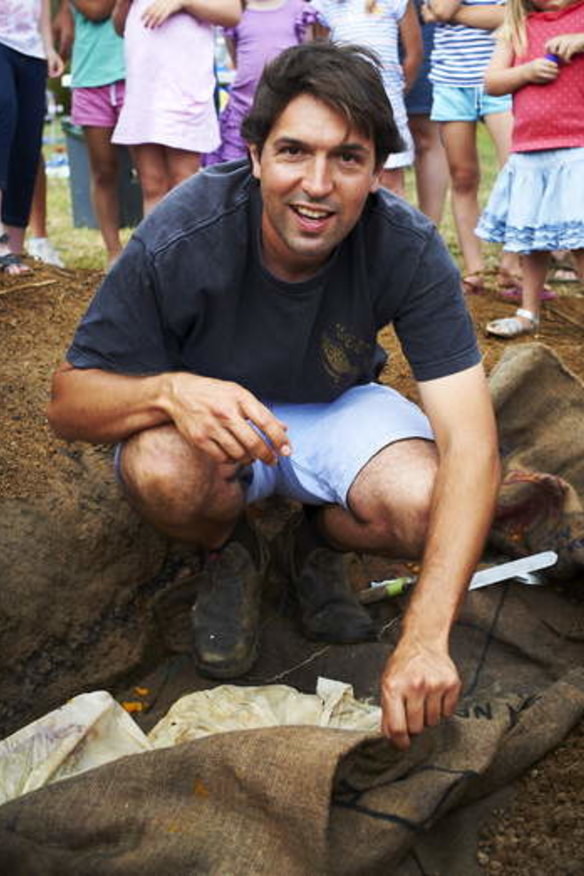
To help lift wages and cut hours, he went through Attica’s menu and crossed out anything that required too many chef-hours to make. “He said: the product isn’t just what’s on the plate, it’s the entire output of the restaurant, including the experience his staff has,” recalls one former staffer. “And I think the quality of the food only got better.”
He was the first chef to ever address the National Press Club, where he spoke not about food but about creativity. That speech, in front of a room of journalists, indicates to some that Shewry is trying to move from chef to thought leader. “People from the hospitality industry do not easily assume positions of power,” he said at the time.
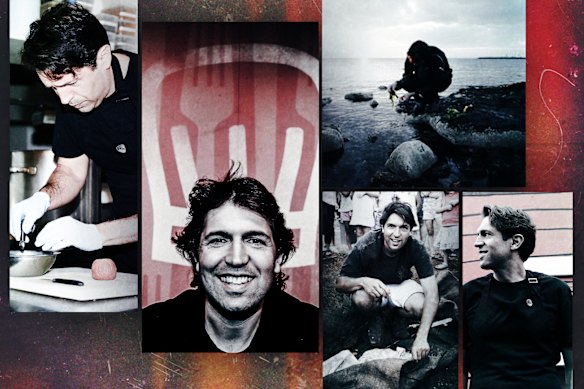
But when Obsession dropped into bookstores in early October 2024, few journalists were focusing on Shewry’s thoughts on native ingredients or Yo La Tengo.
Via text messages and cropped photos of Obsession’s pages, word quickly spread: the media darling had taken a kitchen knife to the food media industry.
‘Restaurant reviewers really aren’t any better at judging restaurants than you are. How could they be? They don’t actually make anything.’
Ben Shewry“Here’s the thing, dear reader,” Shewry writes. “Restaurant reviewers really aren’t any better at judging restaurants than you are. How could they be? They don’t actually make anything, can’t hack it in other forms of journalism. A vacuum cleaner review I recently read was more informative than any restaurant critique I’ve seen in the past year.”
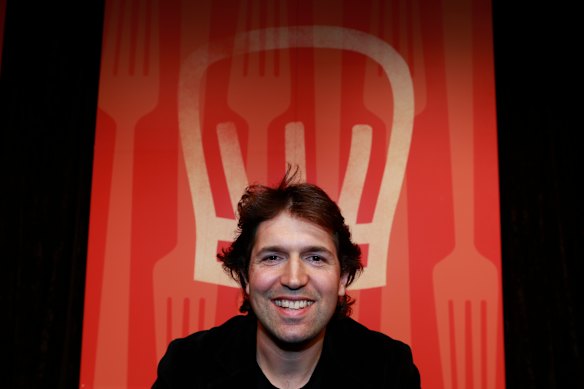
With those words, and many more that would follow, the one-time darling of Australian food media became its most vocal detractor.
Food media, he says, is a feckless system built on hype. “There are conflicts of interest everywhere. Experience and insight are almost non-existent.”
‘It turns my stomach to be complicit in what I consider to be a polluted moral ecosystem.’
Ben ShrewryThis is a system, he continues, that has contributed “greatly to bankruptcy, divorce, depression and suicide”.
“It turns my stomach to be complicit in what I consider to be a polluted moral ecosystem.”
Shewry recounts a story from the Good Food Guide Awards in 2022 (Good Food is an editorial section of The Age) when Attica lost a hat, dropping from three to two. More – much more – on this later, but for now it’s important to understand Good Food’s hats.
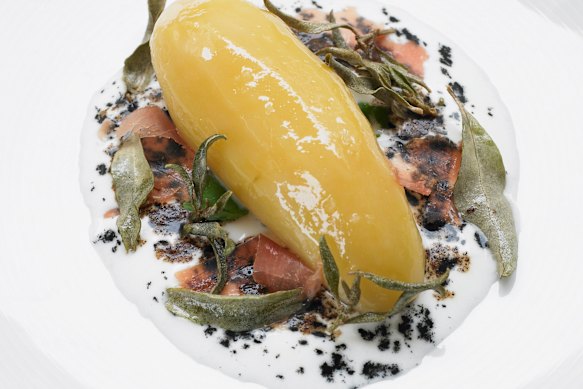
To get a single hat is an achievement: the guide’s dozens of critics deciding this restaurant is really, really good. Just 33 Victorian restaurants were given two hats this year – and only four earned three of the tiny toques.
The morning after Attica lost a hat in 2022, Shewry’s restaurant crew gathered to grieve and mourn. “I wish I could have done more to protect them,” Shewry writes.
Later that night, a senior staff member tells Shewry: “F--- the Good Food Guide. In 15 years, Attica is going to be around and the Good Food Guide is not.”
It’s a bold statement of who holds the power in the restaurant industry: the chefs, not the critics. But is it true?
The voice of a potato
Shewry might be the most profiled chef to ever work our shores. But let’s recap the highlights. The son of farmers in Taranaki, New Zealand, begins French culinary school, eventually rising to sous chef for the governor-general, before coming to Melbourne to cook Thai food, where in 2005 a restaurant in Ripponlea took a chance on the 28-year-old.
Just eight years later, Attica would be named 20th-best restaurant in the world. How?
From early in his career, learning the language of the French kitchen, “I began to see I was cooking with words that were not mine, to make food that bore no resemblance to my culture, the culture of New Zealand, of Maori cooking culture,” Shewry writes. “When I cooked this cuisine, I did not feel like myself.”
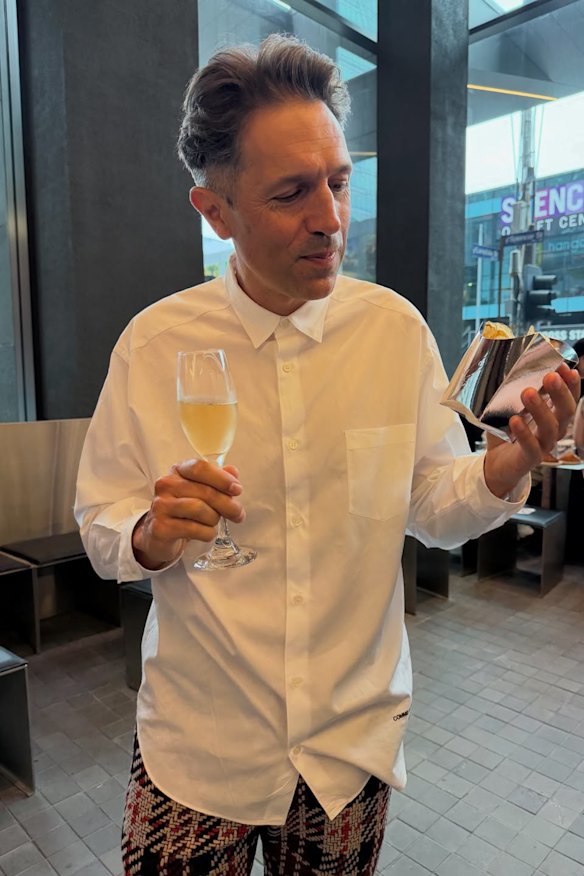
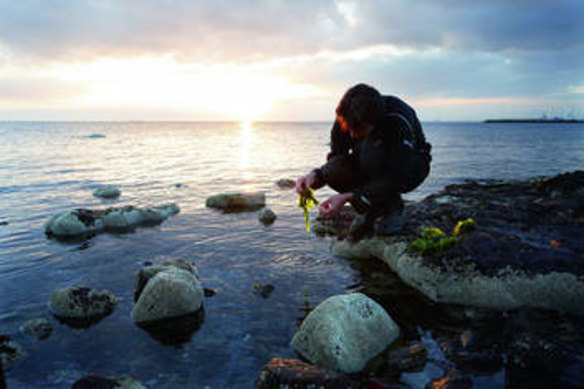
At Attica, he found his style: an obsession not just with ingredients but with their context. “What did they want to say? What could they tell me?”
Here, we should talk about his potato, perhaps Shewry’s most important dish. Potatoes, like wine, taste different depending on the soil they grow in; most of us don’t appreciate that because they are, well, potatoes. For months, Shewry the obsessive experimented with ways of telling that story, settling eventually on a tuber sealed in the dirt in which it grew, borrowing the Maori technique of cooking food in earth ovens. The chef was making his point about context by literally serving the potato in its context.
It’s cooking that makes you feel something. Besha Rodell, living in America at the time, was overcome by homesickness when she ate at Attica in 2017. “I had never tasted things that tasted like Australia before,” says Rodell, this masthead’s chief reviewer. “It was very emotional.”
Dom Wilton, chef and co-founder of Hector’s Deli, still remembers Attica’s solitary chip, over-seasoned in salt and malt vinegar, like the last one trapped at the bottom of a bag. It tasted of his childhood, he says: “That’s his art.”
People started to notice. In 2010, Attica hit number 73 on the World’s 50 Best Restaurants List. To mark the moment, Shewry gave an interview to Broadsheet.
“I was walking up to the kitchen and this wave of emotion just hit me,” he told Jane De Graaff. “Just to see those guys and to see the work they’ve done, it was just amazing and I actually started to cry.”
It’s important to emphasise this point because of what follows: Shewry cared so much about being on the list, according to his own telling, that he wept. And in the same moment, with a prescience that now feels eerie, he was already contemplating his own chef mortality.
“I actually think it would be hard, emotionally, to be dropped [from the list]. I was speaking to someone who’s much higher up on the list than us, and he was saying that the pressure of being dropped [from the list] would break his heart. I’d have to agree; it would break your heart,” he said. “But I don’t really want to think about it.”
The golden boy
Shewry didn’t have to think about it for a while because Attica was going from strength to strength. In 2015 Shewry was featured as one of the stars in the first season of Netflix hit Chef’s Table. On the first day of filming, they expected to spend three hours interviewing Ben, but spent nine. “Both Ben and [director] Brian McGinn were crying,” says producer Michael Hilliard. “The secret was Ben was so open, so vulnerable, about his own story.”
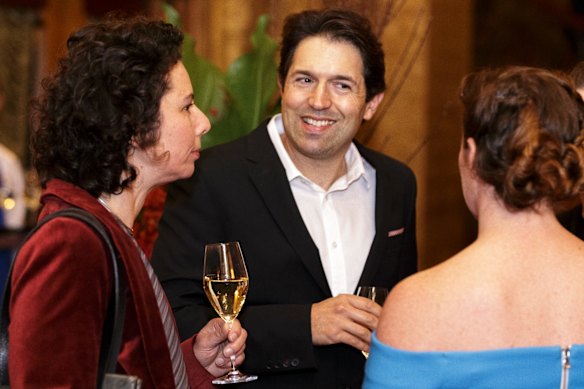
Shewry had become “the golden boy of Australian food media”, says one food journalist – who like many in this piece was granted anonymity to speak freely without damaging professional relationships. Shewry guest-edited an edition of Good Food. Every journalist I interviewed remembered him as happy to work with the media, keen to sit for photos and be interviewed. “Like, you were complicit in the whole thing,” says another journalist.
Surely, there would have been an opportunity to turn Attica into an empire, as other chefs-turned-celebrities have done. But there is no Attica at Crown Casino, nor can you buy Attica’s dirt-potato at Coles. “Ben is much deeper in his thought and connection with food,” says a chef who has worked with him. His interest remains in “traversing the bridge between art and food”.
Media attention generates cultural capital, and Shewry has turned that into real capital. He was an ambassador for Lexus and then Mazda, and has collaborated with Remedy on an Attica-branded line of Kombucha.
It was that influence outside the kitchen that drew Jane Morrow, Murdoch Books’ publishing director, to approach Shewry. When he told Morrow he wanted to devote a chapter of his book to reviewers and awards, “we knew that it would have ramifications for how the book was received in the media and for our own media relationships”, she said. But “this was Ben’s story to tell”.
Throwing the grenade
Ahead of the book’s publication, word started filtering through the tight-knit food journalism community. “We knew that there was going to be some sort of hit job on us,” says one journalist. But everyone I interviewed for this piece was shocked by how hard the blow landed.
Shewry tells unflattering stories about several anonymous food journalists, who were quickly able to identify themselves. He complains about them booking Attica under pseudonyms like Joanna Narlist, and emailing him “painfully superficial questions”. He writes of giving a critic a free table and then being rewarded with a “gushing” review: “It felt totally wrong.”
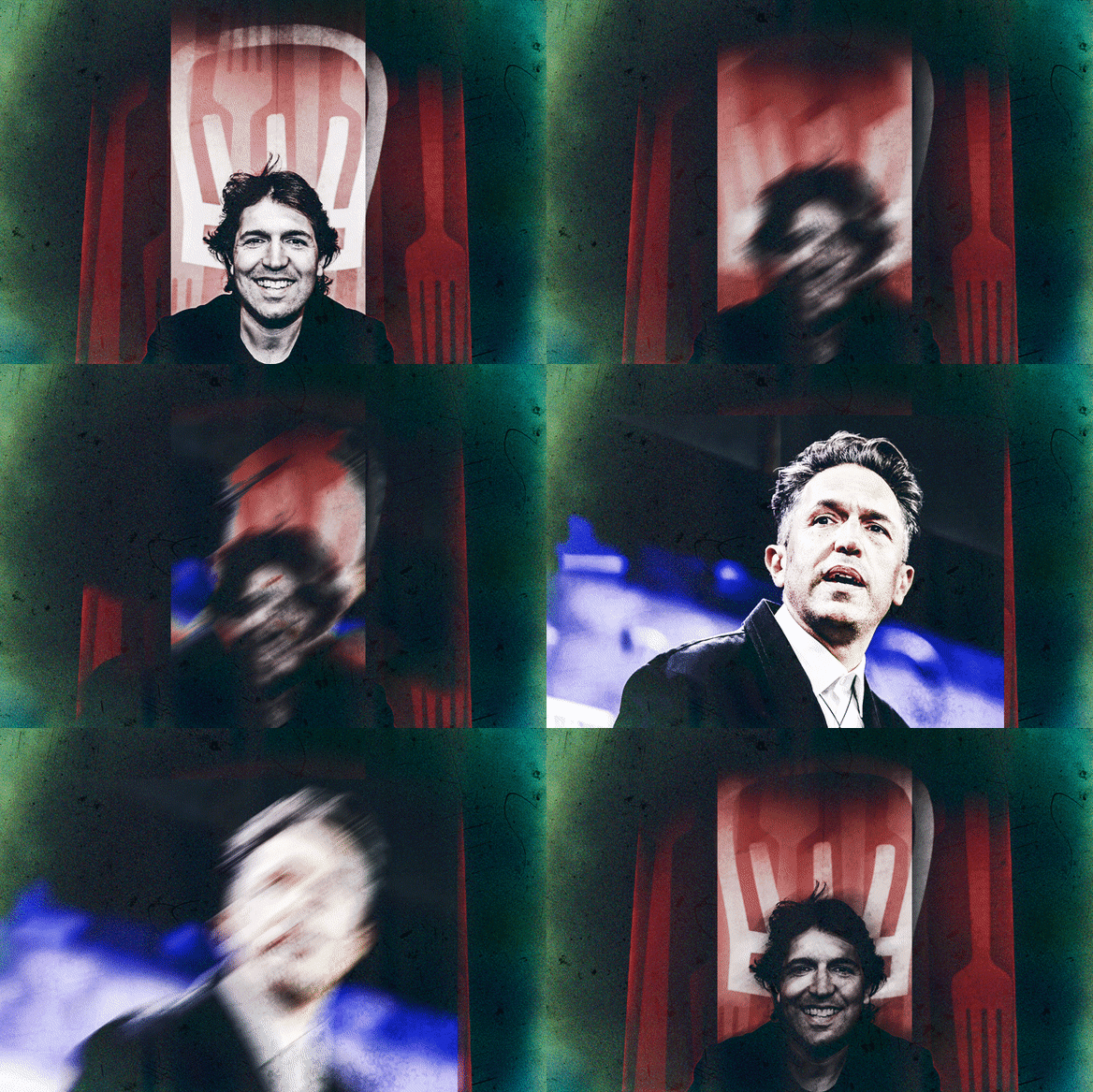
“There’s a lot in there that he writes that’s … really mean, unfair and untrue,” says one journalist.
‘She wrote about him before he was famous. When he lost that hat, he turned on her.’
Besha RodellThere is a sense from many journalists that they helped build Shewry and Attica and were now under attack. “There’s part of it that’s like: mate, you wouldn’t even have a book deal if it wasn’t for all the positive media coverage you’ve had over the years,” says Rodell. “He was so beloved, and everyone felt like they were really pulling for him.”
Good Food writer Dani Valent repeatedly profiled Shewry and then partnered with him to make food for the hungry during the COVID pandemic. “She wrote about him before he was famous. When he lost that hat, he turned on her,” says Rodell. “And I think it’s been really hard on her.” (Valent, who authored two profiles as part of this series, declined to comment.)
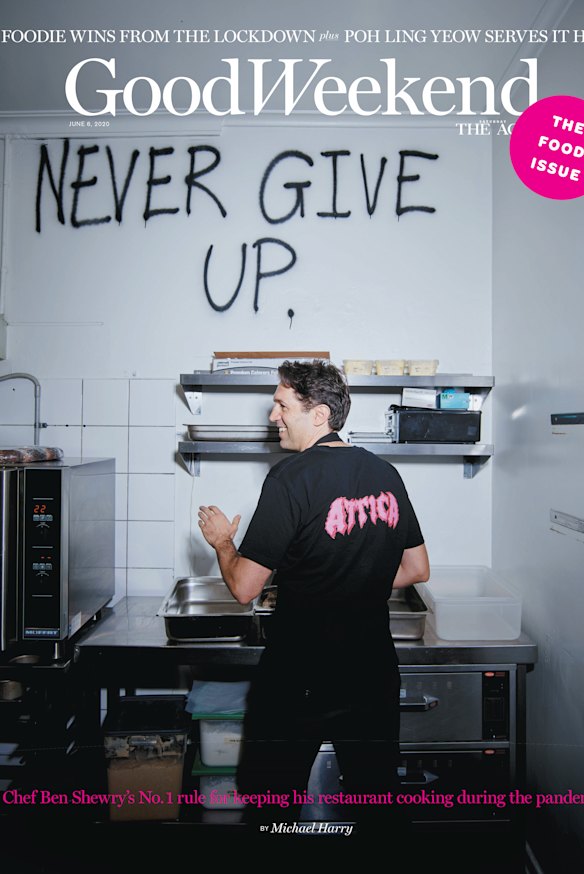
Most infuriating to many writers is Shewry’s claim food media did not support Attica during the pandemic. “Every journalist wrote at least three stories on Attica and his lasagne. He got the Good Weekend cover story,” says an independent food journalist.
Good journalists turn themselves into problems for powerful people. Criticism comes with the territory. We grow thick skins. But reporting this piece, I was struck by the level of personal hurt from colleagues that Shewry targeted.
The chef and the critic share a tighter bond than either would like to admit. “It felt like a friend turning on them,” says Rodell. A worry gnaws at another food journalist: most chefs and hospo types are extremely nice to journalists in person. Do they all actually secretly hate us?
The answer might be yes. “I think it’s complete and utter horseshit in the format we’ve come to know … for some white f---ing older guy to come along and go ‘I think this is good or bad’,” says Hector’s Deli’s Dom Wilton.
What made Shewry decide to pull the pin out of the grenade?
In his telling, he found two years in COVID lockdown, with no reviewers, freeing. He realised Attica needed only to be judged by “our customers and ourselves”. Restaurants no longer need positive mainstream media coverage, he writes. He feels a personal responsibility to try to change the system. “We have not been honest, we have not spoken the truth,” he writes. “It is time to stop.”
Others suggest different motivations.
Several food journalists circle the moment Shewry lost a Good Food Guide hat in 2022. “I think it would be very hard to be on top for a long time and suddenly not be on top,” says a journalist. “Is it a clever pivot to suddenly say ‘I reject all this’ and therefore it does not matter?”
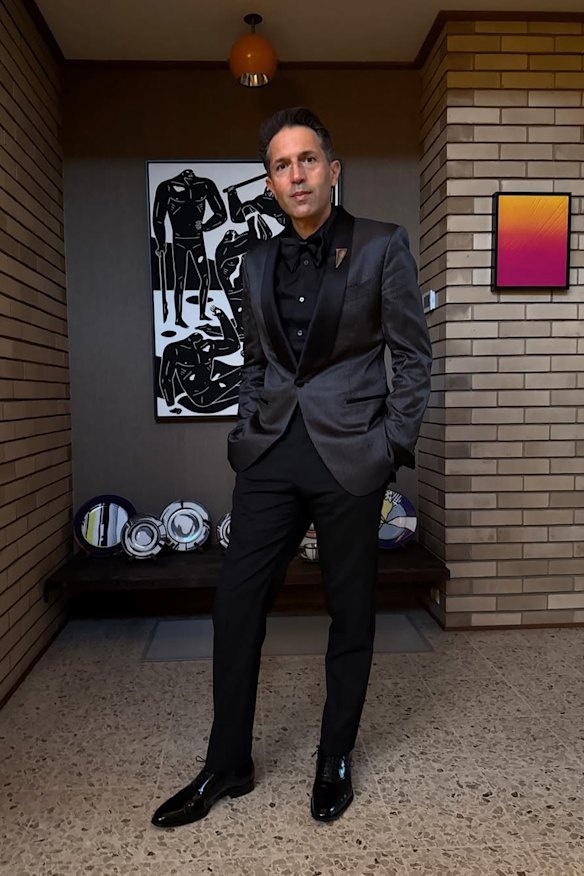
Shewry flatly and strongly rejects that, both in his book and in the storm of media coverage following its publication. “It has absolutely nothing to do with losing a hat, and losing a hat has had no effect on our business,” he told this paper in 2024.
In Obsession, he writes he felt “strangely freed” by the loss. His narrative then introduces an employee, Anna, who believes “Attica is the most important restaurant in Australian history”. Anna is so devastated by the loss of the hat that “I’m terrified something will happen to her”.
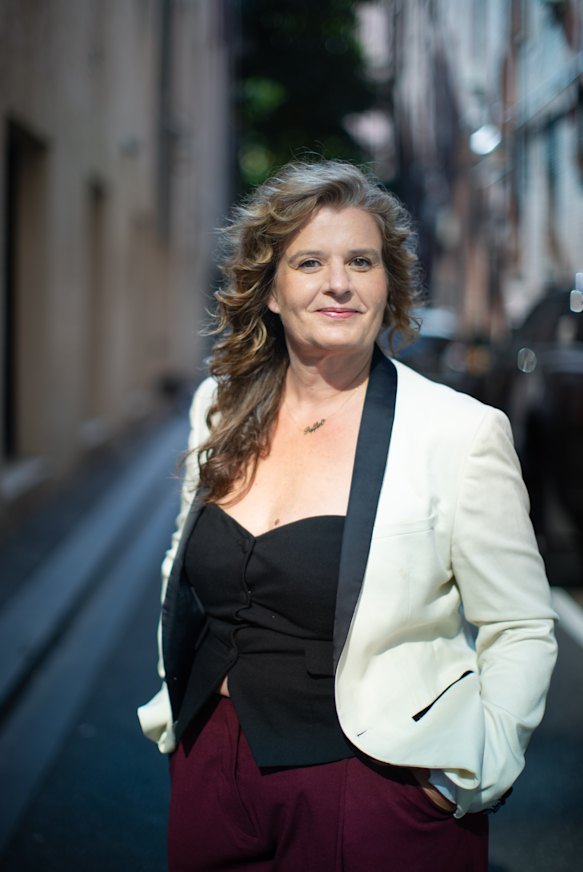
Rodell thinks the loss of the hat – announced at the Good Food Guide awards in Melbourne, as Shewry was surrounded by his peers – “must have been quite publicly humiliating”. The team could have done more to warn him about it quietly in advance, she says.
“It just turned everything for him … he got it in his head [that] it was designed to take him down.”
(Good Food’s editor, Sarah Norris, tells me the guide has had a mixed approach over the 40 years of warning chefs in advance when they go from three hats to two in the future, but we have considered making it a policy to inform in the future.)
‘It’s something we agonise over’
A few years after I started as a cadet at The Age, the paper’s bar reviewer left. I spotted an opportunity – I have no experience writing about food, but liked pubs and beer – and made my advances to the Good Food team. Externally, food reviewing looks like having a fancy meal on the company credit card.
Shewry paints reviewers as arrogant fools, clumsily destroying the labours of chefs.
The idea that someone could go from journalist to food critic is “an even bigger leap than me deciding that tomorrow I’ll go from being chef to head sommelier – unthinkable,” he writes. “The arrogance behind assuming such a position of authority so readily undervalues the mastery of restaurants.”
My campaign to be the new bar reviewer did not get far. I was politely but firmly rebuffed.
Every critic I spoke to seemed to feel the heavy weight of their dual responsibilities: to celebrate, champion and support great Australian cooking while also critically reviewing it.
“It’s something we agonise over,” says Carlton. “We have a responsibility, first and foremost, to the reader and the diner, [to identify] where the best places are to spend their income. But I also think restaurants are a vital part of our culture. They bring our city life. To sort of smash them down is something I’m not really comfortable with.”
Before Attica lost a hat, Good Food visited multiple times and brought in external critics. The publication reserves negative reviews for those big enough to handle them, says restaurant editor Callan Boys. He points out that while Attica lost a hat, it still scored 17.5/20 – one of the top seven restaurants in the state.
“Contrary to popular belief, most restaurant critics – certainly Good Food critics – don’t enjoy writing negative reviews,” he says. “If it’s a small independent restaurant that isn’t up to scratch, we’ll simply, quietly move on.
“But when there’s a big public relations push and massive capital behind a new restaurant, often coupled with a well-known chef trumpeting their latest venture as the best thing since complimentary bread, it’s fair play to publish negative criticism.”
They are not reviewing food as a chef would, but as a customer would. And a meal at Attica can run to hundreds of dollars. “Ultimately,” says another critic, “you are advocating for the diner.”
That is not to say all is well in the world of food-media.
“Every journalist I spoke to said ‘they are really valid criticisms’,” said one food journalist. Good Food can afford to pay for review tables, but smaller outlets receive tables from publicists; to write critically is to literally bite the hand that feeds. That’s not even getting into the modern economy of influencers with little experience and no code of professional ethics.
“People get used to and want to be treated like VIPs,” says Rodell. “Famils” (from familiarisation) – where a brand pays for a journalist to travel to some exotic locale or dine at a top restaurant – are always on offer. There are free meals, free drinks, invites to fancy dinners. “And people love it – it’s hard not to love,” she says. (Rodell does not accept “famils” or free meals.)
Against a backdrop of industry upheaval – in newsrooms and kitchens – the prediction by Shewry’s staff member about who will be gone first is a shot across the bow. Will Attica still stand in 2035, while Good Food’s writers hunt through job listings?
Betting on the future of legacy journalism might seem a brave call. But Attica hasn’t sat on the World’s 50-Best list since 2021, despite Tourism Australia paying to fly out judges from the list to dine there in 2024. And it hasn’t gone unnoticed that a restaurant that used to have a six-month waiting list now has tables available to reserve online most nights.
Get the day’s breaking news, entertainment ideas and a long read to enjoy. Sign up to receive our Evening Edition newsletter.

















































