3 months ago
25
3 months ago
25
René Redzepi, who founded Michelin-starred Noma in Copenhagen, allegedly punched and shoved staff.
Henry Samuel
March 9, 2026
The head chef at one of the world’s best restaurants has been accused of psychological and physical abuse by dozens of former employees.
René Redzepi of Noma in Copenhagen, Denmark, allegedly punched and shoved staff and subjected them to humiliating public shamings over several years.
Noma has three Michelin stars and has topped the World’s 50 Best Restaurants list five times.
The allegations, published by the New York Times after interviews with 35 former staff, come with Noma due to open a Los Angeles pop-up on March 11, where meals will cost about $US1500 ($2100) a head.
Redzepi accepted that parts of the accounts reflected harmful behaviour in his past, but said he did not recognise every detail.
“To those who have suffered under my leadership, my bad judgment, or my anger, I am deeply sorry and I have worked to change,” he told the newspaper.
He added that he had stepped back from day-to-day service, undergone therapy and found better ways to manage his temper.
‘Jabbed with kitchen tools’
Former workers allege that between 2009 and 2017, Redzepi punched and shoved staff, jabbed them with kitchen tools and subjected them to humiliating public dressing-downs.
They also described a culture of screaming, intimidation and body-shaming inside a restaurant celebrated for culinary innovation and perfectionism.
Among the most serious claims is an alleged incident during a 2014 dinner service in which Redzepi ordered kitchen staff outside after a sous-chef played techno music in the production kitchen.
Restaurant reviews, news and the hottest openings served to your inbox.
Redzepi allegedly punched him in the ribs and forced him to tell 40 colleagues standing around them in a circle that he liked performing oral sex on DJs before allowing service to continue.
Other former employees alleged that collective punishment was routine, with staff punched in the chest or physically prodded during service.
One former cook told the paper he was slammed against a wall and punched in the stomach over a minor plating slip-up.
Another alleged she was punched in the ribs after using a phone during service, causing her to fall against a counter and cut her hip. Noma said it had looked into that claim but could not verify it.
Revered name in gastronomy
Since founding Noma in 2003, Redzepi has become one of the most revered names in gastronomy, offering fine dining based on foraging, fermentation and the severe, hyper-local cooking style that became known as New Nordic cuisine.
Noma has spawned imitators and helped shape the stylised, intense image of modern fine dining seen across television, documentaries and satires such as The Menu, starring Ralph Fiennes.
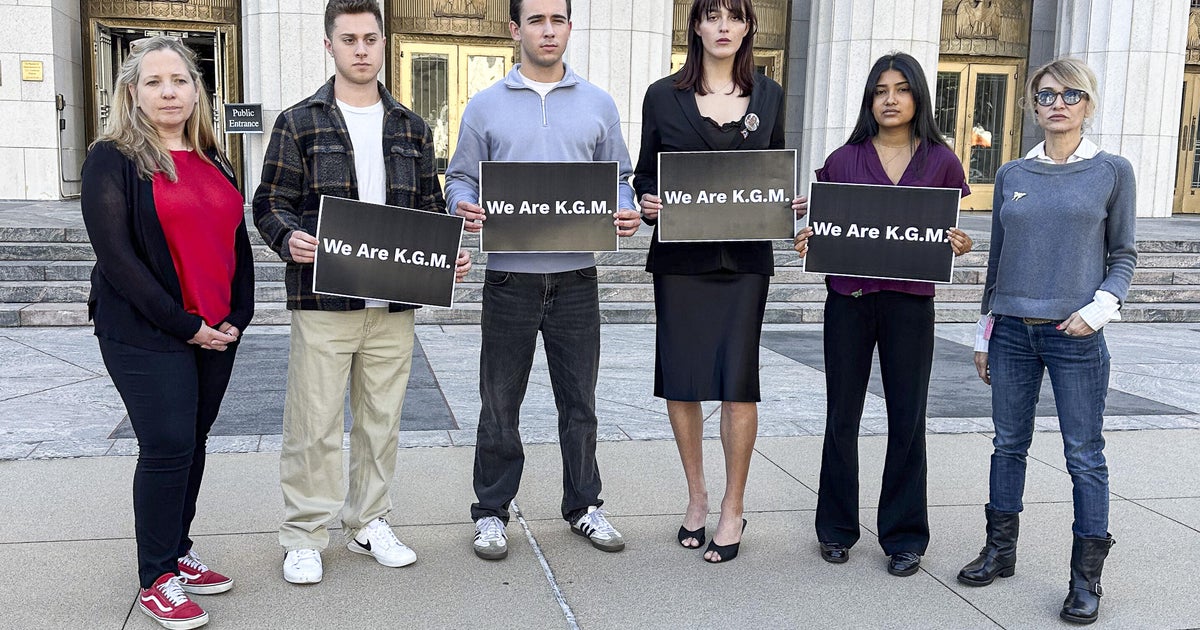
Many alleged victims told the New York Times that they tolerated behaviour, which they now regard as abusive, because the restaurant’s name carried such weight and they feared retaliation in a close-knit industry.
Noma has faced scrutiny before. In 2022, after criticism of its reliance on unpaid interns, the restaurant said it would pay them in the future. Redzepi later said the traditional fine-dining model had become unsustainable and Noma would stop operating as a conventional restaurant, pivoting instead towards pop-ups and Noma Projects, its products and innovation business.
‘Deeply sorry for his behaviour’
Redzepi has previously conceded that Noma was “a labour-intensive business”, and in a 2024 interview, he said of his work: “The ingredients themselves, the people around it – it’s their story.”
Former staff now argue that the human story behind the brand has been far darker.
Redzepi is not alone among celebrity chefs facing such claims. In France, prosecutors opened an investigation in December 2023 into alleged violence linked to hazing at the Hôtel du Palais in Biarritz, where Aurélien Largeau, the Michelin-starred chef, has denied wrongdoing.
The debate over a bullying kitchen culture was reignited last May by Nora Bouazzouni’s book Kitchen Violence: A French Omertà, which portrayed abuse as deeply embedded in elite kitchens, despite prominent chefs’ insistence that the profession has reformed.
The Telegraph (London)