3 months ago
17
3 months ago
17
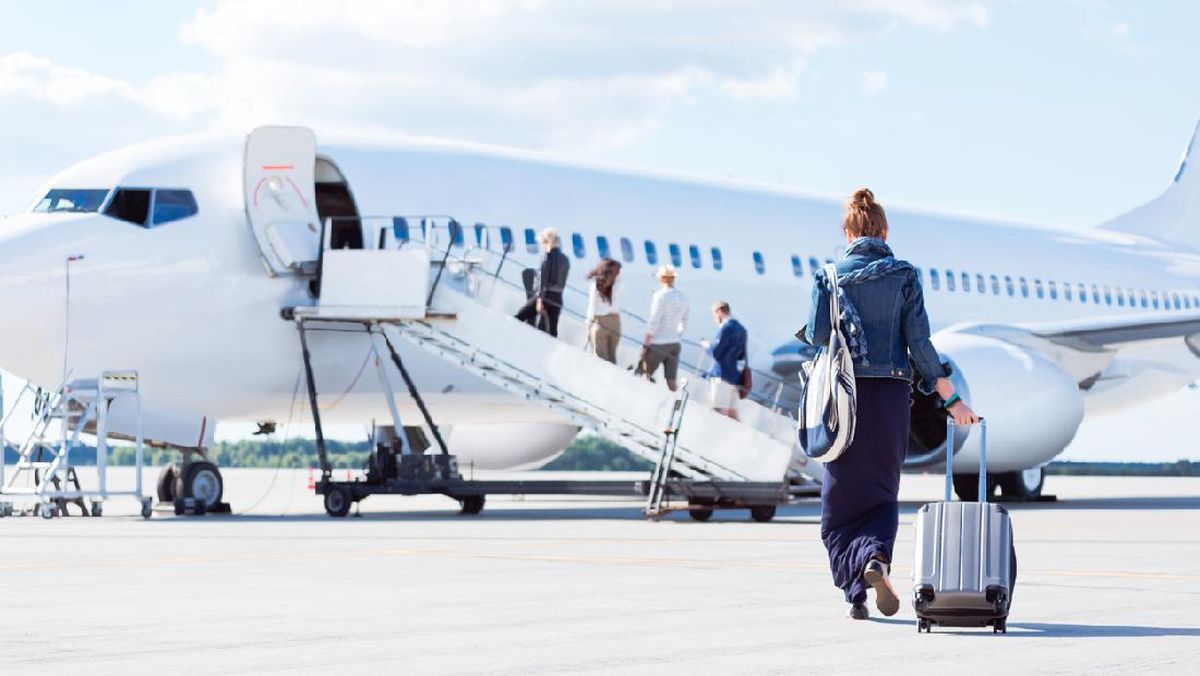
Australia’s transport safety inspector says that a failure of flight crews to understand take-off conditions nearly led to two major accidents at Melbourne Airport in 2023.
A Malaysia Airlines A330, with 237 people on board, and a Bamboo Airways 787, with 212 people on board, both overran a shortened runway during take off, lifting off only metres above an active worksite.
Each aircraft reportedly took off past the limit of a shortened runway, resulting in “jet blast affecting people and objects and people in the work area”, the Australian Transport Safety Bureau (ATSB) said on Tuesday.
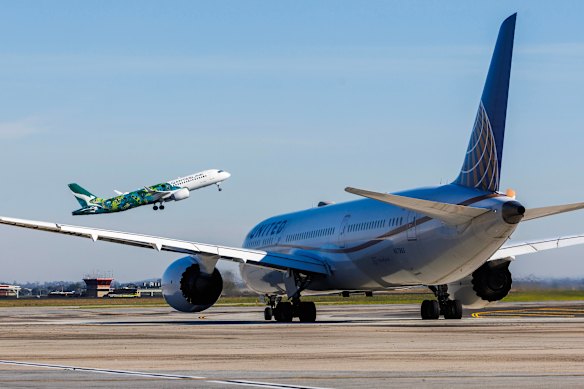
Australia’s transport safety inspector says that a failure to sufficiently warn flight crews about take off conditions nearly led to two major accidents at Melbourne Airport in 2023.Credit: Aaron Francis
The incidents, which triggered a risk review, were caused by flight crews’ insufficient understanding of take-off conditions, putting the lives of workers, passengers and flight crews in danger.
The incidents took place within weeks of each other in September 2023, and a source with knowledge of the events, not authorised to speak publicly, told this masthead that it was the “closest the airport was to real disaster in years.”
Before each incident, the airport’s runway 34, normally 3659 metres long, had been temporarily shortened by 1568 metres at night for a resurfacing project, which left 2089 metres of runway. In both cases, flight crews used pre-flight take-off calculations that expected a full runway length.
The ATSB said neither the Malaysia Airlines nor Bamboo Airways flight crews had recognised the changed conditions before take-off, despite the warnings being communicated through an update known as NOTAM (notice to airmen) and broadcast over the radio by the automatic terminal information service.
The Malaysia flight cleared the work crew by seven metres, while the Bamboo Airways flight passed over by 4.5 metres.
Both times, the jet thrust washed over areas where workers and equipment were present.
“Neither flight crew identified that the runway was significantly shortened, despite the relevant NOTAM being provided in their flight briefing packs,” ATSB chief commissioner Angus Mitchell said.
Commercial planes routinely use what is known as “reduced thrust take-off” that takes advantage of the length of the runway to use less fuel, increasing efficiency and lowering wear on the aircraft.
The first event involving Malaysia Airlines happened on September 7, 2023. The second occurred on September 18, 2023, with Vietnam’s Bamboo Airways. The runway works ran from 10.30pm at night until 4.30am in the morning.
The ATSB investigation found that neither flight crew was aware of the reduced runway length, despite it being detailed in the notices provided to pilots prior to flying.
Malaysia Airlines’ crew didn’t confirm they received the ATIS (Automatic Terminal Information Service) information on the runway, while Bamboo Airways crew had received an earlier version of the update on the runway.
While the two airlines’ office-based flight dispatchers had accounted for the reduced runway length in their calculations, they did not highlight the shortened runway to the flight crews for input into the plane’s flight management computers, said Mitchell.
“Both flight crews assumed the full runway length was available in their performance calculations and their respective take offs were conducted with less thrust than was needed for the reduced runway.”
The ATSB investigation found that the “risk controls” in place at the time to prevent occurrences like this were “procedural in nature”.
Whilst pilots are responsible for reviewing and understanding all relevant information when preparing for a flight, “these and previous incidents show that this process is susceptible to human error.”
“Considering the potentially catastrophic consequences of a loaded and fully fuelled aircraft impacting a work site on take off, additional defensive layers are required,” said Mitchell.
As a result, Airservices Australia, in consultation with the Civil Aviation Safety Authority, are proposing changes to air traffic control procedures for how essential information about runway links is communicated.
Immediately after the first event, Melbourne Airport queried Malaysia Airlines, and then published a safety alert to all airlines.
Most Viewed in Business
Loading