3 months ago
46
3 months ago
46
By Brian Platt, Lucille Liu and Colum Murphy
January 17, 2026 — 4.00am
China and Canada reached a wide-ranging agreement to lower trade barriers and rebuild ties, signalling a pivot in Canadian foreign policy and a break from alignment with Donald Trump’s trade agenda.
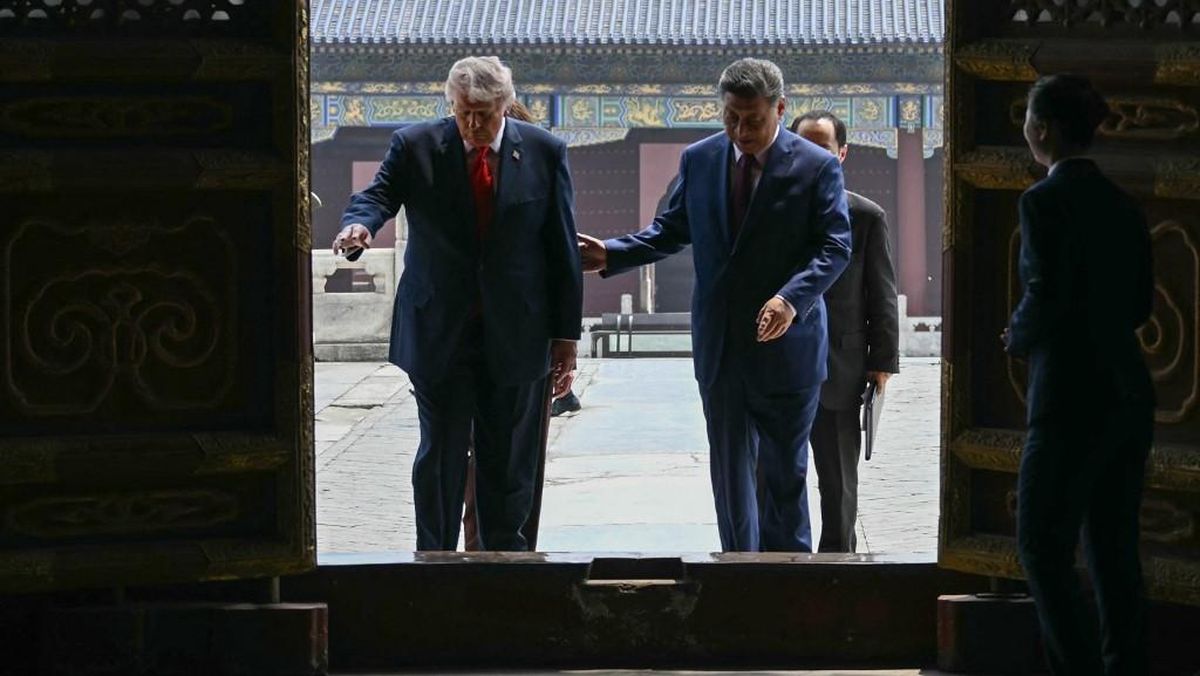
Prime Minister Mark Carney said he expects China to cut tariffs on Canadian rapeseed after meeting Chinese leader Xi Jinping on Friday, in the first visit by a Canadian leader to Beijing in eight years.

Canada’s Prime Minister Mark Carney meets with Chinese President Xi Jinping at the Great Hall of the People in Beijing on Friday.Credit: AP
In tandem, Canada will allow 49,000 Chinese electric vehicles into its market at a tariff rate of about 6 per cent, down from the current rate of 100 per cent. China will also offer visa-free travel to Canadians, Carney said.
The moves marked a stunning reversal from the era of former Prime Minister Justin Trudeau; under the previous administration, Canada-China ties collapsed following the 2018 extradition spat involving a senior Huawei executive.
China’s subsequent detention of two Canadians and years of retaliatory trade measures turned the relationship into a deep freeze. Now, Carney’s warming to Xi suggests a new strategic direction for a nation long considered Washington’s closest partner.
The centrepieces of the agreement are tariff concessions. Carney anticipates a drop in canola tariffs from 85 per cent to about 15 per cent combined by March 1, citing “a high degree of confidence that that’s going to happen.”
Carney also said Beijing will suspend anti-discrimination duties on other farm products. This includes canola meal and lobsters, with the suspension expected to last from March through at least the end of 2026.
The reduction in electric vehicle tariffs is perhaps the most striking component of the deal. Canada originally matched the Biden administration’s 100 per cent levy to align with US trade policy, but Carney suggests he will chart an independent course.
Carney hailed his strategic partnership with Xi, touting the importance of their ties in the face of a “new world order.” This was a veiled reference to the global instability caused by President Trump’s foreign policy swings and disruptive trade agenda.
“I’m extremely pleased that we are moving ahead with our new strategic partnership,” Carney told Xi on Friday. A day earlier, he told Chinese Premier Li Qiang that their strengthening relationship “sets us up well for the new world order.”
Loading
Asked whether he still sees China as Canada’s top security threat at a press conference, Carney said the security landscape continues to change. He added that the multilateral system has been eroded and it remains to be seen what gets built in its place.
The overture comes in the wake of Trump’s trade war that last year put tariffs on goods from American allies and adversaries alike. At the same time, the Republican leader has brought Vladimir Putin out of isolation, stunned the world by deposing Venezuela’s leader and made invasion threats toward Greenland, a semi-autonomous territory of NATO member Denmark.
Carney’s trip comes as difficult negotiations loom with Trump on the North American free trade pact. US officials have put pressure on Mexico and Canada to erect barriers to Chinese products ahead of those talks.
Carney, who frequently talks about the Canada-US relationship as having suffered a historic “rupture,” called for a new relationship with Beijing “adapted to new global realities” in his meeting with Xi.
Xi expressed optimism, noting “positive results” in restoring ties.
“The healthy and stable development of China-Canada relations serves the common interests of our two countries and is also conducive to world peace, stability and prosperity,” he said.
Beijing hasn’t confirmed the details of the deals announced by Carney. A joint statement released by both governments states that both sides will expand trade, strengthen investment and deepen cooperation in various fields, including energy, finance, public security and people-to-people exchange.
Canada reaffirmed its commitment to its long-standing One-China Policy, according to the statement. Under that approach, Canada recognises the People’s Republic as the sole legitimate government of China without endorsing or challenging the Chinese position on Taiwan, the self-ruled democracy claimed by Beijing.
Loading
Since taking office last year, Carney has tried to reset relations with China and deepen Canadian trade with the Asian superpower. He is among a stream of leaders including the UK’s Keir Starmer and Germany’s Friedrich Merz making trips to Beijing early this year to rebuild ties after the US and China stabilised relations with a trade truce.
Speaking to reporters on Thursday, Canadian Industry Minister Melanie Joly, who as foreign minister in 2022 labelled China an “increasingly disruptive global power,” said the goal now is to bring stability to the relationship between the two nations.
“You know what? The conversations here have been more predictable and stable than sometimes with other countries, including our neighbour,” she said.
Most Viewed in World
Loading