3 months ago
47
3 months ago
47
Singapore/Jakarta: Australia and Indonesia, drawing ever closer on matters of security, plan to develop World War II-era defence facilities on the small island of Morotai into a joint training base.
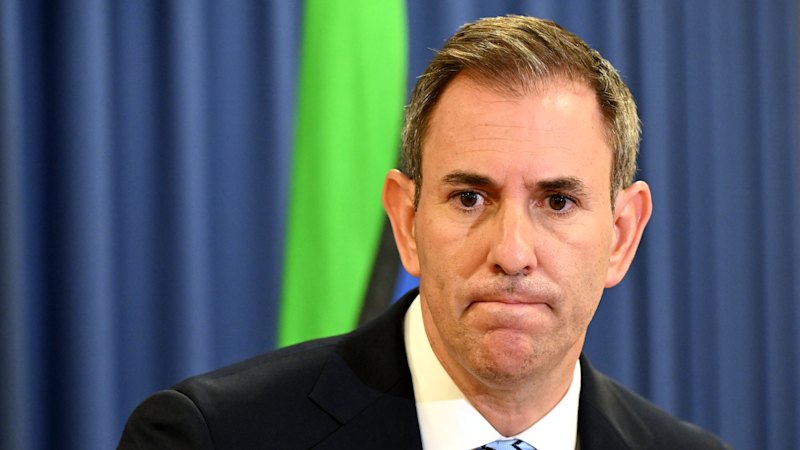
Defence Minister Richard Marles also announced in Jakarta on Thursday that an Indonesian with the rank of colonel would embed with Australian troops from early next year as a deputy commander of 1st Brigade in Darwin.
Of Australia’s three infantry brigades, 1st Brigade interacted most closely with the annual rotation of US Marines, he said.
The initiatives were flagged by Prime Minister Anthony Albanese in February when he signed the Treaty on Common Security with Indonesian President Prabowo Subianto, but details were scant.
The strategically placed island of Morotai is at the northernmost point of Indonesia’s North Maluku province and just south of the Philippines. In World War II, it was captured from the Japanese by Allied forces, including Australians, and used as a base to liberate the Philippines.
Indonesia’s Defence Minister, Sjafrie Sjamsoeddin, said the facilities would also be open to Singapore and the Philippines, the latter of which faces ongoing tensions with China in the South China Sea.
In a day of announcements, Indonesia and Australia also now plan to expand their joint security cooperation to include Japan and Papua New Guinea, Australia’s new security ally.
Australia has always sought closer ties with Indonesia. The moves detailed on Thursday, however, highlight Prabowo’s eagerness to cement stronger friendships in the region amid the rise of China and an unpredictable US under the stewardship of Donald Trump.
The former general is also keen to play a bigger role in global affairs, signing up Indonesia to Trump’s Board of Peace and becoming the first leader to promise troops for any peacekeeping force in war-ravaged Gaza.
Indonesia also maintains good relations with China, and Prabowo has met several times with President Xi Jinping in Beijing, but it too has friction points with the superpower in the South China Sea.
“Indonesia wouldn’t sign up to [developing a training base with Australia] if it were going to be overtly provocative towards China,” said Dr Natalie Sambhi, executive director of Verve Research, an independent think tank.
“Given the location, it makes sense that the Philippines would be able to use it. It’s advantageous for the Indonesian armed forces to work together with the Philippines and Singapore, especially in light of the latter’s professionalism and capability.
“That said, there are questions worth raising, such as, would Indonesia be allowed to invite China or other partners to use the facility, and to what extent might it impact Indonesian sovereignty.”
Marles said the announcements were about focusing on the bilateral relationship “on our own terms”.
“This is not about any other third country,” he said. “This is about building the shared capability between Indonesia and Australia.”
In April last year, respected military website Janes caused a flap in Australia with a report that Russia had asked to base warplanes in Indonesia’s easternmost province of Papua. Indonesia rejected the story.
If Russia did make the request, Indonesia appeared to have said no. The country is staunchly non-aligned with military power blocs. Prabowo, however, has been perceived at home as pushing the doctrine’s limits, particularly in relation to the Board of Peace.
Sjafrie said the Morotai island development opportunity, which would be used for land and sea training, was previously put to Singapore, which declined. A separate training facility with that nation would go ahead in North Kalimantan, he said.
Echoing previous statements, Marles said the Australia-Indonesia relationship was at a high watermark, “characterised by the deepest of friendships at the highest of levels”.
“I think what is different today is … there is a clear understanding about the strategic value which each of us brings to the other,” Marles said.
“For Australia, we understand that our national security lies in the collective security of the ASEAN region, of South-East Asia – and of course Indonesia is at the heart of that. And for Indonesia, Australia provides strategic depth.”
Get a note directly from our foreign correspondents on what’s making headlines around the world. Sign up for our weekly What in the World newsletter.