
 1 month ago
60
1 month ago
60
Australia has about 650 national parks and thousands more nature reserves, stretching from tropical Queensland to the chilly climes of Tasmania. Places such as Uluru, Kakadu, Cradle Mountain and the Daintree lure thousands of overseas visitors each year, but Australians have not always shared the same passion for these wide-open spaces.
That scenario, it seems, is changing. NSW government statistics show that 65.5 million people visited one of the state’s national parks in the 2024-2025 – the highest visitor numbers recorded. Numbers in the other states are equally strong, with Victoria estimating that some 121 million people visited the state’s parks and reserves, including those in metropolitan Melbourne, during the same period.
What is driving this renewed interest in our national parks? Clearly, the hunger for affordable short breaks is a factor, but many families are discovering that our national parks provide the ideal base for an active and rewarding holiday close to home.
As this selection demonstrates, today’s national parks are no longer stuck in the 1950s but offer a dazzling range of outdoor activities, guided tours and accommodation options. So, what are you waiting for? Pack up your tent, hiking boots and kids and head out into the Great Outdoors.
Great Otway National Park, Victoria
Sign up for the Traveller Deals newsletter
Get exclusive travel deals delivered straight to your inbox. Sign up now.
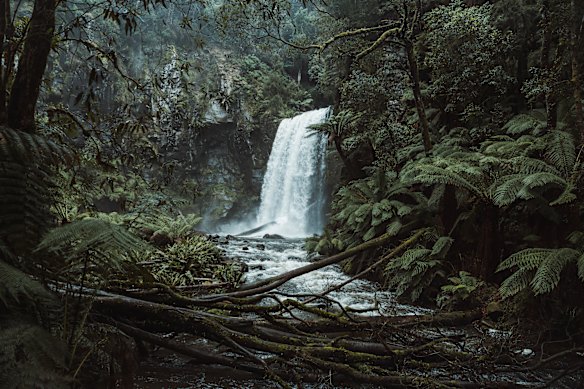
Why Do you like to combine your wilderness with a bit of surf? Tucked away behind Victoria’s rugged south-west coastline, the Great Otway National Park serves up tall trees, tumbling waterfalls, fern-packed valleys and plenty of native species. The park is a delightful excursion for anyone driving the Great Ocean Road – and easily accessible from Torquay, Lorne and Apollo Bay. Hikers and mountain bikers alike will find much to enjoy in these temperate rainforests and shaded gullies. Other drawcards include the Californian redwood forest and the picturesque hamlets that pepper the Otway region.
See A canoe trip on Lake Elizabeth is a must-do with the lure of spotting a platypus in the wild (or at least some bubbles left by one). A visit to one of the many waterfalls, such as Hopetoun Falls or Beauchamp Falls, is an essential photo opportunity.
Walk The park offers several short trails but for something more demanding try the 6.5 kilometre Triplet Falls & Little Aire Falls Walk, which takes in stunning woodland and plenty of white water. The walk is rated easy to moderate and will suit anyone with reasonable fitness.
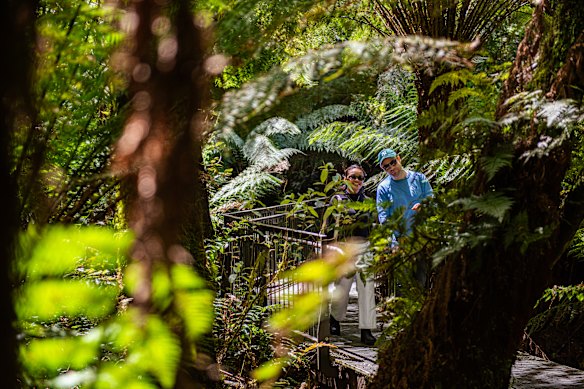
Stay There are several small camping sites in and around the park. Wye River Beachfront Campground is a popular option and comes with barbecues, hot showers and a laundry. Non-campers can book a luxury suite at Sunnymead, a private hotel in Aireys Inlet with a day spa and heated swimming pool. See greatoceanroadparks.com; sunnymeadhotel.com.au
Know The park is a 211-kilometre drive from Melbourne and is best reached by car, although some campsites are only accessible by four-wheel drive. Spring and summer are best for hiking. Expect to see some evidence of the bush fires that swept through the park in January 2026. See parks.vic.gov.au
Barrington Tops National Park, NSW
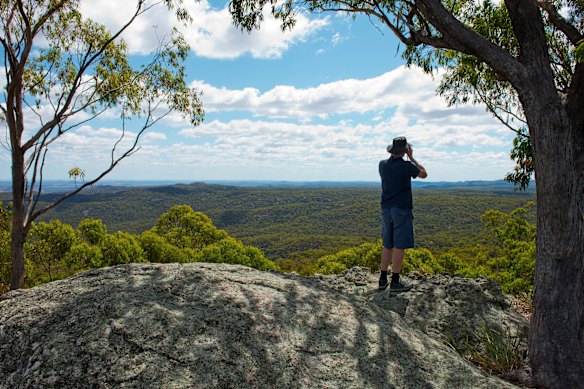
Why If you crave solitude and birdsong in a pristine upland that offers temperate rainforest, stunning views and challenging hiking trails, then look no further. Barrington Tops National Park, part of the Gondwana Rainforests of Australia World Heritage Area, is a region of international significance. Its location, 260 kilometres north of Sydney, ensures the park is free from day-trippers and coach parties. There is plenty of bush camping, but nearby Gloucester offers motel and guesthouse accommodation.
See Rising to a height of 1500 metres the Barrington Tops is celebrated for its glorious views, so make sure you visit Devil’s Hole Lookout, Thunderbolts Lookout or Carey’s Peak Lookout. The Barrington River is another highlight and a favourite spot for canoeing and kayaking.
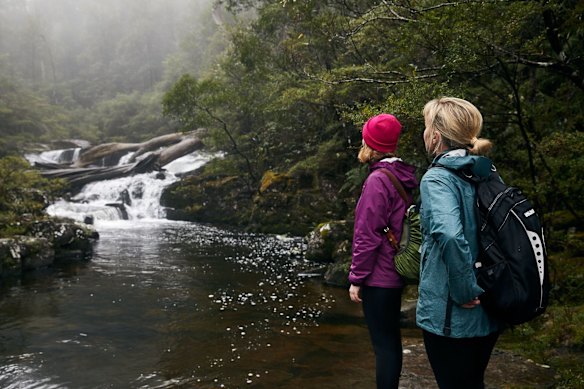
Walk Starting from the Gloucester Falls parking area the seven-kilometre Barrington Tops Circuit is an excellent introduction to the glories of this ancient Gondwana rainforest. This walk takes in snow gum woodland, cascading falls and Antarctic beech forest, with a good chance of spotting kangaroos and wallabies along the way.
Stay There are six National Parks and Wildlife Service camping sites to choose from, but most are suitable only for well-equipped campers. Sites usually offer toilets, barbecue facilities and water. Gloucester River campground is the best option for families with young kids. Alternatively, Barrington Riverside Cottages provides family-friendly accommodation and plenty of farmyard fun. See barringtonriversidecottages.com.au
Know The park is a four-hour drive from Sydney. The condition of unsealed roads inside the national park can vary depending on weather. The ideal times to visit are spring and autumn. Campers should watch out for feral horses, pigs and foxes. See nationalparks.nsw.gov.au
Ikara-Flinders Ranges National Park, South Australia
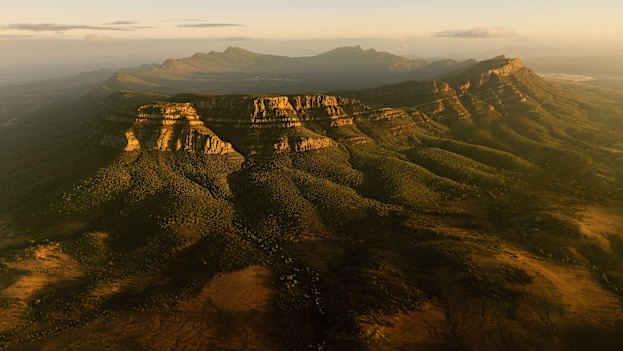
Why Fanning out from Wilpena Pound amphitheatre, Ikara-Flinders National Park is the jewel of outback South Australia. The park, 430 kilometres north of Adelaide, delivers everything you could possibly desire from an outback adventure: ancient rock formations, giant river gums, atmospheric homesteads, red dirt and spectacular sunsets. Often likened to Uluru in its grandeur, Wilpena Pound is a truly astonishing place with good hiking trails, fascinating geology, colonial ruins and abundant wildlife. Visitors can pitch a tent or plump for something more indulgent. Apart from hiking, the park offers scenic flights, Aboriginal-led cultural tours and a chance to bed down on a real sheep station. Make time to visit Parachilna’s Prairie Hotel, famous for its feral mixed grill.
See Given the national park’s immense size it’s not surprising that Wilpena Pound is the superstar here. The natural amphitheatre contains a rather dated resort, excellent campsite and useful visitor centre, plus many hiking trails. The pound is teeming with kangaroos and emus.
Walk The Mount Ohlssen Bagge Hike is a challenging half-day walk to the rim of Wilpena Pound. This 6.4-kilometre trail begins at the visitor centre and offers plenty of steep, rocky climbing. Hikers are rewarded with fine views of the pound and the surrounding desert landscape. Please note: the trail is closed from December to March.
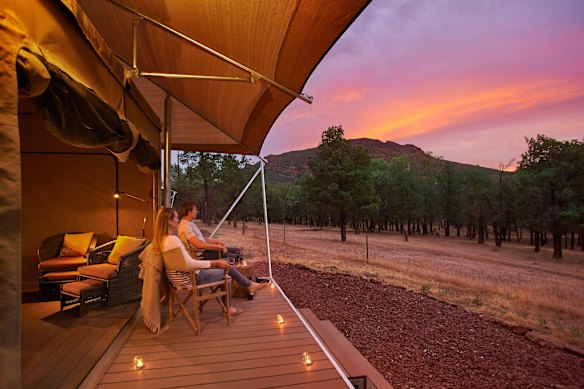
Stay Discovery Resorts, Wilpena Pound has camping sites, motel-style rooms and swish glamping tents. The resort is popular with Adelaide locals and tourists alike. For something more exclusive, nearby Rawnsley Park Station has a range of accommodation, guided walks and four-wheel drive tours. See discoveryholidayparks.com.au; rawnsleypark.com.au
Know Wilpena Pound is a five-hour drive north of Adelaide. In the high season, shuttle bus services run from Hawker and Port Augusta, but it’s best to have your own vehicle. The summer heat is extreme, so visit between April and October. See parks.sa.gov.au
Lamington National Park, Queensland
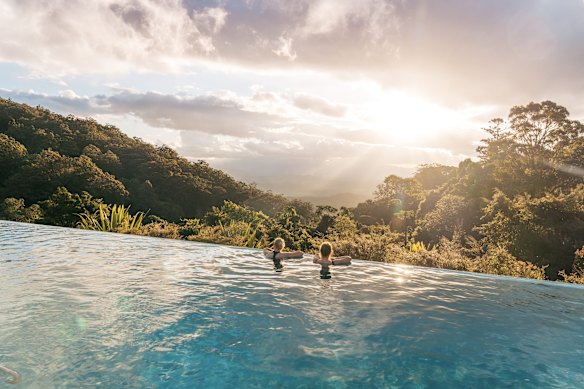
Why Take a break from the glitz and excess of the Gold Coast and venture into the cool, mountainous hinterland. Founded in 1925, Lamington National Park covers an eye-watering 20,600 hectares. The distinctive landscape dates back 225 million years. Expect to find lush rainforest, dramatic waterfalls, glow worm caves and an abundance of native species, including rock wallabies, whipbirds and lyrebirds. Most visitors are day-trippers, but the park has much to delight serious outdoor types with 160 kilometres of walking trails and good bush camping. There are guided tours and talks available for those who are nervous about exploring this ancient wilderness by themselves.
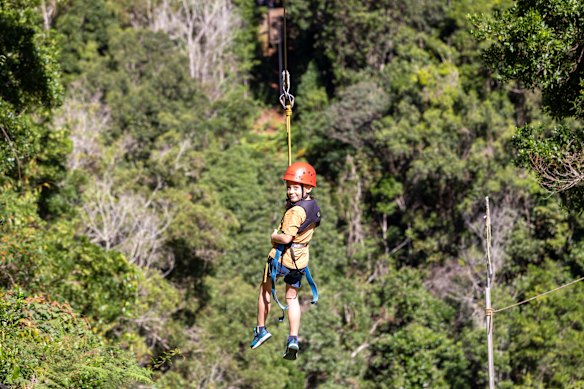
See The park is divided into two main areas: Green Mountains (O’Reilly’s) and Binna Burra. Both offer great bushwalking, waterfalls and sweeping views. For adrenaline junkies, Happitat Adventure Park has rock climbing, tightropes, ziplines and other thrills. See happitat.com.au
Walk There are plenty of light rambles in the park, but serious hikers should tackle Coomera Circuit, a 17.4 -kilometre loop that traverses dense rainforest and lush gorges plus multiple crossings of the Coomera River. Allow between five and seven hours to complete this hike.
Stay There are several off-track camping areas, such as Lost World and Running Creek, but beginners should plump for O’Reilly’s Campground, which offers basic sites, glamping options and modern facilities. Or book a chalet at Pat’s Farm. See parks.qld.gov.au; patsfarm.com.au
Know The park is a 90-minute drive from the Gold Coast, but public transport is limited so you will need a car. Despite its benign appearance, this is a wilderness so stay on the marked trails. Spring and autumn are ideal for hiking, but winter is also pleasant. See experiencegoldcoast.com
Mount Field National Park, Tasmania
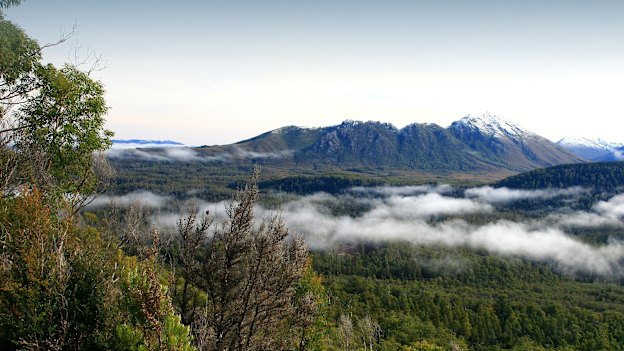
Why So much of Tasmania is national park that choosing a favourite is agonising. In fact, the state’s national parks and reserves cover about 40 per cent of the island. Mount Field National Park, just 82 kilometres from Hobart, is one of Tasmania’s oldest and most diverse national parks – celebrated for its high peaks, deciduous beech forest (fagus), waterfalls and distinctive alpine flora. While lacking the grandeur of Cradle Mountain, Mount Field offers a more intimate and relaxed way to experience the great Tasmanian wilderness.
See Known as “the park for all seasons”, Mount Field is best-known for the three-tiered Russell Falls, Mount Mawson Ski Field and its many alpine lakes. Locals flock here each autumn to witness the deciduous trees change colour. The park offers short walks that will suit first-time hikers.
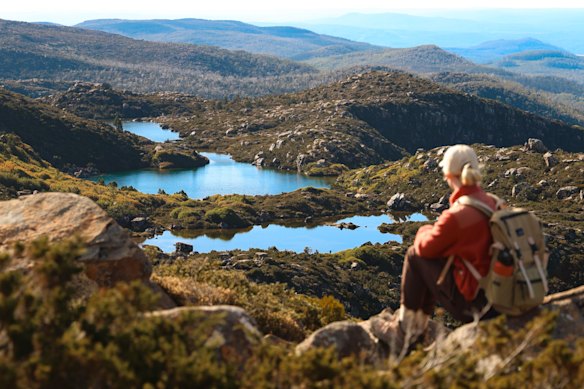
Walk More experienced walkers should tackle the 12-kilometre Tarn Shelf Circuit that showcases the park’s alpine scenery and follows a chain of glacier-carved lakes. Allow between five and seven hours for this one.
Stay Warped and faded by time, Mount Field Government Huts provide the ideal base from which to explore this alpine wonderland, but don’t expect any mod cons. For something less primitive, Mount Field Retreat has 12 accommodation pods with hot showers, galley kitchens and comfy beds. See parks.tas.gov.au; mtfieldretreat.com.au
Know Driving time from Hobart to the park is around one hour. Gray Line offers full-day coach tours to the park. The Tasmanian climate is notoriously changeable, so come prepared and stick to designated walking tracks. Summer is the best time to be here. See discovertasmania.com.au
Leeuwin-Naturaliste National Park, Western Australia
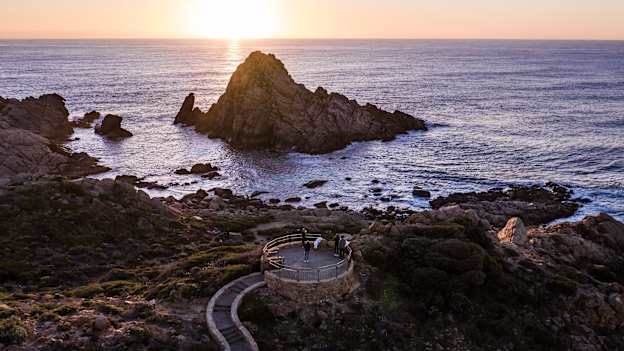
Why Stretching from Cape Leeuwin to Cape Naturaliste, this park is a beguiling mix of wild coastal beauty, granite outcrops, limestone caves and old growth forest. Some 250 kilometres south of Perth, this park is a companion piece to the nearby Margaret River wine region. Bird watching, caving, snorkelling, fishing and surfing – the list of activities on offer at this park is eye-watering. But for hikers the main prize is the 130-kilometre Cape to Cape Track that takes in surf beaches, karri forest and dramatic clifftops. If you can’t manage the five to seven days required to complete this epic walk, the park has a wealth of other shorter trails. Just leave time for some wine tasting before heading home.
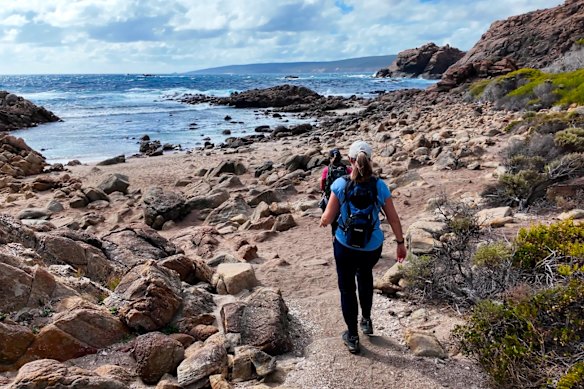
See Major drawcards include caves (Ngilgi, Lake and Mammoth are the best-known), beaches (don’t miss Hamelin Bay), Boranup Forest and the historic lighthouses at Cape Leeuwin and Cape Naturaliste. The crystal-clear ocean here is home to dolphins, whales and stingrays.
Walk For a gentle introduction to the park’s coastal beauty consider the 3.6-kilometre Bunker Bay Loop Walk. The track starts and ends at the Cape Naturaliste Lighthouse, near Dunsborough, and offers plenty of great ocean views and a side trip to Shelley Cove. Whales can be seen between June and December. Allow 90 minutes.
Stay The WA parks authority operates four small camp sites including the rustic Jarrahdene Campground which is surrounded by jarrah, marri and peppermint trees. Non-campers can book into Hamelin Bay Holiday Park, which has fully equipped oceanfront cottages at reasonable prices. See exploreparks.dbca.wa.gov.au; hamelinbayholidaypark.com.au
Know Driving time from Perth to the park is around four hours. Unless you book a guided tour, you’ll need a vehicle. The best time to visit is spring for wildflowers and whale watching. Avoid school holiday when accommodation is heavily booked. See westernaustralia.com
Tjoritja/West MacDonnell National Park, Northern Territory
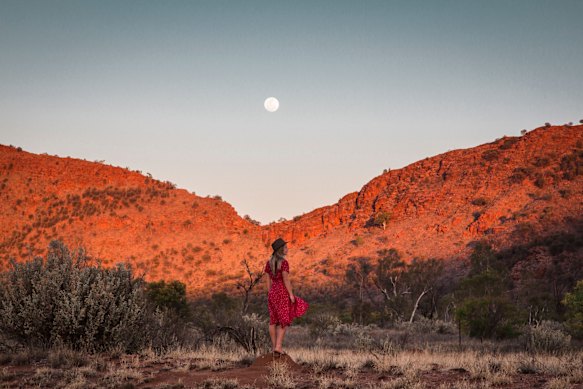
Why There is much more to this park than the 223-kilometre Larapinta Trail, one of Australia’s greatest hiking adventures. Desert landscapes don’t get much more thrilling than this. The park is dotted with permanent waterholes, ochre pits and dramatic gorges. Just 8.7 kilometres from Alice Springs, Tjoritja (pronounced choor-it-ja) has a powerful connection to the local Arrernte people and is teeming with native wildlife, including wallabies, euros, falcons and parrots. Hikers will find a good choice of short and longer walking trails. The Larapinta Trail itself is divided into 12 sections of varying lengths but should only be tackled by fit, experienced and well-equipped hikers. Alternatively, hop on your mountain bike and take on the 17-kilometre Simpsons Gap Bicycle Path.
See Major attractions are Simpsons Gap, Standley Chasm and Ormiston Gorge, which can all be seen on a day trip from Alice Springs, but the park will reward those who have the time to camp out. Note: the park covers an enormous area, so you will not see everything in a single trip.
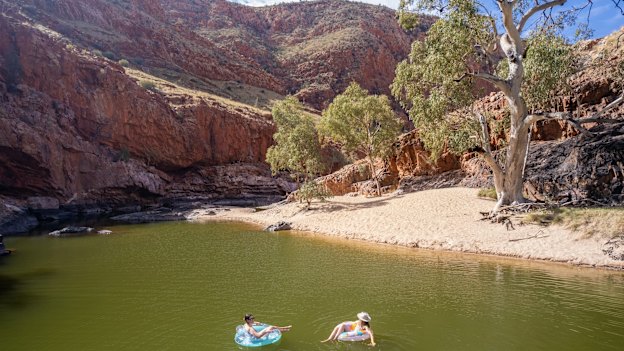
Walk Confident hikers will love the 30.6-kilometre Mount Giles walk, which traverses Ormiston Pound and Mount Giles. The return trip will take two to three days and covers some tough but spectacular terrain. You will need to carry a tent, maps and plenty of water. This is one of three overnight walks available in and around Ormiston Pound.
Stay Ormiston Gorge Campground is a privately-owned site that offers clean, modern facilities, a small kiosk and a ranger station. The gorge has a popular waterhole, abundant wildlife and good day walks. The campground is popular with families. Always book ahead. See nt.gov.au
Know The park stretches for 161 kilometres west of Alice Springs, so choose a preferred base if you plan a multi-day visit. Central Australia has an unforgiving climate, so speak to a park ranger before undertaking longer hikes and let them know of your plans. northernterritory.com
Namadgi National Park, ACT
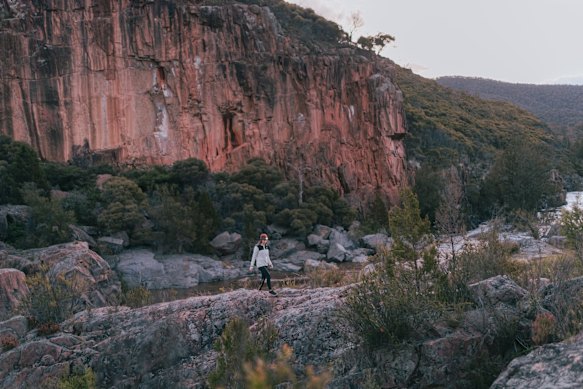
Why At the northern end of the Australian Alps, Namadgi is the only national park in the ACT, but it’s a whopper, covering some 106,095 hectares. The park is a playground for Canberrans who come here to hike, fish, rock climb and mountain bike. Hikers will find a good choice of rugged walking trails. The region’s traditional custodians are the Ngunnawal people and there are several important rock art sites and objects in the park. Namadgi is celebrated for its native wildlife and visitors can expect to see kangaroos, wombats, echidnas, lyrebirds and wedge-tailed eagles. Just 60 kilometre south of Canberra, the park offers a decent range of camping grounds and historic bush cottages for those who want to fully explore its attractions.
See The terrain mostly consists of alpine and sub-alpine mountain bushland, but at higher altitudes there are sphagnum bogs that feed the ACT’s water supply. The park supports a rich diversity of flora and fauna, including rare species of frogs, reptiles, birds and fish.
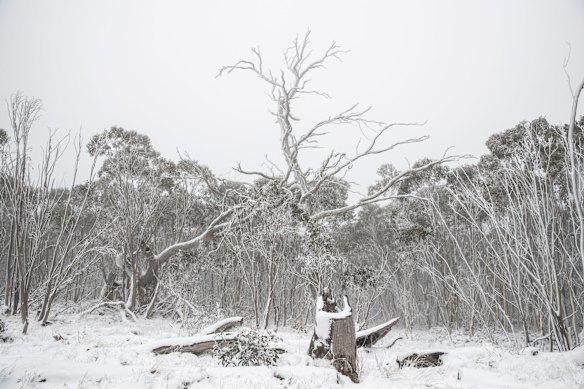
Walk The scenic four-kilometre Yerrabi Track provides a good physical workout and serves up a variety of landscapes, from swampy grassland to dry forest and granite outcrops. The trail begins at the Yerrabi car park, off Boboyan Road, and should take about two hours.
Stay For total seclusion head for Mount Clear Campground, said to be the remotest camp site in the ACT. The campground is suitable for tents only and offers basic facilities. For something a little more insulated the historic two-bedroom Nil Desperandum cottage is popular. Access is by four-wheel drive and all-wheel-drive only. See parks.act.gov.au
Know Public transport to the park is limited, so visitors will need a car. Driving time from Canberra is 45 minutes. Autumn is the best time for hiking, offering sunny days and cool nights. visitcanberra.com.au
Six more great Australian national parks
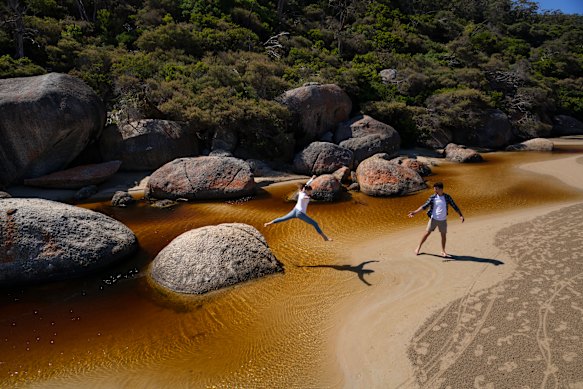
Wilsons Promontory National Park
A hop, skip and jump from Melbourne, this compact ocean-fringed park blends delicious scenery, abundant wildlife, surf beaches, good walking and whale watching. Visitors can visit remote beaches and see wombats, kangaroos and emus in the wild. The park borders Victoria’s marine park. There are several day-walks available, plus the more challenging Southern Circuit Overnight Walk. See parks.vic.gov.au
Kosciuszko National Park, NSW
This alpine wonderland needs no introduction for skiers and snowboarders, but once the snow melts the park is a happy hunting ground for hikers, mountain bikers, horse riders, kayakers and other outdoor types. Hike to Australia’s highest peak, Mount Kosciuszko, plunge into the thermal pool at Yarrangobilly Caves, ride down the Cannonball Downhill Trail or try high-country camping. See nationalparks.nsw.gov.au
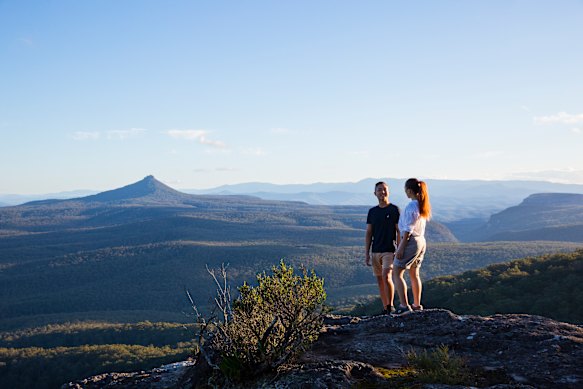
Morton National Park, NSW
Spice up your trip to the Southern Highlands with a few days in the state’s best-kept secret. Morton National Park is a paradise for hikers, mountain bikers and campers. Apart from Fitzroy Falls and Pigeon House Mountain, the park offers challenging hiking and biking trails, plus wonderful bush camping. The 30-kilometre Fitzroy Falls to Kangaroo Valley cycling route is a great weekend adventure. See nationalparks.nsw.gov.au
Myall Lakes National Park, NSW
If you’re looking for wild surf beaches, sand dunes and, yes, lakes, this is your dream destination. In fact, the park, on the NSW north coast, offers some 40 kilometres of pristine beach, mostly people-free. Myall Lakes is a magnet for boaties, canoeists and anglers, while hikers will enjoy the Mungo Rainforest. Treat yourself to a few days at Seal Rocks Lighthouse Cottages. See nationalparks.nsw.gov.au
Murray-Sunset National Park, Victoria
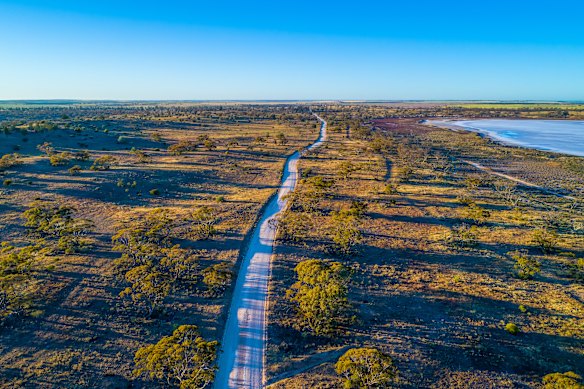
Known for its big skies and pink lakes, this park occupies the north-west corner of Victoria. Given its location, canoeing, boating and fishing are all popular, but the park is also home to an astonishing range of birdlife, including mallee fowl, parrots and emu-wrens. Guided tours of the pink lakes are available. Accommodation ranges from bush camping to slightly more comfy shearer’s quarters. See parks.vic.gov.au
Mount Buffalo National Park, Victoria
Some 350 kilometres from Melbourne, this national park provides a stimulating introduction to Victoria’s high country. The compact park is a favourite with rock climbers, kayakers, anglers and hikers. Mount Buffalo is widely regarded as having the best rock climbs in the country. Hard-core adventure types will also enjoy remote camping at Rocky Point and Mount McLeod campsites, which are located above 1400 metres. See parks.vic.gov.au
Agree or disagree? Did we miss a national park you love? Share your thoughts in the comments below.

















































