3 months ago
27
3 months ago
27

January 25, 2026 — 1:56pm
You certainly can’t call it jobs for mates.
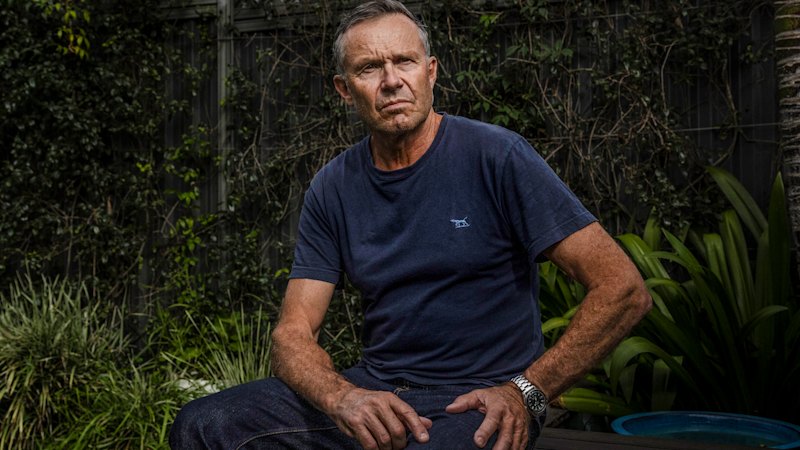
Anthony Albanese has decided to resist the temptation to appoint a fellow Labor traveller to the nation’s most prestigious overseas posting, instead sending a veteran diplomat, former Liberal staffer and seasoned public servant to advance Australia’s interests in Donald Trump’s Washington.
Choosing Greg Moriarty is a commendable decision, and a risk-averse one.
Since respected bureaucrat Dennis Richardson returned home from the US capital in 2010, both Labor and Liberal prime ministers have appointed a senior figure from their own side of politics to head Australia’s embassies in Washington and London. The prevailing thinking has been that you need to be a political animal with the prime minister’s ear to succeed in these cutthroat roles. So Labor governments sent two former leaders (Kim Beazley and Kevin Rudd) while the Coalition sent two heavy hitters (Joe Hockey and Arthur Sinodinos).
There was logic to this approach, but it relied on a standout candidate being ready and willing to take up the job. None of the former Labor ministers floated as a possible Rudd successor stood out as exceptional choices. Some – like former communications minister Steven Conroy – had made scathing comments about the US president, guaranteeing a repeat of the distracting focus on Rudd’s tweets blasting Trump.
Owing to his long career as a public servant, Moriarty has no social media posts to scrub nor remarks he needs to retract. As well as making him a safe choice for the role, this sets him up to succeed in Trump’s hyper-partisan and vindictive universe. Moriarty – a gravel-voiced, no-nonsense communicator – doesn’t have Rudd’s gravitas, but neither is he weighed down by his baggage. Washington already has a main character, and doesn’t need another one. A more low-key ambassador also makes sense now that Albanese has established a personal relationship with Trump and can, hopefully, get him on the phone when required.
“No wonder Greg Moriarty was renewed for another five years as Defence Secretary: he safeguards the Australian national interests & is a deeply trusted ally,” Patrick Cronin, the Asia-Pacific security chair at the conservative Hudson Institute, wrote when Moriarty visited Washington two years ago. His steady performance during a visit to the US capital last week – essentially an audition for the ambassadorship – helped seal the deal. Showing his skills as a professional diplomat, Moriarty told a top think tank that the US alliance was “more important than ever” and praised Donald Trump’s national security strategy as “reassuring” for Australia.
While Albanese hasn’t gone as far as appointing a former conservative politician to the post, he has admirably eschewed tribalism. As well as ambassador to Iran and Indonesia, Moriarty served as Malcolm Turnbull’s top international affairs adviser and chief of staff. He’s no Labor stooge. After serving as head of the Department of Defence since 2017, he knows the details of the AUKUS pact inside out and has built connections with key national security figures in Washington. Ensuring the Trump administration is focused on AUKUS will be his top priority, given the pact didn’t rate a mention in its just released National Defence Strategy.
Moriarty’s departure from Canberra will allow the Albanese government to put its own stamp on the Defence Department – a challenge as much as an opportunity. The government must now find a new department secretary, a head for its new Defence Delivery Agency, and a replacement for retiring Australian Submarine Agency boss Jonathan Mead, who is responsible for delivering AUKUS. Add to that, a new Australian Defence Force chief to succeed David Johnston.
For all the focus on whether the US will sell nuclear-powered submarines to Australia, many defence experts say the biggest AUKUS question mark is Australia’s own capacity to deliver on the infrastructure and workforce needed to make the pact succeed. With China on the rise and the US increasingly unreliable, the task of making the Australian military fighting fit will be even more important and difficult than exerting influence in Washington.
Cut through the noise of federal politics with news, views and expert analysis. Subscribers can sign up to our weekly Inside Politics newsletter.