3 months ago
19
3 months ago
19
Ananya avoids public transport after dark. Other women with safety concerns do the same
Ananya Gaitonde has avoided catching public transport after dark since moving to Melbourne in late 2022.
Trains, trams and buses are the main modes of transport for the 25-year-old publicist, who doesn’t have a car. She uses the network almost every day, even though she doesn’t feel safe.
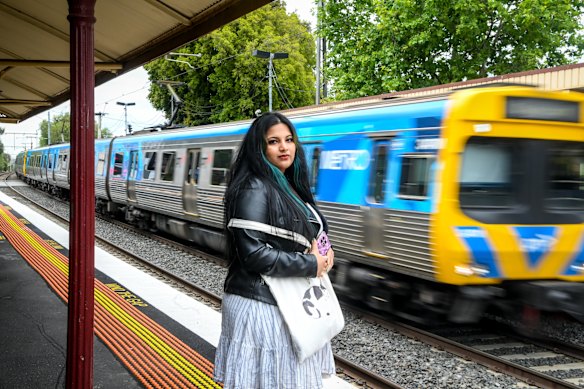
Like many women, Ananya Gaitonde avoids travelling on public transport at night. Credit: Justin McManus
Gaitonde said she had witnessed frightening instances of aggression and harassment on the network.
In one incident, an erratic person entered her train carriage and started intimidating a nearby passenger, before yelling, banging and spitting on the wall. Gaitonde was grateful to be with a friend at the time.
“Whenever I travel alone, I’m very on edge, and I try to avoid it as much as possible. I take a lot of Ubers,” she said.
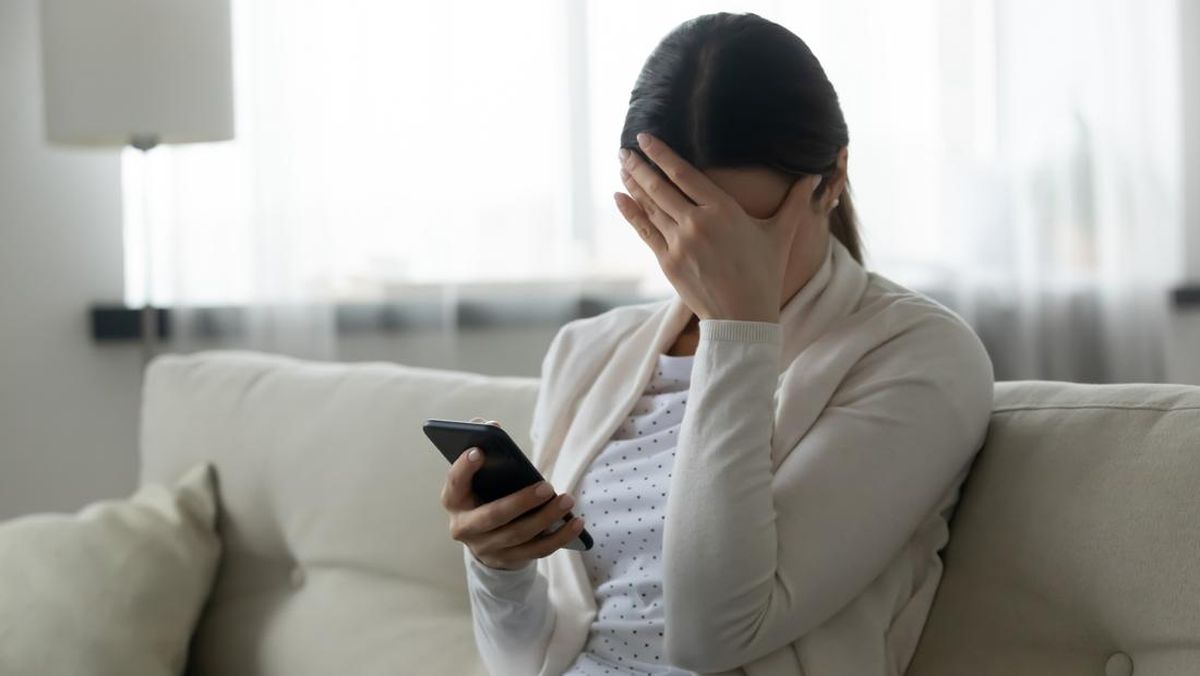
A new study from Monash University shows women frequently adopt precautionary measures to feel safer on public transport, particularly when they’ve previously been confronted with intimidating behaviour.
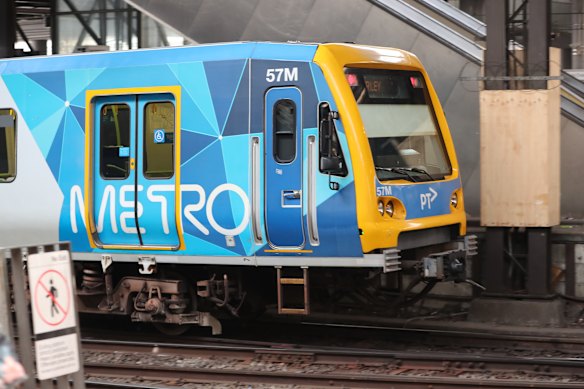
A study has found women frequently adopt precautionary measures to feel safer on public transport.Credit: Paul Rovere
Dr Rumana Sarker, the study’s lead researcher, said the precautionary measures included only travelling during the day, altering travel schedules or even avoiding public transport altogether.
Behavioural changes are particularly common among women who have personally experienced either verbal or physical harassment while travelling, according to the survey of more than 500 female train users.
Almost half of all the women surveyed said experiencing harassment had influenced their travel behaviour. Among them, 68 per cent said they travelled less now than before they were harassed. Women who faced harassment in their adolescence were 3.18 times more likely to reduce rail use in adulthood.
“It actually has a psychological effect on women’s mobility … and also their later use of public transport in adulthood. They become more anxious,” Sarker said.
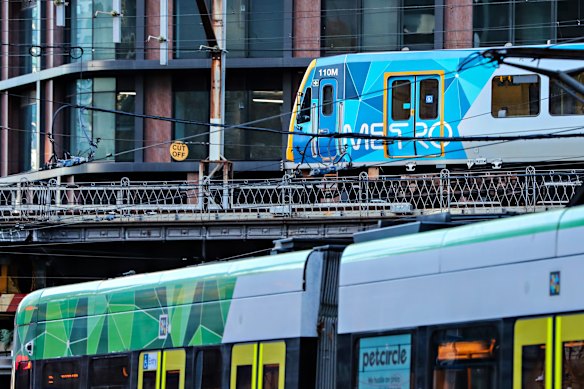
Instances of harassment on public transport is believed to be significantly underreported. Credit: Paul Rovere
While physical assault – which 16 per cent of the women said they had experienced while travelling – has a stronger impact on women’s perceived personal safety, verbal harassment is more common and its impacts tend to be downplayed, according to the study.
Sarker said she had personally experienced harassment while travelling on Melbourne’s public transport system, but did not report it because she did not believe it would result in any change.
A similar unwillingness to approach authorities was described by other women in the survey.
“For a sustainable future, operators should also think about women … maybe now it’s time to reimagine [safety mechanisms] and implement them, not only for staff but for passengers,” Sarker said.
Improving public transport safety has been identified as a priority by both police and the state government.
Victoria Police introduced a messaging tool in July 2022 to simplify the process of reporting unwanted behaviour on public transport. The STOPIT text message service has since received more than 6000 reports, including 1025 of unwanted sexual behaviour, and led to 60 arrests.
“We have an entire police division dedicated to keeping people safe on the public transport network, including women and girls,” a police spokesperson said.
“Sometimes people might think unwanted behaviour on public transport isn’t serious enough to report to police … STOPIT removes these barriers.”
A spokesperson for the Department of Transport and Planning said every traveller deserves to feel safe on public transport, and encouraged passengers to report instances of anti-social behaviour.
But Sarker criticised the efficacy of current reporting systems, which the study showed can act as a barrier against women disclosing harassment. She said STOPIT, which isn’t live monitored, is insufficient and that there should be a real-time emergency app.
“[Women] don’t trust those systems because they think nobody will take care of it … They want more staff presence,” Sarker said.
“We’re all talking about equitable transport [and] making transport safer for all … We have to look from the user’s perspective, rather than just looking from a top-down approach.”
Loading
The study recommended more youth-focused education programs to encourage safe behaviour and raise awareness about harassment on public transport.
Other suggestions included improving lighting and visibility at stations, implementing bystander awareness campaigns and considering diverse lived experiences when planning transport.
Gaitonde echoed calls for more staff to be focused on safety across the network. She suggested that authorised officers could take a more active role in providing support for passengers.
“I do wish I could feel safer. I moved to Melbourne from Hobart … and I never worried about that out there. I was so comfortable,” she said. “So it was a real contrast living in Melbourne after that.”
Start the day with a summary of the day’s most important and interesting stories, analysis and insights. Sign up for our Morning Edition newsletter.
Most Viewed in National
Loading