3 months ago
24
3 months ago
24

January 21, 2026 — 11:38am
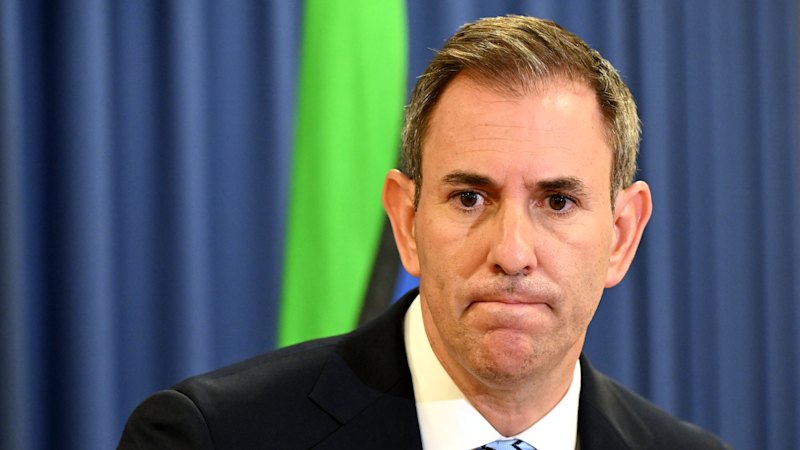
Prime Minister Anthony Albanese will not pursue racial vilification reform despite criticism from Labor MPs and the recommendation of his own antisemitism envoy, blaming his government’s abandonment of the changes on not being able to control the Senate.
The government drafted ambitious hate speech laws – a contentious area that previous governments have also failed to change – to crack down on the promotion of hate and racial supremacy following the Bondi Beach massacre.
But Albanese ditched the measures last week in the face of opposition from the Coalition, which refused to back them over free speech concerns, and the Greens, which wanted the focus on race to be expanded to protect other marginalised groups.
“The Senate is what it is, and if you can’t get support for these laws in the aftermath of a massacre, it is difficult to see people changing,” Albanese told reporters on Wednesday.
“I’m not sure how many senators we’ve got, but if you can add another 10 people, get them to join the Labor Party, then, you know, come back to me.”
Albanese said it was now “a matter of maths”.
“I’m a pragmatic political leader, I’m into getting real things done,” he said.
The government requires support from either the Coalition or the Greens to pass legislation through the upper house. Both the opposition and minor party criticised the government for the limited time they were given to examine the reforms, but Albanese repeatedly ruled out extending the deadline of Tuesday’s parliamentary sitting.
Frustrated Labor MPs who have long supported anti-vilification laws said on Monday that the hate speech laws were crucial to the legislation. One Labor member, speaking on the condition of anonymity to criticise Albanese, said: “The prime minister is going against the will of the caucus”.
The government also committed to the reform by promising to fully implement antisemitism envoy Jillian Segal’s report following the Bondi attack, which among other things recommended creating a serious vilification offence for the public promotion of hatred and antisemitic sentiment.
“We stood with the Jewish community to support the recommendations of the special envoy on antisemitism,” Albanese said. “It’s up to [the Coalition] to explain how it is that they called every day, demanded parliament to come back and pass these laws in a day ... when they saw them, they didn’t vote for them. They voted against them.
“The leader of the opposition has said that she had laws ready to go. We asked for those. We asked for those so they could be given to the Attorney-General’s Department to inform the work that was being done for this legislation. I’m yet to see it.”
Albanese is also facing a challenge from states on his gun reforms after the national buyback scheme was legislated on Tuesday. Queensland’s Liberal-National Party government on Monday said it would not participate in the scheme.
“I encourage states and territories to support this, what is now law as a result of the passing of the Senate legislation. But they’re accountable for their own decisions, and I had a constructive discussion with Premier Crisafulli last week. I disagree with his position, respectfully, and I don’t think it’s in the interests of Queenslanders or the nation to not have national uniform laws,” he said.
Cut through the noise of federal politics with news, views and expert analysis. Subscribers can sign up to our weekly Inside Politics newsletter.