3 months ago
20
3 months ago
20
AGL scraps offshore wind project off Gippsland coast
We’re sorry, this feature is currently unavailable. We’re working to restore it. Please try again later.
Energy giant AGL has aborted a proposal to build huge wind turbines off the Victorian coast, adding to doubts about the viability of Australia’s nascent offshore wind sector.
AGL, the largest Australian power generator, was part of a consortium that had secured a federal permit to investigate the feasibility of building wind farms off the Gippsland coast that could turn ocean wind into electricity and help compensate for the impending closures of ageing coal-fired power plants in the Latrobe Valley.
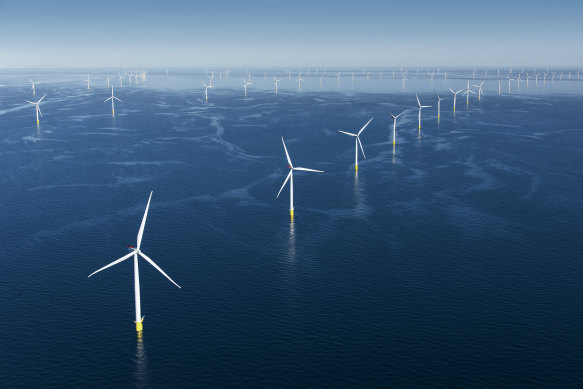
AGL has pulled out of an offshore wind farm in Gippsland which could have been like this Danish wind farm.
However, on Friday, the AGL-backed Gippsland Skies consortium became the third joint venture to walk away from early-stage studies for an offshore wind farm in Victoria and hand back its feasibility licence to the government. The company said it would instead prioritise investments in onshore wind farms, batteries, pumped hydropower and fast-response gas-powered generators.
In Australia and around the world, offshore wind projects have been hammered by rising interest rates, soaring equipment and construction costs, supply chain disruptions and the flow-on effects of major policy changes in the United States, where President Donald Trump has halted government support for projects and revoked permits.
Loading
AGL’s exit from the sector comes a week after the Victorian auditor-general said the state would not meet its 2032 target of having two gigawatts of offshore wind energy, a key plank of efforts to offset the closure of coal-fired power.
Delays to key projects were risking electricity shortages across Victoria and the market operator might need to safeguard the state’s supply, the auditor-general warned.
Governments have touted the promise of offshore wind farms helping advance the clean energy transition while creating hundreds of new construction and service jobs in coal industry regions such as the NSW Hunter Valley and Victoria’s Latrobe Valley, which face a downturn as ageing fossil fuel-powered generators reach the end of their lives.
Situating turbines way out at sea could also harness stronger and more reliable wind than land-based wind farms, proponents say, as well as reduce the risk of developments facing objections from nearby communities concerned about visual and environmental impacts.
The Victorian government has set a target to source about two gigawatts – or 20 per cent of the state’s total power needs – from offshore wind by 2032, before doubling it to four gigawatts by 2035 and nine gigawatts by 2040.
Loading
Gippsland Skies is the third project to collapse in Victoria following withdrawals of BlueFloat Energy’s Gippsland Dawn project proposed between Paradise Beach and Ocean Grange, and German energy giant RWE’s Kent project.
The Navigator North project, backed by Origin Energy, has also been put on hold. Nine offshore wind feasibility permits in the Gippsland region are still active.
Start the day with a summary of the day’s most important and interesting stories, analysis and insights. Sign up for our Morning Edition newsletter.
Most Viewed in National
Loading