
 3 months ago
46
3 months ago
46
The young croupier at the illegal casino was earning about $1000 a day from wages and tips. But the owner, who was also his father, was an expert at judging the odds.
“He told me many times, ‘Just remember this won’t last forever’,” Robert Wootton says.
His father was Charlie, the undisputed king of Melbourne’s illegal gambling world. An honest crook who broke the law while abiding by the rules.
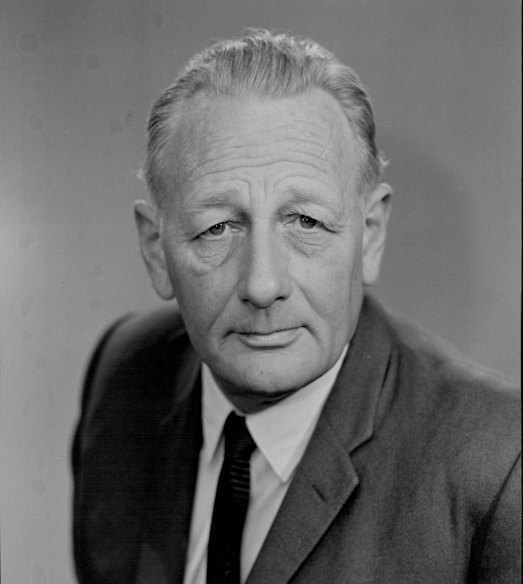
Robert Wootton was reflecting on his father, who has passed away after a long and extremely full life.
Charlie had 10 children from various partners, but Robert was the only one to follow him into the family business, which gave him a unique view of a world of gangsters, grandmothers and gambling.
Charlie was the last of his type. For decades, he provided a product required by the public – a place to gamble.
There was the Zorro Club in Ackland Street. “Dad rented places along the street so it could move when it got tropical [under police attention] including above a clothing shop, and the Commonwealth Bank. The Hungarian Club was above the ANZ Bank.”
Zorro’s would open at 10am for games of Red Aces (a gin rummy-style card game of skill) with $5, $10 and $20 tables. There were free sandwiches and tea and coffee. “You could stay all day.”
Baccarat (a blackjack-style card game) would dominate at night. Other games at various venues included Texas Hold ’Em, Manila, and Russian Poker.
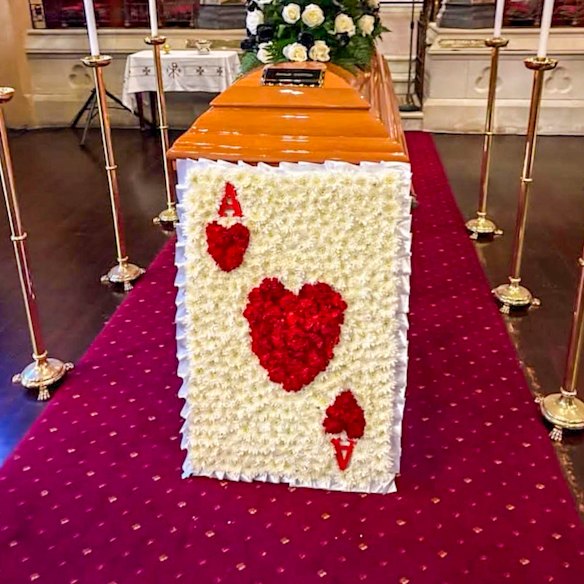
“It was Red Aces that paid the rent,” says Robert.
There was a table of five elderly women playing Baccarat. “There was a Jewish woman, Leah, Lebanese sisters Silvia and Gemelle and two Australians, Elsie from Chelsea, smoking her Styvos, and Edna, the oldest – she was 90.
“Dad would organise a car to take them home,” says Robert.
He did more than that. He organised and paid for the five to have a holiday at his Gold Coast apartment. However, the trip ended tragically. Three of the women were hit by a car while crossing the road and one died from her injuries.
“Dad never got over that.”
Charlie was a contradiction. Comfortable in the company of killers, he wouldn’t let anyone swear in front of women.
His gambling houses became favourite haunts for politicians, lawyers, actors, sports identities and well-behaved crooks. But not heroin dealers or pimps. “He hated them. If he saw one he would get someone to tell him, ‘Give it a spell’.”
For years Zorro’s manager was Korean War veteran Johnny Nobbs, who would open the club on Christmas Day to feed the homeless.
“He was strong as an ox. When people asked him for a loan he would pull his pockets inside out to show he was skint. One guy asked, ‘What about your leg?’
“He took it off and shook out rolls of cash.”
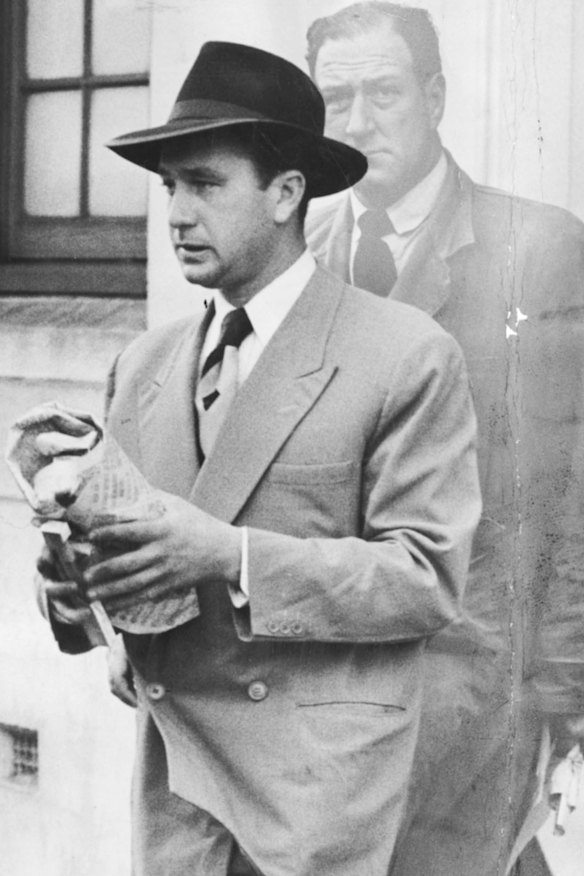
Charlie did his best to avoid headlines but was on page one as a teenager, connected to a payback killing on the docks.
On February 6, 1958, gangster Freddie Harrison pulled up at South Wharf in his 1953 Ford Customline to pick up his pay he hadn’t earned and return a trailer he didn’t own. As he was uncoupling the trailer, in the shadows of the ship the River Murchison, a gunman aimed a shotgun, saying, “This is yours, Fred”, and shooting his target in the head.
There were 30 men near the car yet no one apparently saw anything. About 12 potential witnesses declared they were in the toilet at the time. It was a two-man toilet. One witness who was helping uncouple the trailer said that when he heard the shot he turned his head left. The gunman was on his right.
Charlie Wootton, aged 14, was searched on the dock by a policeman. He was carrying a cardboard box of 12-gauge shotgun shells. There were 22 shells in the box and two in Charlie’s pockets. The box originally had 25 shells. The missing one was discharged into Harrison’s head
Charlie remained silent and the killer, John Eric Twist, was never charged. Twist was present when Charlie’s stepfather, Harold Nugent, was shot and wounded by Harrison, and this was payback.
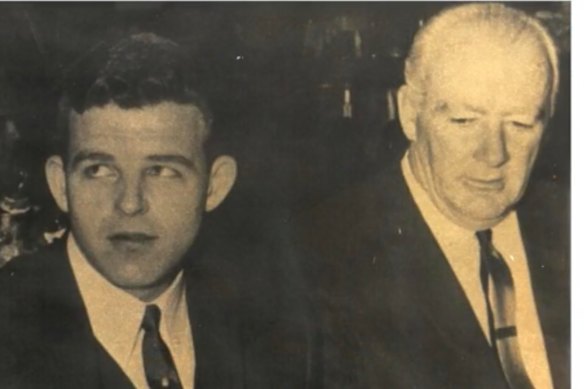
The teenager’s mother ran the dockside tea stall near where the River Murchison was docked.
Years later Charlie would inherit the Zorro Club from its owner, Jim Nugent, Harold’s brother.
“Harold had a thumb and little finger on one hand – the rest were shot off by Harrison. Harold was a hard man,” says Robert.
“Dad never spoke about that. But that’s where he got his reputation.”
Charlie disappeared for months after the Harrison murder. The closest he came to talking about the episode was when the family headed to Rosebud from Brighton for their summer holidays.
“When we passed Seaford he would point at a street and say, ‘That’s where I stayed in smoke [out of sight].’ He was kept between the highway and Seaford beach. There was a little alcove in there, and that’s where he spent his holiday, a few months there.”
Charlie grew his gambling business – knowing the day would come when he would close, when the government finally permitted a legal casino.
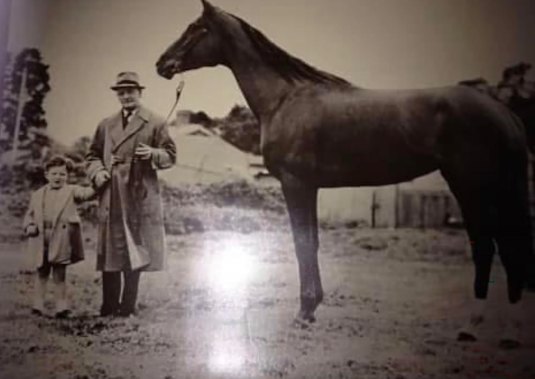
“There was no animosity [to police raids]. Dad said they had a job to do,” says Robert.
One raid was a smashing success after Charlie established a Russian Poker game in a fortified penthouse in Beaconsfield Parade, St Kilda. Patrons and staff heard noises on the roof and movie stuntman Louis “The Jaw” Trifunovic (he was one of the expert horse riders in The Man From Snowy River ) went out on the balcony to investigate.
In a true Hollywood moment, the police special operations group abseiled down, smashing through the windows into the plush apartment. That was the end of the Russian Poker nights.
It was a time of characters that could have walked out of a Damon Runyon story. There was Big Misha, the friendly doorman at a local speakeasy down the road from the Zorro; Bronco, who made a living selling fake designer watches at pubs; and Terry the Kid, a legendary punter.
Charlie set up a high-rollers casino in St Kilda Road. “There was a beautiful roulette wheel imported from Las Vegas. There was blackjack and a dice cage. It was raided in the first week. Alwyn Kurts [the veteran actor from the TV series Homicide] and quite a few politicians would go there,” says Robert.
In one way it was a game. It was legal to play cards, but it was illegal to bet on cards. This meant if the doorman thought potential customers were plain-clothed police he would press a warning buzzer and the cash, plus the gaming ledger, would disappear.
By the time police arrived there were groups, sitting at tables sipping tea and watching the television in the corner.
If police did catch them, the patrons were fined for being in a common gaming house and the croupiers a little more.
“The fine was around $10, and we always covered it for them,” says Robert.
Anyone who lost at the tables would be given enough money to get home and to cover breakfast the next day. It was called a fare.
There are quite a few war stories. Maltese Joe – a croupier at the Cyprus Club in Lonsdale Street – would tell how they would brush off plaster dust on the felt card tables only to be raided by the special duties gaming squad.
“It was your dad [Fred Silvester] who had been hiding in the roof. He said he had drilled a hole in the ceiling to observe,” Robert tells me. “There was no more feared gaming copper than Fred Silvester.”
There was a tobacconist on the ground floor. The squad had arrested him on bogus charges and while he was being interviewed stole his keys to get one made to open the front door of the building. From there it was easy to slip in at night and hide in the ceiling.
Playing the odds, Charlie twice won Tattslotto and was warned off the harness races after rigging quadrella races.
That would not stop him placing bets. He would sit in his luxury car at the track car park with bookie runners taking the bets from the driver’s window.
When he was flying, he owned a house in Brighton’s golden mile and a Rolls-Royce.
“He left it unlocked because he said they would do more damage trying to break in,” says Robert.
When in 1991 the state government introduced pokies and announced the establishment of a massive casino, Charlie knew it was the end.
“He told me it was time for me to get a real job,” says Robert, who is now a supermarket manager.
The government, now with a financial interest in legal gambling, introduced massive fines to wipe out the illegal opposition.
Charlie Wootton serviced an existing demand. Gambling now is a ruthless business based on expansion.
Charlie would see someone spending too much and advise them to “give it a spell”.
He didn’t follow his own advice and became a gambling addict, known to punt $100,000 on one harness race.
He lost a fortune and died at the age of 84 on April 14.
We will never see another like him.
John Silvester lifts the lid on Australia’s criminal underworld. Subscribers can sign up to receive his Naked City newsletter every Thursday.

















































