
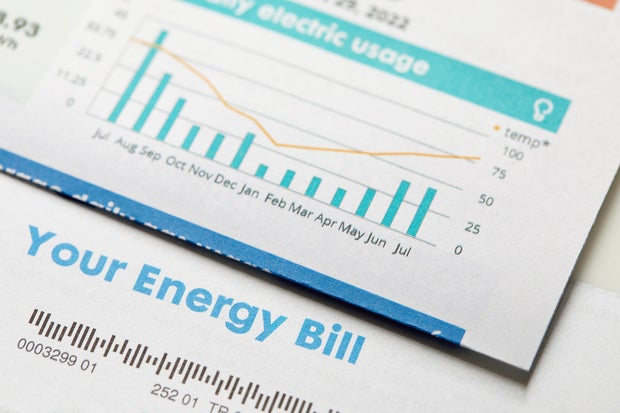
 It makes sense to be strategic about how you manage HVAC energy expenses in today's economy.
Tetra Images/Getty Images
It makes sense to be strategic about how you manage HVAC energy expenses in today's economy.
Tetra Images/Getty Images
Utility costs have remained stubbornly high over the last few years, and as inflation climbs, so do the costs tied to heating and cooling a home. What that means is that heating and cooling expenses are now taking up a larger share of people's monthly budgets and that's especially true for those with older HVAC systems that struggle to keep pace with rising temperatures. Add in the other issues, and it makes sense to look for ways to lower your energy bills. Lots of homeowners are hesitant to do that, though.
After all, the general assumption is that lowering your energy bill requires you to endure uncomfortable indoor temperatures. That isn't always the case, though. In many situations, energy waste isn't caused by one major issue but by a series of smaller inefficiencies that quietly drive up costs over time. Air leaks, clogged filters, poorly calibrated thermostats and outdated maintenance habits can all force HVAC systems to work harder than necessary. The result is often a higher bill without a noticeable improvement in comfort.
At the same time, it makes sense to be more strategic about how you manage household expenses in today's tough economic landscape. So, rather than immediately jumping to a costly HVAC replacement, you may want to try a few practical ways to improve efficiency while extending the life of your current system instead.
Learn how ARS can help you keep your HVAC energy bills in check now.
5 ways to cut your HVAC energy bill without sacrificing comfort
Reducing HVAC costs doesn't necessarily require a major renovation or expensive equipment upgrade. Here are a few ways to lower your energy bill while still maintaining a comfortable indoor environment:
Upgrade to a smart thermostat
One of the simplest ways to improve HVAC efficiency is by installing a smart thermostat, according to ARS. These devices automatically adjust indoor temperatures based on your schedule, occupancy patterns and energy usage habits, helping reduce unnecessary heating and cooling throughout the day.
Many homeowners waste energy by cooling or heating empty homes for hours at a time, which is where a smart thermostat can help. Using this type of thermostat automatically scales back usage while you're away and restores comfortable temperatures before you return. Some models also provide detailed energy reports that help identify patterns contributing to higher utility costs.
Learn how ARS can help you get the most from your HVAC system today.
Replace air filters regularly
Dirty air filters are one of the most common and most overlooked causes of HVAC inefficiency. When filters become clogged with dust, pet hair and debris, airflow becomes restricted, forcing the system to work harder to circulate air throughout the home. That added strain can increase energy consumption while also putting unnecessary wear on HVAC components. In some cases, neglected filters can even contribute to uneven temperatures or reduced indoor air quality.
In turn, it's important to check your filters monthly and replace them every one to three months, depending on factors like pets, allergies and overall system usage. While the savings from a single filter replacement may seem small, maintaining proper airflow can improve efficiency consistently over time.
Seal air leaks around the home
Even a high-efficiency HVAC system can struggle if cooled or heated air is constantly escaping through gaps and leaks. Drafty windows, poorly sealed doors and attic air leaks can significantly reduce overall efficiency, forcing HVAC systems to run longer to maintain indoor temperatures.
Sealing these leaks is often one of the most cost-effective ways to reduce energy waste. Weather stripping, caulking and improved insulation can all help stabilize indoor temperatures while reducing the workload placed on heating and cooling systems.
In fact, you may notice improved comfort shortly after addressing leaks because indoor temperatures will become more consistent throughout the home. Rooms that previously felt too warm or too cold may begin to regulate more evenly without constant thermostat adjustments.
Schedule regular HVAC maintenance
Routine HVAC maintenance can help systems operate more efficiently while also reducing the likelihood of expensive repairs later on. After all, even minor maintenance issues can quietly increase energy costs if left unaddressed. Dirty coils, worn parts or improperly calibrated systems can all reduce efficiency while increasing monthly utility bills.
During professional tune-ups, technicians typically inspect refrigerant levels, clean components, check airflow and identify small issues before they become larger problems. Regular servicing may also extend the lifespan of an HVAC system, delaying the need for a costly replacement.
Use ceiling fans strategically
Ceiling fans don't lower room temperatures directly, but they can make spaces feel cooler by improving air circulation. That cooling effect often allows homeowners to raise the thermostat a few degrees without sacrificing comfort. Using ceiling fans properly can also reduce strain on HVAC systems, particularly in frequently used rooms.
During warmer months, fans should rotate counterclockwise to push air downward and create a cooling breeze. In cooler months, reversing the direction can help redistribute warm air more evenly throughout the room. While ceiling fans still use electricity, they generally consume far less energy than central HVAC systems. And, when combined with smart thermostat adjustments, they can become an effective part of a broader energy-saving strategy.
The bottom line
Cutting your HVAC energy bill doesn't always require dramatic lifestyle changes or major equipment upgrades. In many cases, you can improve efficiency and reduce monthly costs through a combination of smarter temperature management, routine maintenance and targeted home improvements. And because many of these strategies also improve airflow and indoor consistency, they can help maintain — or even enhance — overall comfort levels at the same time.
Edited by Matt Richardson

















































