3 months ago
16
3 months ago
16
Labor MPs are divided over proposed law changes designed to prevent a repeat of the neo-Nazi rally outside NSW parliament, with some saying the response might give groups such as the National Socialist Network a public platform for recruitment.
Since more than 60 neo-Nazis rallied in front of NSW Parliament on Saturday morning, Premier Chris Minns has outlined several potential legislative responses that he hopes to introduce to parliament “in the coming week”.
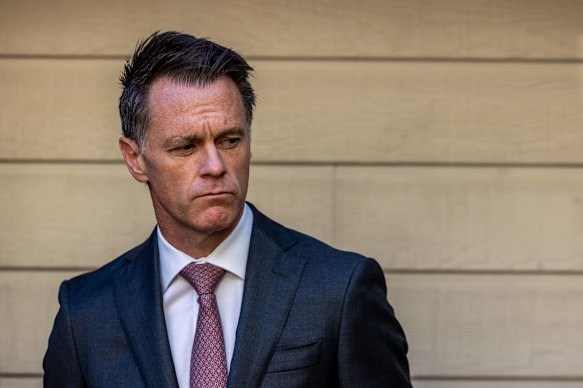
NSW Premier Chris Minns has outlined several legislative remedies in response to a neo-Nazi protest on Saturday.Credit: Sam Mooy
One has included making it easier for police to refuse approvals for neo-Nazi rallies, while also broadening existing legislation banning far-right symbols to cover slogans like “blood and honour” – a phrase chanted on Saturday that is associated with the Hitler Youth.
Two MPs, speaking on the condition of anonymity to discuss Labor policy, raised concerns the furore around the protest and the legislation in response effectively provided the NSN with the oxygen and recruitment marketing tool they craved.
One Labor MP questioned whether banning ever-changing slogans, symbols and insignia used by far-right groups was tantamount to “playing whack-a-mole”.
Loading
“Fundamentally, you can’t ban an ideology,” the MP said.
In an article earlier this year, University of Melbourne academic Liam Gillespie said this strategy of circumventing bans through the creation of new symbols and gestures was known as “hiding in plain sight”.
Germany, the birthplace of Nazism, had one of the biggest problems with far-right extremism despite having the harshest anti-Nazism laws in the world, one MP noted.
Other MPs argued the public display forced the premier’s hand. Minns could not be perceived as ignoring the issue, one argued, adding it was imperative to provide assurances that community members would be safe.
Loading
“We have an obligation to ensure people feel protected,” said a government backbencher, noting the images of Saturday’s rally were circulating widely across social media.
Another MP added: “On one hand, you don’t want to give them a sense of legitimacy and a platform, but equally you don’t want to see things like what happened on Saturday.”
Minns said on Saturday he wrestled with the dilemma of not wanting to “give these pissants more oxygen” but wanted to send the message that hatred and racism were unwelcome on Sydney streets.
“But the truth of the matter is, I’ve decided that if you give them an inch, they’ll take a mile.”
Katharine Gelber, a professor of politics and public policy at the University of Queensland, questioned the necessity of new legislation, saying police already possessed powers to prevent the rally or arrest group members under recently legislated racial discrimination laws, known as 93ZAA.
“Every time there’s a problem like this, governments throw a new law at it. But they don’t enforce the laws they already have. The protest on Saturday violated law 93ZAA. If they don’t understand that, new laws are performative, not substantive,” she said.
“I genuinely don’t understand how a group of black-clad Nazis with a sign saying ‘Abolish the Jewish lobby’ isn’t inciting hatred.”
Start the day with a summary of the day’s most important and interesting stories, analysis and insights. Sign up for our Morning Edition newsletter.
Most Viewed in Politics
Loading