3 months ago
43
3 months ago
43

As Australians, we all think we know Bali, but there’s a whole other world waiting to be discovered, if only we make the effort beyond the traditional flop, drop, Bintang and braiding approach to this piece of paradise.
The people who live there believe that too many visitors to Bali overlook fabulous sights, tastes, experiences, shopping, wellness havens, culture and more.
That could be anything from eating at the restaurant of a Balinese monk-turned-chef in Denpasar, to receiving a water purification ritual in Ubud; from joining locals for a dawn surf session in Canggu, to setting out on a cross-country mountain bike excursion at Mount Batur.
Then there’s the glamorous clothing store in Seminyak founded by Indonesian supermodels, Bali’s most beautiful waterfall, hidden in lush jungle valleys in the north, and a luxurious massage, local black rice and cinnamon detox scrub, volcanic Balinese clay mask and frangipani-filled bath in Ubud to finish the day.
Sign up for the Traveller Deals newsletter
Get exclusive travel deals delivered straight to your inbox. Sign up now.
“Bali deserves recognition not only as a tropical escape,” says passionate Bali local Mayang Adiyati Kusumadewi Heryadie. “But as a global design destination, a place where every purchase tells a story and supports creativity rooted in culture and community.”
While there’s a lot to be said for lounging by the pool or on the beach, as Mark Winson, a Canggu-based Australian, says: “I’d encourage anyone visiting Bali to dig a little deeper. Seek out an expert guide. Learn a new skill. Seek a fresh adventure. It’s all available and tremendously within reach.”
Often overlooked by visitors is the spiritual side of what’s often called the “Island of the Gods”. The ideal way to experience it, according to Gede Suteja, a general manager of Bali’s upscale COMO resort properties, “is by visiting local temples, attending a ceremony, exploring traditional villages, and supporting local artisans to contribute to the preservation of Balinese culture”.
Here, then, are six insightful, on-the-spot takes on doing Bali better by six people who live there and know this fabled Indonesian island better than most.
FOOD
Janet DeNeefe, restaurateur and event organiser
“My message to Bali visitors is, be adventurous, be brave. Go beyond satay and nasi goreng. There are many eating places and daggy warungs around the coast, offering simple and fabulous food, but people from overseas often worry about cleanliness. Yet, many places don’t have fridges, so the fresh food comes in, they cook it, and it goes out again. Instead, visitors will eat in food courts, up to their eyeballs in preserves. ‘Bali belly’ is often just a result of getting used to different food and flavours, so they should just drink coconut water instead of Bintang and arak. And Balinese chefs can be amazing. One of our most promising is Made Dhanu, who runs FED by Made in Seminyak. He worked in Melbourne for a while and does great Balinese food with a bit of a twist.
Ubud is the cultural capital and also where it’s all happening with food. As well as our restaurants, there’s Nusantara, which offers a wonderfully contemporary showcase of traditional Indonesian cuisine and Hujan Locale, with dishes inspired by traditional recipes made with locally sourced ingredients, from Bali-based Scottish celebrity chef Will Meyrick. They’re pretty cool. Go to those authentic Balinese warungs, too. When you see it, try nasi campur, which is rice with side dishes, and smoked duck is wonderful, as is the Kuta specialty, suckling pig. And drink green coconut juice, which keeps you hydrated, turmeric tonics and our coffee – it’s even better than Melbourne coffee.”
Janet DeNeefe, 66, is an Australian who lives in Ubud with her Balinese husband Ketut and their four children, running the restaurants Casa Luna and Indus, and the Honeymoon Guesthouse and Bakery, and directing the Ubud Writers & Readers Festival and the Ubud Food Festival. See casalunabali.com; indusbali.com; honeymoonguesthouse.com; ubudwritersfestival.com; ubudfoodfestival.com
SHOPPING
Mayang Adiyati Kusumadewi Heryadie, fashion and design devotee
“Bali deserves recognition not only as a tropical escape, but as a global design destination, a place where every purchase tells a story and supports creativity rooted in culture and community. Many products here are handmade, ethically produced and inspired by the island’s culture and natural beauty, yet they carry a fresh, international touch. Many visitors stick to the well-known markets or malls, but take time to wander through the side streets of Seminyak, Canggu, Pererenan and Ubud – you’ll discover small ateliers, concept stores and local brands that you won’t find anywhere else. Bali is a creative melting pot. People from all over the world bring their ideas, design sensibilities and cultural influences, blending them seamlessly with the island’s traditional artistry.
For stunning ceramics, I love Sari Api Ceramic Studio and Gaya Ceramic and Design, which both create timeless, handcrafted pieces in Ubud. For furniture and home decor, explore Jalan Gunung Tangkuban Perahu in Kerobokan, a treasure trove of local shops and designer studios offering everything from statement lighting to sculptural art and modern home accents. For fashion and resort wear, I love walking through Bali’s boutique districts such as Petitenget Street, Seminyak, for its upscale boutiques and lifestyle stores; Berawa & Batu Mejan in Canggu for a blend of bohemian charm and modern resort style; and Pererenan Beach Street, a rising destination for indie labels and sustainable designers. My go-tos are VERESA Resortwear and Paulina Katarina for chic, comfortable pieces I wear every day.”
Mayang Adiyati Kusumadewi Heryadie, 31, originally from West Java, Indonesia, has called Bali home for nearly a decade. She’s the founder of a boutique public relations agency, Press Communications PR. See presscommunications.co.id
CULTURE
Henry Scott, luxury hotelier
“I always encourage guests to experience Bali beyond the surface: join a dawn surf session with the locals at Echo Beach; visit Tanah Lot Temple at sunset; and explore the artisan villages in Ubud, join a local purification ritual in the Tirta Empul Temple, a 30-minute drive north of Ubud. Also take part in a traditional Balinese blessing for a truly spiritual connection, and of course, sample authentic Balinese food, from traditional warungs to refined takes on local dishes. Each experience reveals a layer of Bali’s living culture.
Bali stands out because its culture isn’t something visitors just observe; it’s something they feel. Daily rituals, community gatherings, temple ceremonies – they’re all part of everyday life here. There’s an incredible balance between deep spirituality and artistry that touches every detail, from architecture to hospitality. The best way to experience Bali’s cultural side is to engage with it genuinely – not as a spectator, but as a participant. We invite guests to connect with the island through traditional blessings, temple visits and surf sessions among locals, as well as hands-on encounters with Balinese crafts, cuisine and wellness rituals. While Bali is often celebrated for its beaches and beauty, its cultural depth is what truly defines the island.”
El Salvador-born and US-raised, Henry Scott, 45, is general manager of hotel COMO Uma Canggu. He has lived in Bali for over seven years, after previously working for the Marriott group, the AMAN group and NOBU Hospitality. See comohotels.com
NATURE
Emma Chandra, wildlife worker
“Although Bali is renowned for its beaches and resorts, the island’s true character lies in its volcanoes, lakes, rainforests and living rice-terrace culture known as subak. From mountain peaks and green valleys to quiet villages surrounded by rice fields, these landscapes show the deep connection between nature and the Balinese way of life, experiences that are peaceful, authentic, and unforgettable. Elsewhere, in Central Bali, we have lush highlands and cultural landscapes, like the Jatiluwih Rice Terraces at Tabanan, a UNESCO World Heritage Site showcasing the island’s traditional subak irrigation system, with sweeping rice fields and mountain views, as well as the Tegenungan Waterfall in Gianyar, a scenic, easily accessible waterfall near Ubud.
In northern Bali, there’s the Sekumpul Waterfall in Buleleng, often called Bali’s most beautiful, hidden in lush jungle valleys via a rewarding trek. To the east, there’s also Lake Batur and its hot springs, offering lakeside drives, kayaking, and restorative soaks. Western Bali is famed for its forests, like the West Bali National Park, wonderful for birdwatching, forest trekking, and mangrove walks, and Menjangan Island with calm waters and pristine coral reefs for snorkelling and diving. Visitors also shouldn’t miss the Mount Batur sunrise: book a licensed local guide, bring warm layers, a headlamp and sturdy shoes, and for the waterfall trails (Sekumpul/Munduk/Tegenungan), expect steps and wet paths, so have suitable footwear. Cycle from Kintamani to Ubud (downhill), try camping and glamping in the Kintamani highlands and Batukaru foothills for cooler temperatures and night skies.”
Emma Chandra, 37, from Bangli, Bali, has worked at Bali Zoo – home to more than 500 animals, including Indonesia’s endemic species such as the Sumatran tiger, Sumatran elephant, Bornean orangutan, and Bali starling – for almost 14 years. See bali-zoo.com
WELLNESS
Kathryn Romeyn, writer and author
“There’s a reason you meet Balinese masseuses at luxury hotel spas worldwide – they’re the best in the world, with the gift of healing touch and a genuine desire to make people feel good. These days, I take incredible and wonderfully strong Pilates reformer classes at the chic Studio Fondue in Uluwatu four times per week, have deep weekly physiotherapy fascia treatments at Fondue Recovery, weekly massages, and try many treatments all around the island regularly. Whatever you’re into, it’s surely being offered somewhere and typically at a more reasonable price than elsewhere in the world. My go-to for facials is Fields of Yarrow in Uluwatu – I especially love the gua sha and Vita C with oxygen treatments, and I recently melted my way through a very dreamy Mandi Rempah ritual at Amandari, near Ubud, which consisted of a massage, local black rice and cinnamon detox scrub, a volcanic Balinese clay mask and then a frangipani-filled bath which lasted about two hours, but the luxuriously slow pace made the pampering feel even longer. Four Seasons Resort Bali at Sayan’s Healing Village Spa, which reopened last October, is the very best place on the island to simultaneously feel in touch with the spirit, energy and culture of Bali. Other personal favourites include Nirjhara, with their top-notch massages, Raffles Bali, where you should ask for your treatment in The Sanctuary, and Potato Head, which has light sound vibration therapy that is really out of this world.”
American Kathryn Romeyn, 42, first settled in Bali in 2017, building her own house, and in 2023, built a new one next door with her architect husband and two small daughters. See balikalikubu.com
ACTIVE
Mark Winson, luxury surfing holiday company manager
“Bali’s one of the few places where you can surf perfect waves in the morning, hike a volcano by lunch, then go scuba diving in the afternoon. Look beyond the coastal glitter strip, dig a little deeper for authentic off-track experiences and seek immersive, small-scale experiences rather than rushing between tourist highlights. When the waves are flat, I’d recommend a mountain hike to experience jungle trails, waterfalls, rice paddies and even coffee plantations. Generally speaking, surfers put Bali on the tourist map way back in the 1960s. Nowadays, surfers have stretched further afield and Canggu has become an epicentre for surf culture, where the waves are more forgivingfor first-timers and intermediates.
Beyond the waves, Ubud is the epicentre for yoga, while further on is a cross-country mountain bike excursion from Mount Batur, which is fully vehicle-supported and a great introduction to off-road mountain biking. The full 35-kilometre tour starts 1200 metres above sea level and finishes by the beach at Canggu. The ride is mostly downhill and weaves through some of the most picturesque parts of Bali, including the Tegalalang Rice Terraces. Seek immersive, small-scale experiences rather than rushing between tourist highlights. For me, I like to stay active by staying at a resort where surf access is simple, like COMO Uma Canggu, which sits directly above Canggu’s best surf. ”
Mark Winson, 47, general manager of luxury surfing holiday company Tropicsurf, divides his time between Canggu in Bali and the Gold Coast. See tropicsurf.com Sue Williams has been a guest of Como Hotels and Resorts on Bali. See comohotels.com
BALI: AN ESSENTIAL ETIQUETTE GUIDE
Entering places of worship: Remember to remove shoes and dress moderately when visiting mosques: wear a sash and sarong at Bali’s temples.
Dressing and acting appropriately: Don’t display affection in public or talk with your hands on your hips. Avoid displaying a lot of skin, and, for women, definitely don’t go topless on the beach.
Taking photographs of the Balinese: Before taking photos or videos, it’s customary to ask the Balinese, or to mime the question, for their approval.
Offering and receiving with your right hand: The right hand is the respectful hand for giving, receiving, or touching sacred objects.
Observing and respecting offerings: Expressions of gratitude in the form of small woven offerings are placed outside homes, shops, and temples daily. Step around them rather than over.
Moderating your voice level: Speaking softly near temples, family compounds, or village pathways helps maintain the island’s calm atmosphere. It shows visitors understand they are stepping into a sacred space.
Pausing for ceremonies and processions: Ceremonies often move through village streets. Pausing to let such processions pass is a way to acknowledge the spiritual heartbeat of the island and the rituals that shape daily life.
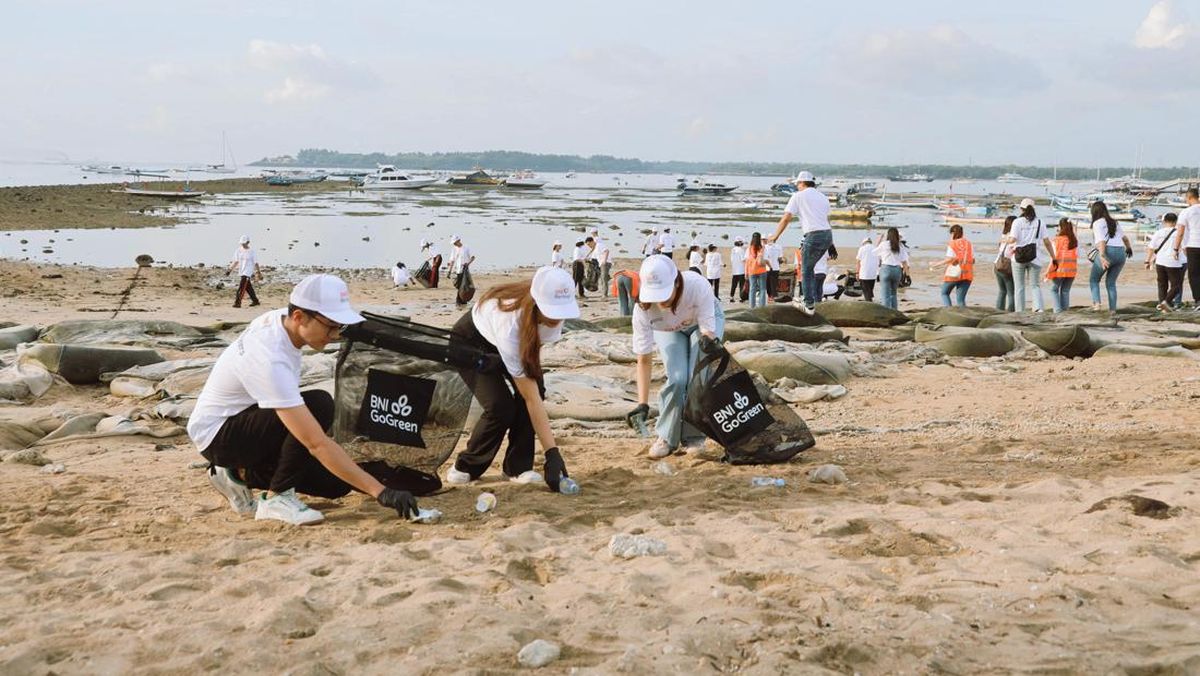
Respecting the environment: Bali’s natural beauty is sacred. Avoid littering, single-use plastics or touching coral, and be mindful of wildlife and the ocean. Caring for the island’s environment is one of the most meaningful ways to honour the spirit of Bali.
Visiting the homes of Balinese: Remove your shoes and avoid walking in front of people who are seated. Take a moment to observe the family temple, the most sacred area of the family compound, which is always treated with respect.
Thanks to Janine Cottle, founder of Escape Haven, a retreat for women in Canggu and the soon-to-open Mana Sanctuary, and Ryan Ver Berkmoes, Lonely Planet’s resident Bali expert, for the above etiquette tips. See escapehaven.com; manasanctuary.com; lonelyplanet.com