The Federal Reserve will announce its final interest rate decision of 2025 on Wednesday, capping off a turbulent year for the U.S. economy defined by fresh labor market headwinds and tariff-fueled inflation that has deepened the nation's affordability crunch.
The U.S. central bank will have to make its decision without some key government data. Hiring data for November and the latest inflation number have been delayed until mid-December — after the Fed's meeting — because of the U.S. government shutdown.
Those two measures are key to the Fed's decision-making on interest rates because of its so-called dual mandate, which is to keep both inflation and unemployment low. Those goals have proved difficult to reconcile this year amid a slowdown in hiring and a spike in layoffs, while inflation has edged higher in recent months partly due to the Trump administration's tariffs.
Economists expect another quarter-point cut
Despite the conflicting data, most economists are penciling in an interest-rate rate cut at the December 10 meeting.
CME FedWatch, which assesses the probability of rate moves based on futures pricing data, puts the odds of another 0.25 percentage-point cut in the Fed's benchmark rate at 88%. That would represent the third straight Fed cut and lower the federal funds rate, or what banks charge each other for short-term loans, to a range of 3.75% to 4%.
A rate cut this week could help some borrowers by reducing the cost of their loans, from credit card APRs to home equity lines of credit. That could bolster U.S. households at a time when many Americans report still feeling pinched by the rising cost of food, health care and other common expenses.
"As discussions about affordability take center stage across the United States, the Federal Reserve appears poised to cut interest rates a third time," Bankrate financial analyst Stephen Kates said in an email. "The absence of recent inflation data leaves the Federal Reserve operating with limited visibility, while alternative labor indicators and political pressure are steering the committee toward a more accommodative policy stance."
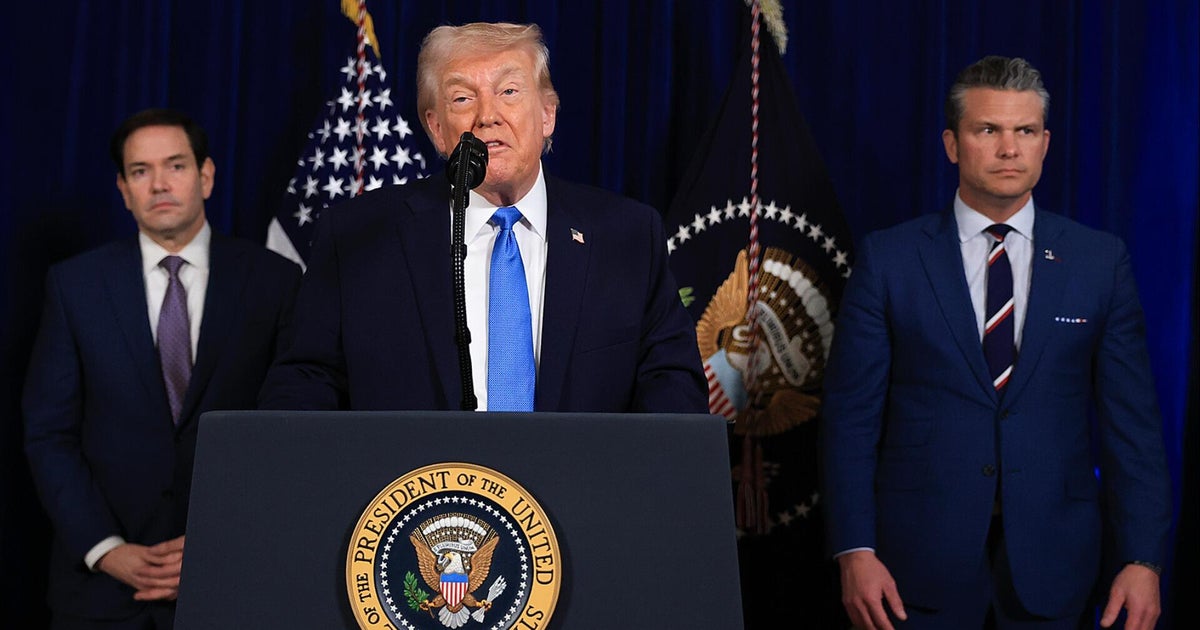
Presient Trump and other administration officials have chastised Fed Chair Jerome Powell this year about not moving sooner to ratchet back interest rates.
Another Fed rate cut carries its own risks. Lowering borrowing costs can spur consumers and businesses to spend more, potentially fueling higher inflation, Kates noted.
A Fed divided
Although economists expect the Fed to approve a rate cut on Wednesday, not all members of the Federal Open Market Committee — the central bank's 12-member rate-setting panel — are expected to support the move.
Several FOMC members have recently spoken publicly in support of cutting rates, including Federal Reserve Bank of New York president John Williams, who last month said the labor market's weakness outweighs concerns about inflation. In October, however, Powell cautioned that a December rate cut wasn't a "foregone conclusion," pointing to signs that the job market remains on firm ground.
"It's difficult to recall a time when the Federal Open Market Committee has been so evenly divided about the need for additional rate cuts than the upcoming December meeting," Michael Pearce, chief U.S. economist at Oxford Economics, said in a report. "It's a close call, but on balance we expect the committee to vote to lower rates" by a quarter of a percentage point.
Are more rate cuts coming in 2026?
For consumers, businesses and investors, perhaps the biggest question on Wednesday is whether policymakers will hint at more rate cuts for 2026.
For now, economists expect the Fed to hold rates steady at its next meeting on Jan. 27-28, according to a poll by FactSet. The survey of economists shows a 62% probability that the Fed will leave rates unchanged next month.
Even so, economists are generally forecasting more rate cuts for 2026, although the timing remains uncertain. The Fed could wait until March to make its first cut of the year because inflation remains above its 2% annual target, according to Maxime Darmet, senior economist at Allianz Trade.
But the labor market remains a wild card, Goldman Sachs analysts said in a research report. Employers have cut more than 1.1 million jobs through November, the most since 2020 and a 54% increase from the same period a year ago, according to outplacement firm Challenger, Gray & Christmas.
Employers are relying more on artificial intelligence, with some companies saying they're cutting jobs as AI makes their workforce more efficient. A continuation of that trend could lead to weaker hiring or even a spike in layoffs in 2026, supporting the argument for more rate cuts next year, Goldman said.
"[W]e see this as the greatest uncertainty and the most important question for 2026: Will somewhat firmer growth really be enough to stabilize a labor market where job growth outside of health care has been running negative recently and companies are increasingly focused on using AI to cut labor costs?" Goldman analysts wrote.
Edited by Alain Sherter
Will the Fed cut rates again before 2026?
New economic data raises questions about another Fed interest rate cut
(02:18)