3 months ago
20
3 months ago
20
The home affairs minister will also be given the power to ban “hate groups”. Hate group leaders and recruiters will face a maximum of 15 years in prison, as will people caught training or donating to them. Members could be jailed for 7 years.
Minister for Home Affairs Tony Burke has said groups such as the Nationalist Socialist Network and Hizb ut-Tahrir are being targeted and could be outlawed.
Changes to migration law will allow the immigration minister to refuse or cancel visas if a person has associated with hate groups or made hateful comments, including online.
What is the religious text carve-out?
The new racial vilification offence does not apply to conduct “that consists only of directly quoting from, or otherwise referencing, a religious text for the purpose of religious teaching or discussion”.
Certain translations of religious texts may otherwise have been deemed hate speech, including a controversial section of the Koran which has sometimes been translated to label Jews and Christians as “the worst of all beings”.
Asked about the carve-out on Tuesday, Albanese said: “I encourage you to read the Old Testament and see what’s there, and see if you outlaw that what would occur. So we need to be careful. We consulted with faith groups, not just with the Jewish community.”
Some interpretations of the Old Testament have been used to discriminate against people of colour through an interpretation of wording in the Book of Genesis about Canaanites, whose genetic descendants include Palestinian, Syrian and Jordanian communities.
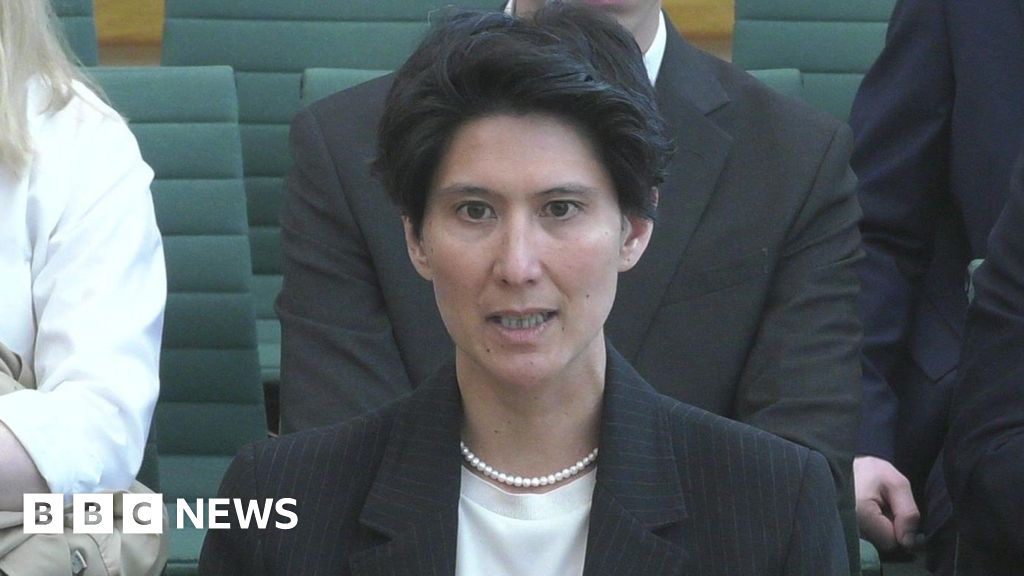
Attorney-General’s Department deputy secretary Sarah Chigdey said in a parliamentary inquiry into the draft laws on Tuesday that the exemption for religious texts was “very narrow”, and would only apply to direct quotes of texts. It would not protect people who used religious text to incite hatred or vilification.
What legal hurdles do the laws face?
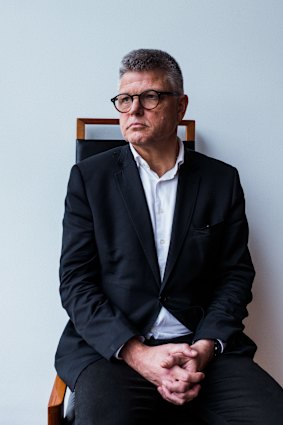
Greg Barns has warned rushing laws could have unintended consequences.Credit: James Brickwood
Home Affair Minister Tony Burke has repeatedly said the hate speech crackdown would push the law to the “constitutional limit”, and the government has acknowledged the potential for the legislation to face High Court challenges.
Section 116 of the Constitution does expressly prohibit the Commonwealth from making any laws that could be seen as “prohibiting the free exercise of any religion”, meaning any bans on religious texts could face a challenge in the highest court.
Several High Court judgments have found the Constitution has implied rights to freedom of association and political communication.
Greg Barns, SC, of the Australian Lawyers Alliance, said rushing the laws through without adequate consultation was dangerous, and he urged caution because of the risks to civil liberties.
“Hastily drafted laws may overlook critical details, fail to anticipate unintended consequences, or inadequately balance competing interests,” he said.
Barns pointed to vague language and a failure to define key concepts, including what the phrase “unacceptable risk” means, and who decides.
He said the law contradicted longstanding practice to only consider criminal acts committed after a law was introduced, and failed to observe procedural fairness when listing prohibited organisations, meaning those accused would not have a clear opportunity to respond to allegations.
What have the reactions been?
Conservative Liberals including Andrew Hastie have questioned whether the bill impedes religious freedom, while Coalition frontbencher Michaelia Cash and Hastie-backer Ben Small said the religious exemption could allow Islamic extremists to keep preaching hate. If they fight the bill, it complicates Opposition Leader Sussan Ley’s decision-making if she is inclined to back Labor’s changes in the name of national unity.
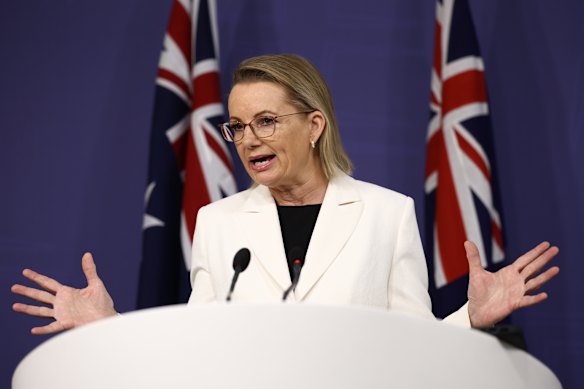
Opposition Leader Sussan Ley faces dissent from within the Coalition on whether the party should back the hate speech laws.Credit: Dominic Lorrimer
Federation of Islamic Councils president Rateb Jneid said he had not been consulted on the laws, and was concerned that the proposed racial vilification offence did not also include religious discrimination.
“It is simply not tenable for laws designed to combat hate to exclude religion,” he said. “Hatred fuelled by religious bigotry can be just as dangerous and damaging as that based on race. Any serious attempt to address hate speech must recognise that.”
Independent MP Allegra Spender, whose electorate includes Bondi and who has previously pushed to strengthen hate laws, has championed an extension of the laws to protect other diverse communities.
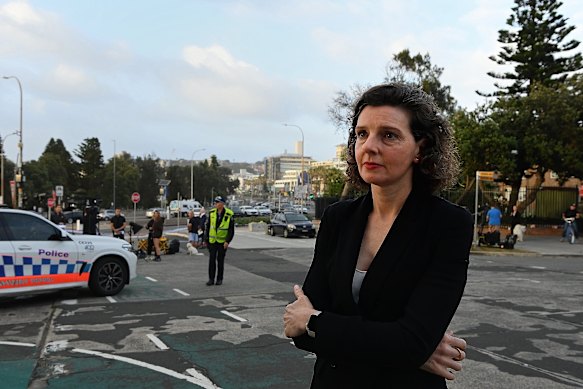
Member for Wentworth Allegra Spender has been consulting with the Jewish community.Credit: Kate Geraghty
“Neo-Nazis, for example, target Jews, Muslims, LGBTIQ+ Australians and people living with disability,” Spender said.
“And though Jewish Australians are rightly at the centre of concern right now, Jewish community leaders publicly support legislation that protects more than just race.”
Labor has flagged a potential extension of the protections to other groups once the laws pass.
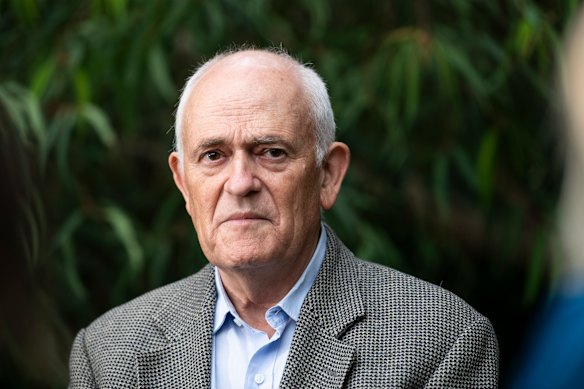
Peter Wertheim, Anthony Albanese’s closest Jewish ally.Credit: Rhett Wyman
Executive Council of Australian Jewry president Peter Wertheim – and Albanese’s closest Jewish ally – also called for the laws to be expanded to include other minority groups. He criticised the religious text exemption because invoking religion as an excuse to “dehumanise and mistreat others simply on the basis of who they are must surely be a thing of the past.
“None of the world’s recognised religions promotes racial hatred knowingly and deliberately, and to the extent that any religion were to do so, it would be thoroughly shameful,” he said.
Australia’s biggest neo-Nazi group, the Nationalist Socialist Network, announced to members on Tuesday it would disband by the end of the week to avoid lengthy jail sentences.
Leaders labelled the laws “draconian” and discussed plans for a replacement organisation that could continue under the guise of a political party.
Opposition home affairs spokesman Jonno Duniam expressed concern that the crackdown would drive the group to go underground or rebrand. ASIO boss Mike Burgess acknowledged the risk but said the spy agency was “good at” tracking people hiding from the law.
The Greens have reserved taking a public position on the laws as government briefings continue, but have a longstanding position of supporting the strengthening of hate speech laws.