3 months ago
24
3 months ago
24

January 29, 2026 — 5:00am
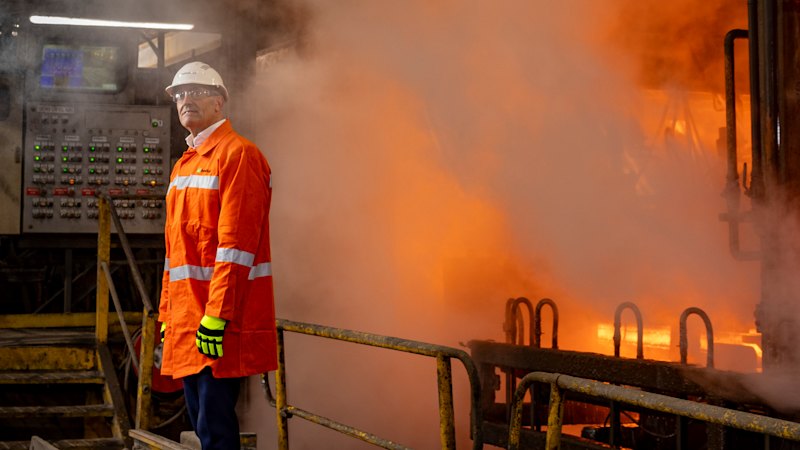
They weighed 1200 tonnes each, the same as 171 elephants, measured 170 metres in length, and dug through 1.58 million tonnes of rock. Now that their job is done, they’ve been dismantled underground, and raised to the surface piece by piece.
These mechanical behemoths were Betty and Dorothy, the tunnel boring machines tasked with digging the Sydney Metro West tunnels.
The borers were dismantled underground last month in the Westmead station cavern, before individual pieces each weighing up to 110 tonnes were lifted by crane to the surface.
The borers’ main drive units, along with their electrical systems and other moving parts, have been returned to manufacturer Herrenknecht for repair and reuse.
However, the cutterheads – the massive circular saw at the head of these mechanical worms – can’t be reused. “The steel has exceeded its wear limits,” a metro spokesperson said. “The cutterheads are dismantled into sections on the surface and recycled.”
They were the first in Australia to use artificial intelligence software to help steer and dig. However, an onboard crew of 15 people was required to operate each machine.
“Behind the cutterhead, each TBM includes a long back-up section … of connected gantries that house the equipment and facilities needed to excavate the tunnel and install its lining,” the spokesperson said.
For Betty and Dorothy, this “included extensive mechanical, electrical ventilation and segment handling systems”, along with crew amenities.
The machines worked 24 hours a day, five days a week, cutting around 800 metres of tunnel per month. Betty and Dorothy also installed more than 57,900 segments of concrete tunnel lining.
Worldwide tradition dictates underground tunnelling machines be given female names.
Dorothy was named for human rights advocate Dorothy Buckland-Fuller, who founded the Australian Migrant Women’s Association in 1974.
Betty was named after record-setting Olympian Betty Cuthbert, who grew up in western Sydney and won four gold medals for Australia, including three at the 1956 Melbourne Games.
As tunnelling on the Metro West network draws to a close, borers Jessie and Ruby are also winding up their work.
Ruby broke through into the Hunter Street station cave on December 17 last year, while Jessie “is due to break through within weeks”, a Sydney Metro spokesperson said.
Jessie and Ruby are mixed shield (slurry) machines, designed for the challenging conditions under Sydney Harbour and the CBD.
They mix slurry fluid with the excavated rock and soil to maintain pressure at the cutterhead and enable safe digging under the harbour. They required additional systems to manage slurry circulation and treatment.
Their progress was slower, at about 90 metres per week, excavating 460,000 tonnes of rock in total.
Jessie and Ruby were more expensive to build and maintain than Betty and Dorothy, but all six tunnel boring machines used to excavate for Metro West “cost tens of millions of dollars to design, manufacture and commission,” the spokesperson said.
A complex overnight retrieval effort in the cramped space of Sydney’s CBD lays ahead once Jessie reaches the finish line.
Start the day with a summary of the day’s most important and interesting stories, analysis and insights. Sign up for our Morning Edition newsletter.