3 months ago
25
3 months ago
25
A new year column should look forwards and upwards. A new year column should above all contain hope. And as we begin this new year, one which will mark 125 years of Australian federation, Prime Minister Albanese wants to restore that sense of hope. We desperately need it, given the horrific note on which 2025 ended. Fifteen predominantly Jewish people slain by Islamist terrorists as they celebrated peacefully at Bondi Beach. Australia is shaken. It’s a first that must be a last.
Rhetorical bromides about grace, unity and social cohesion won’t cut it. Australia needs to re-articulate its guiding vision. Who we are as a nation, together. Our values, what we stand for. What citizens are expected to uphold and what newcomers are expected to sign up to. Writing in these pages, the prime minister was able to name many wonderful things about our nation, but not the one big thing behind our success.
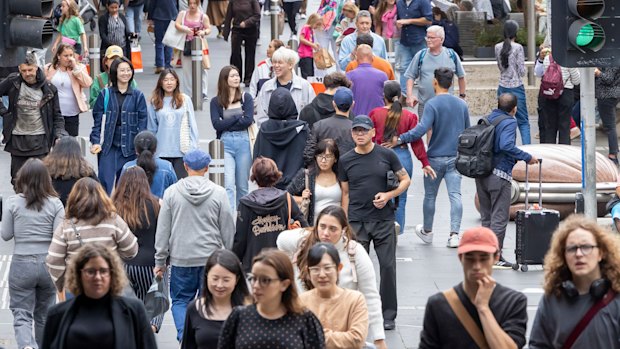
We’re a beacon to the world, but do we need to remind ourselves of our common values?Credit: Wayne Taylor
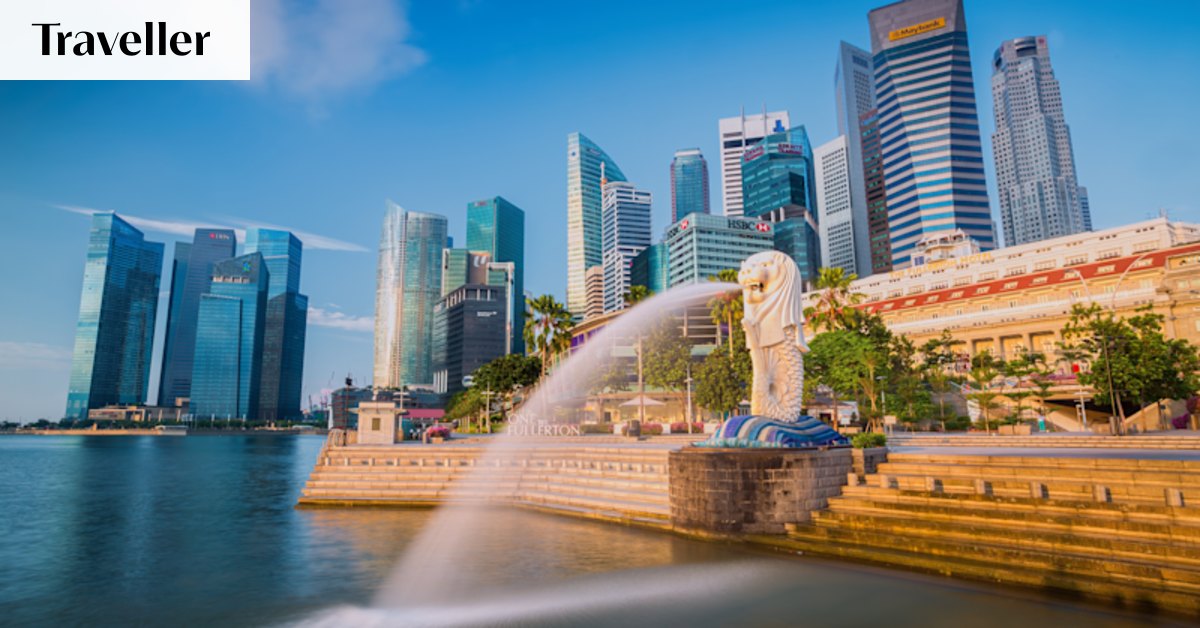
Australia is one of the world’s great liberal democracies. I know it’s unfashionable in some quarters to display patriotism, but I’ll say it: the world’s greatest liberal democracy. A nation and a system that can best be appreciated after travel. Because we quickly come to take for granted that which we live in every day. We focus on the flaws rather than the gravity-defying feat of a society sustained by “impersonal altruism” – the great product of liberal democracy, which has habituated us to act for the greater good even when we may not know the people who benefit.
There is no denying our imperfections. But we are also lucky to be able to haggle over blemishes that are relatively small.
Like the home stretch of gender equality. On International Women’s Day in May, we’ll trot out the same old tropes over whether women in Australia are really getting equal pay if they don’t work the same roles or hours. Happy concern! Meanwhile, women living in Iran are subject to imprisonment, flogging and even the death penalty for not wearing a veil which is considered by the regime to adequately conceal them from rampant male lust. Women in Afghanistan have their decision-making, education, employment and basic freedoms controlled by men, and enforced by Taliban rule. Female genital mutilation remains common in large parts of Africa.
Forgive me if I count my lucky stars that we’re debating whether women can truly be said to be equal if they choose to take on less workplace responsibility while they focus on their babies.
Loading
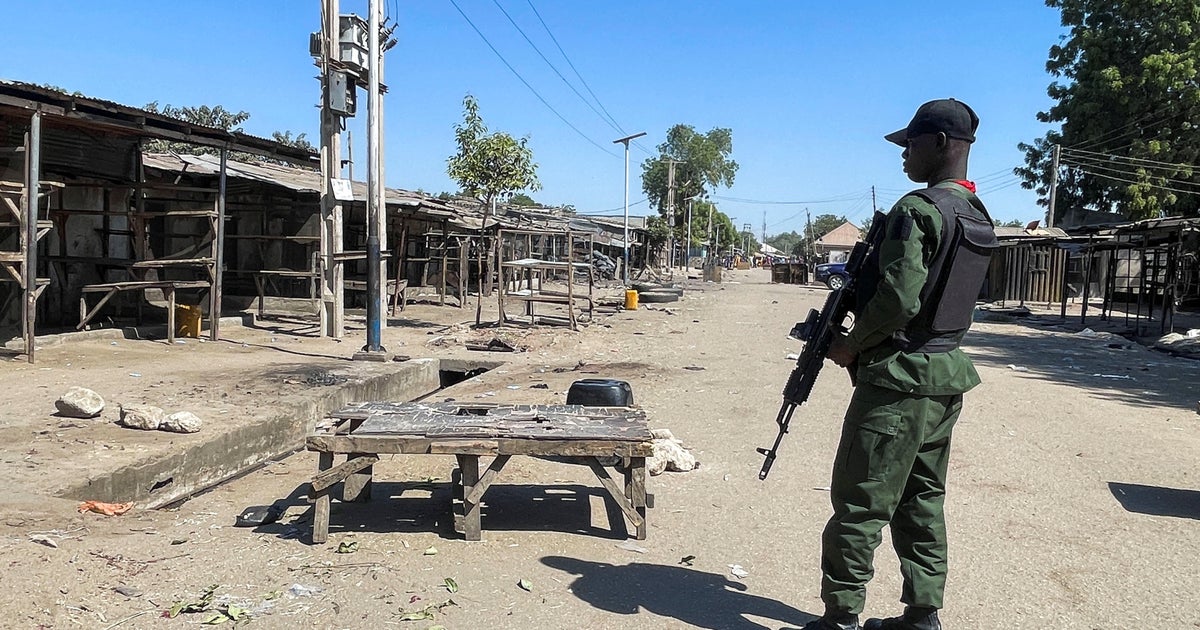
Or social disadvantage, which we continue to worry about. Rightly. Because Australia is a nation that believes that every individual should have equal opportunity to pursue a reward for their efforts. Education is fundamental to that opportunity, so we’ll squabble over pedagogical practice. How wonderful to be concerned with quality, when simply going to school involves the risk of getting kidnapped for ransom money in Nigeria.
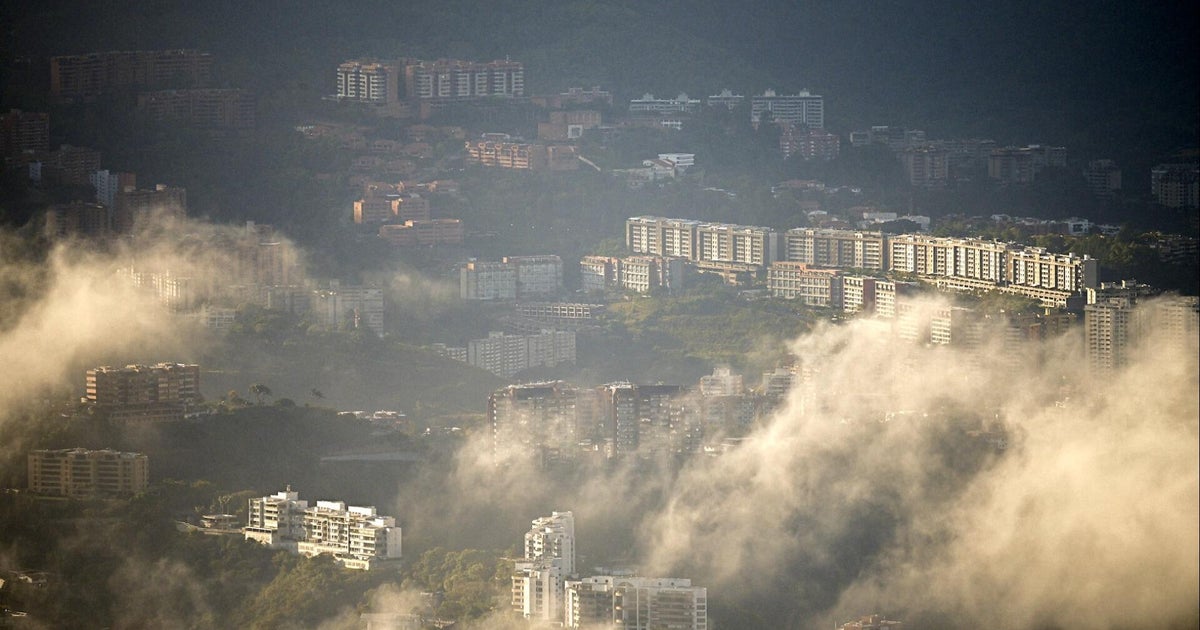
We might grizzle over the uneven playing field that big businesses are able to create through regulatory capture, the red tape that hobbles small business, and a government with historic levels of secrecy that avoids accountability and transparency. https://www.smh.com.au/politics/federal/clouds-appear-over-albanese-s-promised-transparency-20251229-p5nqhg.html But corruption isn’t endemic, and it can be voted out. We are a long way from the experiences in Syria, Venezuela, Somalia and South Sudan – the worst countries for corruption as rated by Transparency International, where nepotistic appointments and embezzlement of public money are just part of how things are done. https://www.transparency.org/en/cpi/2024
We’ll undoubtedly argue over immigration policy – from a position of strength, unlike our Western counterparts, because Australia’s island borders provide a natural barrier against unregulated entry. And because the silent (but enfranchised) majority punishes governments that squander that advantage. It’s an underappreciated – and often underutilised – luxury that we can carefully pre-vet the immigrants we take in. Those who come from countries where corruption and violence is an everyday reality must be explicitly taught the norms of tolerance, universalism and propriety that form the foundations of our high-trust society.
Loading
Most Australians move through their days oblivious to the framework of personal, political and legal liberties that underpin our thriving co-existence in this jewel of a Western liberal society. And that, too, is worth celebrating. The pinnacle of privilege is to be blind to its possession. But if I could make one wish this new year, it would be to share with every Australian my travel-jaded awe over how “everything just works”.
But it doesn’t “just work”, of course. The core qualities of liberal democracies – individual rights, tolerance, impersonal trust based on strangers acting independently in the name of our invisible social fabric, and laws that apply equally to all – are not a natural state of existence. People are instinctively tribal, prone to impose their belief system on others, keen to annex benefits for themselves and their kin. Peaceful, multi-ethnic societies are built on a recognition that each day is a conscious effort to preserve a greater whole. They require that everyone simultaneously sacrifice a little and resist the temptation to seize for themselves what others have conceded.
In the wake of the Bondi attacks, some corners of the internet that consider themselves progressive are insisting that the gunmen were targeting Zionism and that they therefore were not religiously motivated. This, despite the gunmen being inspired by Islamic State and apparently believing they were acting in the name of Islam – albeit a twisted form of the faith.
Accepting this contorted logic, in the face of deliberate targeting of the Jewish community at a Jewish festival, creates a loophole for future religious violence.
Loading
Sir John Jenkins, British former diplomat to multiple Arab countries, writes with special insight on the intertwining of Western post-liberal academia with this kind of Islamist discourse, tracing how their parallel preoccupations inform and feed these attitudes. He sees between them a shared cause in discrediting the West.
It’s simply a fact that some hatemongers place no value in liberal democracy and would have no compunction over using this liberal concession to pluralism against liberalism itself.
In 2026 and beyond, we must recommit to liberal democracy, to understand what it is, and remember that each and every citizen has a duty to sustain it. Australia offers the world hope; we don’t fail just ourselves when we forget it.
Parnell Palme McGuinness is an independent insights and advocacy strategist. She has done work for the Liberal Party and the German Greens.
Most Viewed in National
Loading