3 months ago
33
3 months ago
33
Updated January 29, 2026 — 4:20pm,first published 3:57pm
The Albanese government has vowed to stare down threats of retaliation from Beijing and return control of Darwin Port to Australian hands, as the Chinese company controlling the facility insists it does not want to sell its stake.
National security experts called for the government to push ahead with plans to force a divestiture while the opposition questioned why it was taking so long for Labor to deliver on a high-profile election promise.
The prospect of blowback from China over a key strategic asset comes as parliament’s foreign affairs and defence committee backed the creation of a new visa scheme to speed up the AUKUS pact, established to counter Beijing’s growing influence in the Indo-Pacific.
China’s ambassador to Australia warned on Wednesday that Beijing would have “an obligation” to respond if the government forcibly terminates Chinese-owned company Landbridge’s 99-year lease of Darwin Port, which sits directly opposite the city’s Larrakeyah Defence Precinct.
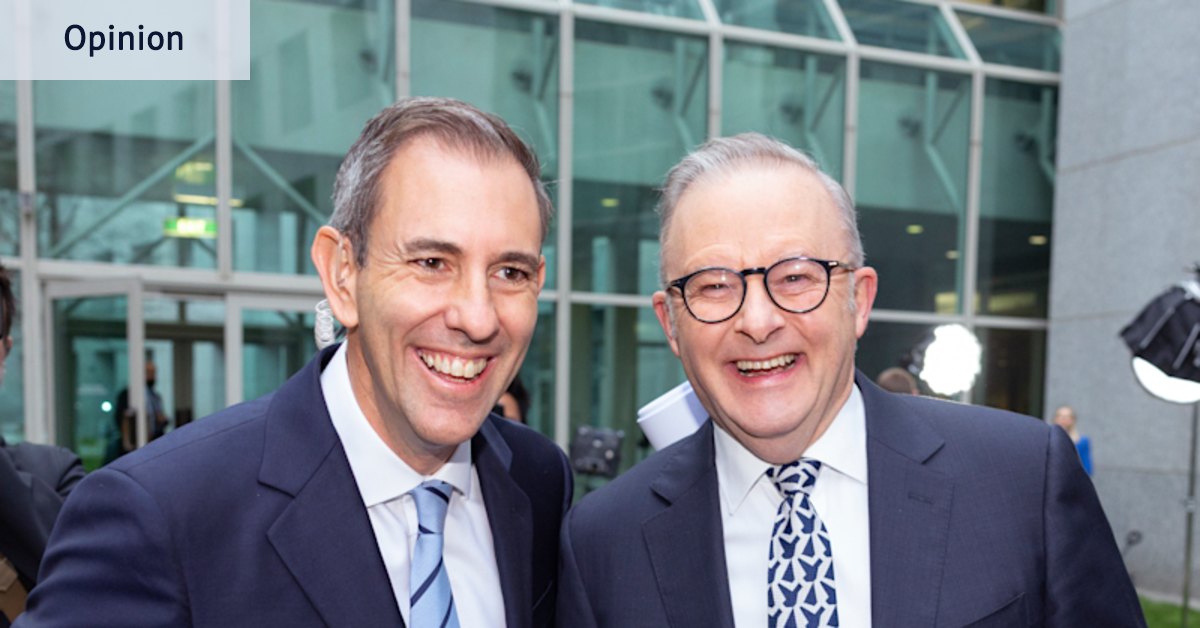
Prime Minister Anthony Albanese, speaking during a visit to East Timor, said that “we are committed to making sure that that Port goes back into Australian hands because that is in our national interest”.
Labor and the Coalition announced during the May 2025 election campaign that they would move to strip Landbridge of its 99-year lease of the port, but no details have been revealed of how this pledge will be enacted.
The company dug in on Thursday, with non-executive director Terry O’Connor saying: “As previously stated, Landbridge does not wish to sell its interest in Darwin Port. We will work with government to understand their concerns.
“Landbridge is a private commercial business, and it does not comment on government policy or political matters.”
Defence Minister Richard Marles said that “we as a government, have sought to bring the Port of Darwin back into Australian hands”.
“There are commercial negotiations going on right now in respect of that so I’m limited in what I can say further in the detail of that, but clearly it’s very much within the right of a government to pursue the course that we are,” he said.
Asked to explain the delay, Marles said that ending Landbridge’s lease was “a complex matter”.
Opposition foreign affairs spokeswoman Michaelia Cash called for Albanese to “produce a proper, transparent plan that protects taxpayers, avoids unintended sovereign risk, and delivers a clean transition to an Australian operator as soon as possible”.
“Mr Albanese is clearly stalling on returning the Port of Darwin to Australian hands,” she said.
“It has been nine months since Labor made this promise, yet we’ve seen no clear implementation pathway.”
Some within the national security community have private concerns that the divestiture negotiations are being led by the Department of Transport and Infrastructure, rather than Home Affairs.
Australian Strategic Policy Institute executive director Justin Bassi said that Xiao’s “threats were not about protecting China’s national security but rather interfering in Australia’s”.
“The Port of Darwin is not just a port but is national critical infrastructure which should not be under the control of a strategic adversary. Ironically, the ambassador’s attempt to bully Australia into submission has effectively only confirmed the reasons for reviewing the lease,” he said.
Richard McGregor, a senior fellow and China expert at the Lowy Institute, called for the government to find a way to end Landbridge’s lease despite warnings from Beijing.
“Any Chinese response will depend on how a divestiture takes place, and it’s still too early to rule out a commercial solution, though clearly one hasn’t been found so far,” he said.
“It is also worth emphasising that such a situation – having important military facilities adjacent to a foreign-owned port – would never be tolerated in China.”
Former Home Affairs department boss Michael Pezzullo said it was “absolutely urgent” for the government to end the current lease arrangements, signed in 2015.
Pointing to rising tensions in the region, Pezzullo, who was sacked for inappropriate behaviour reported by this masthead in 2023, said: “This is a national security risk.”
A 2023 review by the Department of Prime Minister and Cabinet found it was not necessary to change or cancel Landbridge’s lease because safeguards were in place to manage risks to critical infrastructure.
The Joint Standing Committee on Foreign Affairs, Defence and Trade, chaired by Labor senator Deborah O’Neill, said in a report released on Thursday that there is “a strong argument for the creation of an ‘AUKUS visa’” to ensure there is the workforce required to deliver Australia’s plan to acquire nuclear-powered submarines.
“This could provide workers with quicker access to Australia and streamline the process of transferring relevant qualifications and security clearances,” the report said, echoing a proposal by former US ambassador Caroline Kennedy.
Cut through the noise of federal politics with news, views and expert analysis. Subscribers can sign up to our weekly Inside Politics newsletter.