3 months ago
11
3 months ago
11
Exorbitant ticket costs aren’t stopping Australians from travelling to next year’s football World Cup, with dynamic pricing and immense demand leading to $US100,000 tickets on FIFA’s resale platform – for opening matches where fans don’t even know which teams will play.
Socceroos fans are expected to travel in droves to the 2026 World Cup, co-hosted in the United States, Canada and Mexico. While the draw determining matches will be conducted in December, fans worldwide have already snapped up more than 1 million tickets – or 15 per cent of the total available.
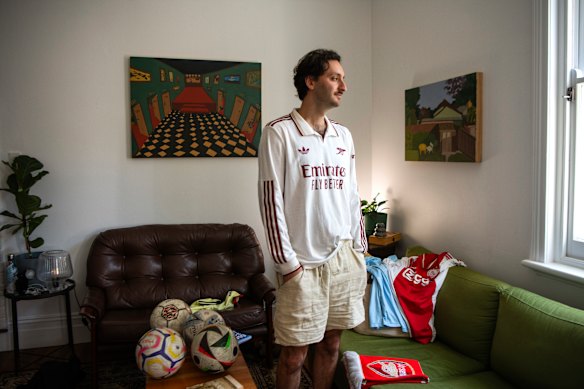
Sydney football fan Alexi is scathing of FIFA’s ticket regime for next year’s football World Cup in the United States, Canada and Mexico. Regardless, he will travel to the tournament, even if he doesn’t have any match tickets.Credit: Steven Siewert
The 2026 edition is set to be the most lucrative sports event ever, with FIFA’s projected revenues exceeding $15 billion, partly due to an expanded 48-team format. Accordingly, the race for tickets comes with a plethora of costs and time-consuming application processes at levels that haven’t existed for previous tournaments.
This includes Football Australia (FA) requiring fans to pay $99 for the privilege of entering the ballot for tickets FIFA allocated to Australia’s governing body for Socceroos matches only – with no guarantee of actually being successful.
Beyond applying for a nation’s allocation to its own matches, fans have several avenues to secure tickets in the global marketplace, but FIFA has come under intense criticism over its ticketing regime – including from Zohran Mamdani during his New York mayoral campaign and Australian consumer advocacy group Choice.
Luck of the draw
All tickets are initially offered by FIFA through staggered sales phases to customers whose applications are selected at random.
Successful applicants are then offered the chance to buy tickets. If buying before the draw is conducted, they’re forced to take a punt on matches where only the date and stadium are known, not the teams playing. Team-specific tickets, to follow a qualified nation wherever they are drawn, can also be applied for.
In addition to being the first World Cup with dynamic pricing, FIFA has not released a price list. Fans only see prices if their applications are successful, and they’re granted an allocated time window to enter FIFA’s portal and purchase whatever seats have been released at that time.
Dynamic pricing has already kicked in for most matches, as team-agnostic fans opt to buy based on the host city. Its effects have been most pronounced on matches involving the host nations, where their group stage schedule is locked in.
Crowdsourced data from the presale phase indicates FIFA was most recently selling tickets to the US team’s opening match in Los Angeles for $US2735 (about $4197) for category 1 seats, down to $US560 for the cheapest category 4. These have steadily increased since presale opened due to demand.
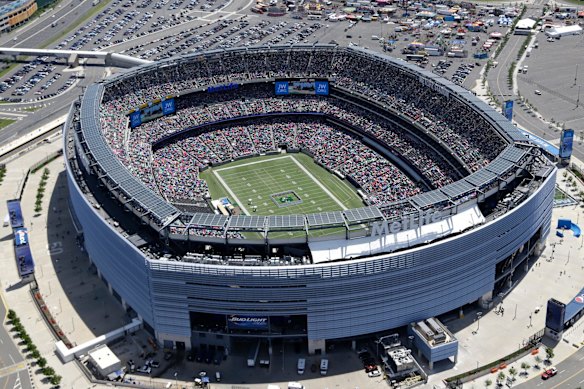
MetLife Stadium in East Rutherford, New Jersey, near New York. The stadium is set to host the 2026 FIFA World Cup final.Credit: Seth Wenig
That’s in stark contrast to what had been promised. When bidding for the World Cup, host nations estimated $US323 for category 1 seats. Meanwhile, FIFA had boasted of $US60 base prices for category 4 seats, which have a minuscule allocation of seats in stadiums.
The crowdsourced data also shows prices have significantly inflated on past tournaments. At the 2018 World Cup in Russia, FIFA sold a category 1 ticket to a group stage match for $US210.
$US100,000 tickets
For those who miss out during the staggered sales phases, there’s an official resale platform as well as an unofficial scalping front.
FIFA has launched a controversial in-house reselling platform. It places no ceiling on how much a ticket can be resold for, and the organisation takes a 15 per cent cut from sellers and buyers – 30 per cent in total – from every transaction.
Category 1 tickets to the US team’s opening game, which sell for $US2735 in presale, were being sold for as much as $US100,197 at the time of publication. Category 4 tickets – which FIFA had boasted would start at $US60 – are selling for $US5744. Meanwhile, tickets to the same match on unofficial scalping platform Stubhub are listed exceeding $US100,000.
Unlike in some Australian jurisdictions, there are no laws capping maximum resale amounts. In Mexico, there are such laws, and FIFA has been forced to set up a separate ticket website for local fans only. The rest of the world must trade tickets on FIFA’s platform.
Experts have blasted the ticketing system and warned that Australians will never have encountered such prices for major events before.
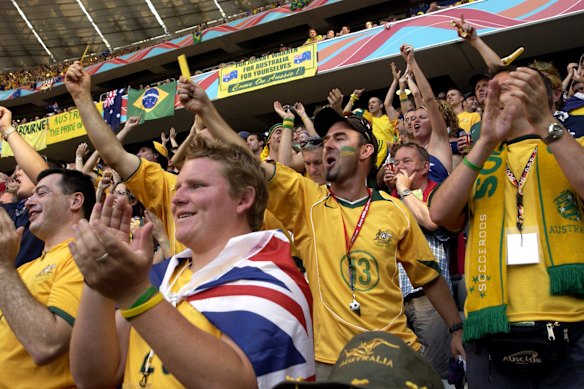
Socceroos fans watching the team play Brazil at the Allianz Arena in Munich at the 2006 FIFA World Cup in Germany.Credit: Kristjan Porm
Paul Crosby, a senior economics lecturer at Macquarie University, said the argument for dynamic pricing was clear. “If there’s a bunch of fans willing to pay more than face value, why should that surplus go to a scalper when it could go to FIFA.” He also said that an official resale platform gave consumers confidence to buy verified tickets, weeding out scammers.
But without any guardrails preventing price gouging or professional scalpers and bots hoovering up tickets in a speculative fashion, ticket prices were set to be exorbitant, he said, adding that the more they were scalped for, the more FIFA gained due to its “double-dipping” 30 per cent resale cut.
The US’ traditionally more expensive sporting events and strong scalping culture will also be a rude shock for Australians, Crosby said.
“The prices of tickets we’re seeing now even before the draw is causing a great deal of consternation among fans,” he said. “Ticketing for these types of events is such a wicked problem, demand will always outstrip supply.”
Crosby himself is a football fan, but he said this World Cup feels “unattainable”.
“FIFA are really leaning in and saying, ‘Let’s get as much revenue as we absolutely can’,” Crosby said. “They’ve basically told fans: ‘Here’s the dynamic pricing, here’s the resale platform, there are no limits, just have at it’.”
Australians undeterred
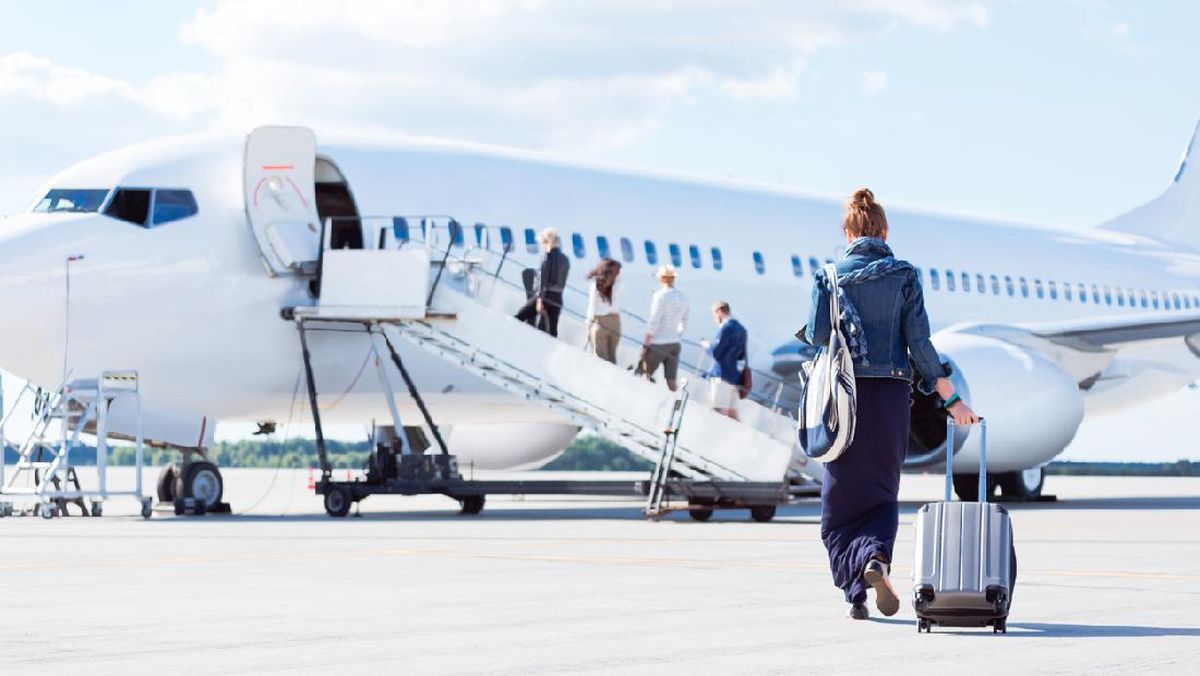
Plenty of Australians are booking travel even before they’ve secured tickets.
Kevin Pollard, of Travelrite International, said his tour is “selling really well and expensive tickets aren’t putting people off”. The tour – which does not include flights or match tickets – will cost about $8000.
Thousands of fans have also signed up or expressed interest in other tours run by the Fanatics or Green and Gold Army, representatives said.
Meanwhile, Sydney football fan Alexi (who requested that his last name be withheld) has been planning his trip since 2018 when the hosts were confirmed. It will be the 31-year-old dual US-Australian citizen’s first World Cup.
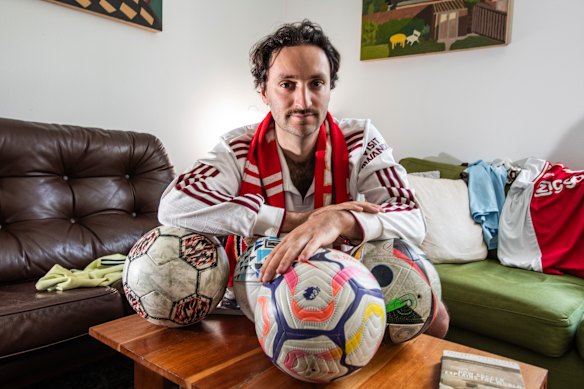
Sydney football fan Alexi will travel to next year’s football World Cup in the United States, Canada and Mexico – even if he doesn’t have any match tickets when he boards his flight.Credit: Steven Siewert
He has so far been unsuccessful in pre-sales phases, and said researching and applying for tickets has been “exhausting”. “Gamifying the ticket system is as much of a mental load as actually planning your trip there,” Alexi said. He asked that only his first name be used out of fear that identifying himself to FIFA would harm his ticket applications.
Alexi will consider himself lucky if he can attend five of the 104 matches. In addition to Australian matches, he hopes to see the Netherlands play, as well as Cape Verde, the tiny African nation that has stunned observers to qualify for its first ever World Cup.
“I just love football, I’m not a nationalistic person,” Alexi said.
He will fly into the US even if he can’t secure a single ticket beforehand, prepared to show up at stadiums right before a match and buy from a scalper if he must, or watch at bars in the streets if he can’t.
He is scathing of FIFA’s ticket costs and processes, which are “breaking the bank”, and notes that while he can afford to attend, others can’t.
“It’s the biggest sporting event in the world; it should be for everyone, not just those who can afford it,” he said. “The idea that it’s only accessible by a wealthy few who can pay hand over fist leaves a sour taste in your mouth, but the fact it’s happening shows FIFA can get away with it.”
Most Viewed in Business
Loading