3 months ago
6
3 months ago
6

Credit:
NATURE
Liars, Cheats and Copycats: Trickery and Deception in Nature
James O’Hanlon
NewSouth, $34.99
This book may challenge your understanding of the natural world, or at least lead you to reflect on the limitations of being human. The astonishing range and complexity of deception among animals, plants and insects has certainly altered the author’s consciousness.
“Diving into the science of deception can sometimes feel like shaking a tether that holds you down to reality,” muses James O’Hanlon. “It reminds that you can never quite trust your senses, or your instincts.”
As O’Hanlon describes in this enthralling book, we don’t yet possess the sensory capacity or the technology to fully comprehend the ways in which other living creatures interact with each other. “It is when we start to broaden our perspectives beyond the human that we realise how much we still don’t know about deception in nature.”
Humans deceive each other typically through word and deed, while animals and plants have an array of sensory capabilities that we do not possess and are only beginning to comprehend. O’Hanlon describes how sound, light, patterns and chemicals are used to deceive to trap prey, pollinate or simply survive. Birds such as cuckoos somehow fool other species into bringing up the chicks as their own – an audacious deceit known as brood parasitism. A blister beetle grub can infiltrate a bee’s nest and fool the colony into thinking it is the queen.
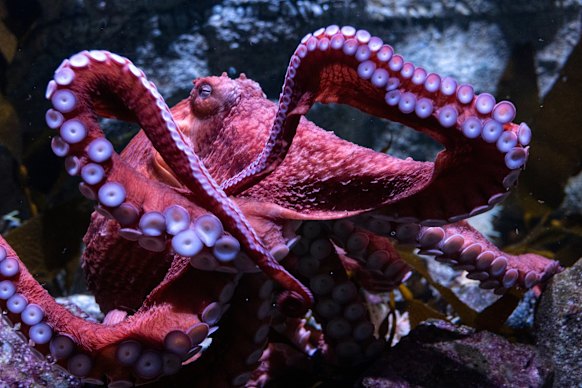
Octopuses can change their colours in milliseconds.Credit: AP
The examples are endless, writes O’Hanlon: “There are orchids that trick male wasps into collecting their pollen with the false promise of romance, octopuses that can change colour instantly to match their background and fireflies that can flash to lure a mate or an easy meal.”
One type of deception that is more complex than we might think is camouflage. Many animals can change colour, but cephalopods such as octopuses and cuttlefish can do this in milliseconds to produce a seemingly limitless variety of colours and patterns. It takes enormous brain power to control the entire surface of the skin, and is all the more remarkable given that cephalopods are apparently colour-blind. They can even produce ambient light effects along with the subtlest variations in colour and shade.
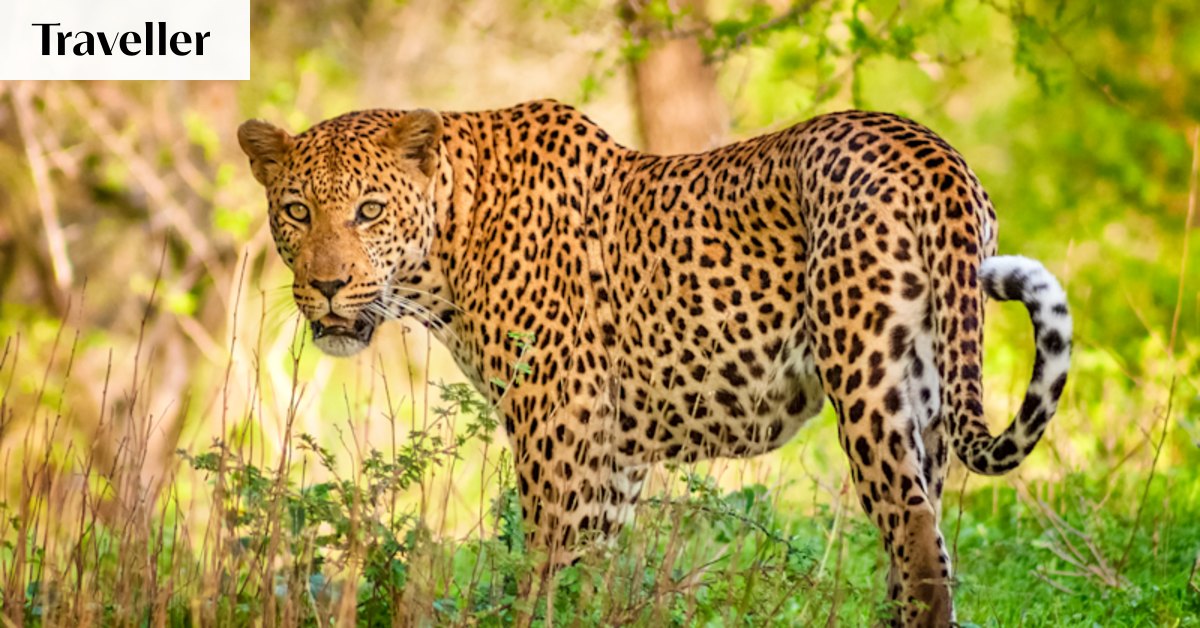
The high contrast camouflage patterns found on land animals are more effective than they may first appear. Tigers are superbly camouflaged, and so are giant pandas. “By analysing photographs of giant pandas taken in the wild, scientists have shown that the dark and light patches of pandas blend in with different parts of their forest environment.”
Of course, deception is not just a matter of hiding in plain sight. O’Hanlon devotes chapters to describing how animals mimic other species and how science is yet to explain how much of this masquerade is possible. Some animals have evolved to resemble other species that are completely unrelated. We assume that plants can’t “see”, and yet species such as the chameleon vine can modify their leaf shapes to match whatever plant they are near. Incredibly, they do this even when placed in proximity to artificial plants.
Loading
As he showed in his previous book, Silk and Venom: The incredible lives of spiders, O’Hanlon is a gifted science communicator, able to explain complex scientific ideas without confusing the non-specialist reader; he writes in a conversational, engaging manner. The pages turn easily, and the reader feels smarter.
O’Hanlon affirms that “no part of this book was written using generative AI software”, a disclaimer that, alas, can be expected to appear more often. Instead, he claims, the book is “entirely the work of a squishy, organic and generally harmless human being”. It is good to know such creatures still exist.
We tend to judge humans who intentionally deceive other humans in moral terms, and indeed such acts may be deemed criminal. O’Hanlon admits he has no simple answer to whether an animal species knows it is being deceptive, apart from cases involving primates and other animals with experience of human behaviour such as dogs. But he seems inclined to think the weight of evidence tilts towards that conclusion.
Most Viewed in Culture
Loading