
 3 months ago
42
3 months ago
42
Herald photographer Janie Barrett says composition, framing, scale are important components of capturing strong images. But there’s one key essential.
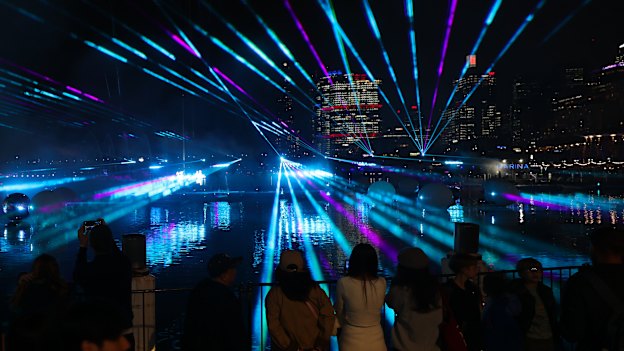
Photography is all about the capture of light and usually this is the first thing I think about when I have an assignment.
Many elements combine to make a stunning photograph, such as composition, subject, emotion – but it is the way light has been seen and used by the photographer that can really elevate an image.
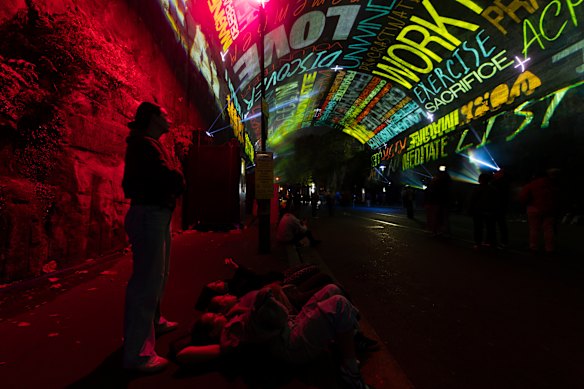
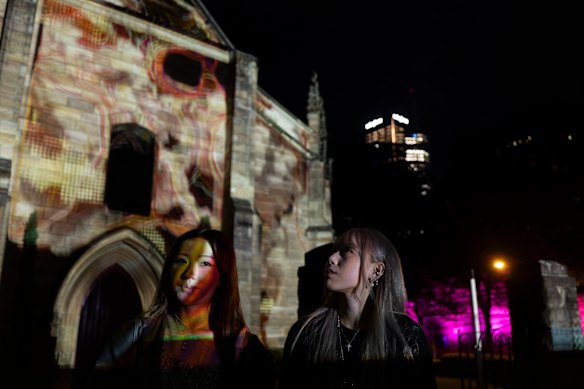
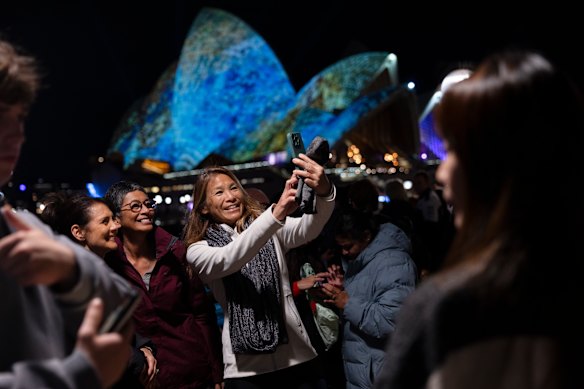
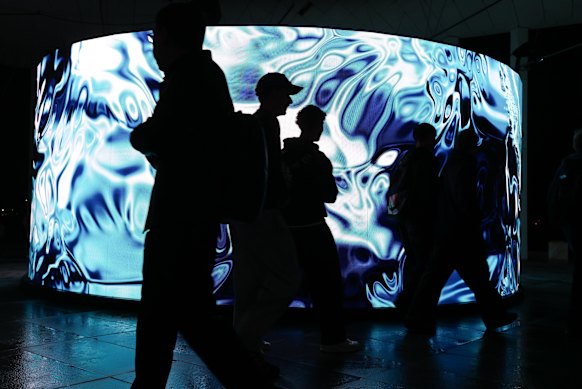
Vivid is the perfect place to practise how you see and shoot light. Ideally, you will need a tripod, but there will be lots of walking and jostling for position, so travel as light as you can. Using a dedicated camera to capture Vivid in its best light will get you the best results. For these images, I used a Canon EOS R1 mirrorless camera with a 24-70mm lens and a 16-35mm lens, both f2.8.
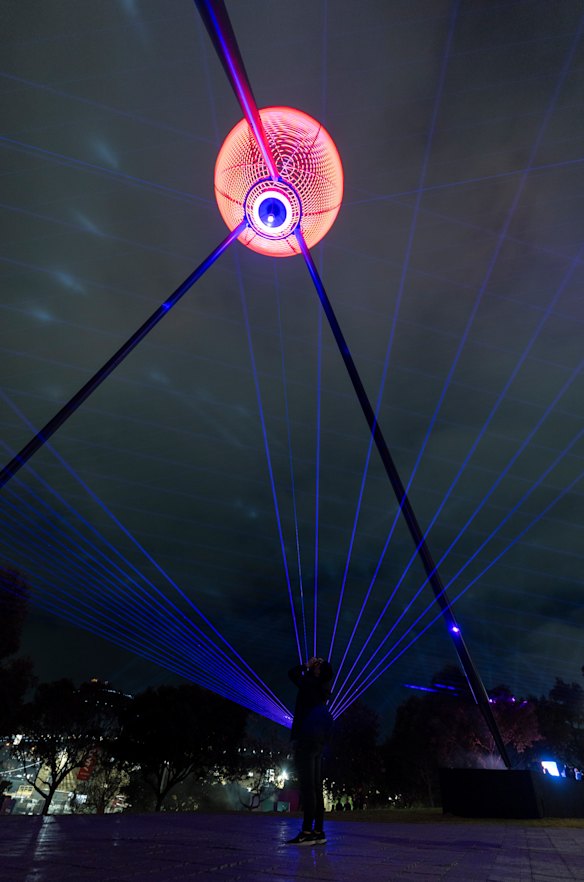
Using a tripod allows you to do long exposures, keeping the shutter speed as several seconds or even longer, and to have a small aperture, so your depth of field is nice and deep. This will allow more of your image to be in focus. You will also be able to use a lower ISO to reduce “grain”.
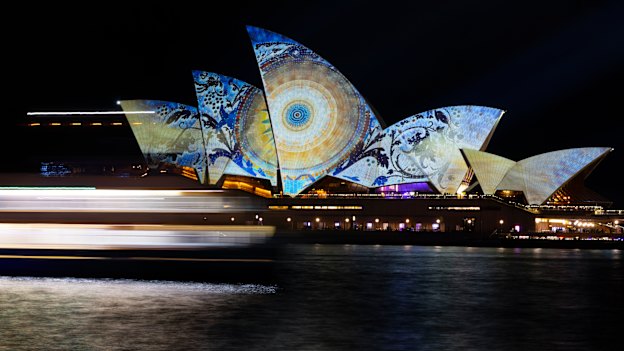
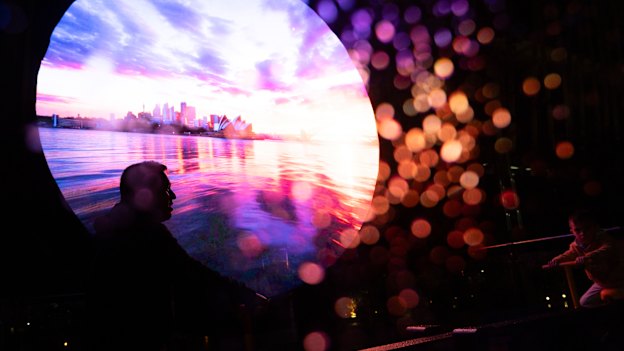
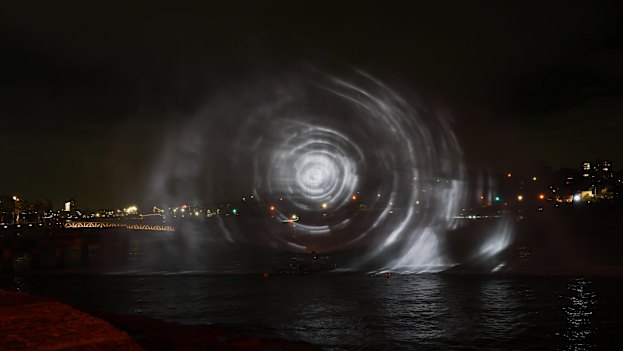
Don’t use a tripod or a long exposure if you want to keep the moving elements sharp. Instead, open up your aperture to let more light in and increase your ISO. Have your shutter speed set to at least 1/125th of a second to eliminate movement, both of the subject and from your shaky hands.
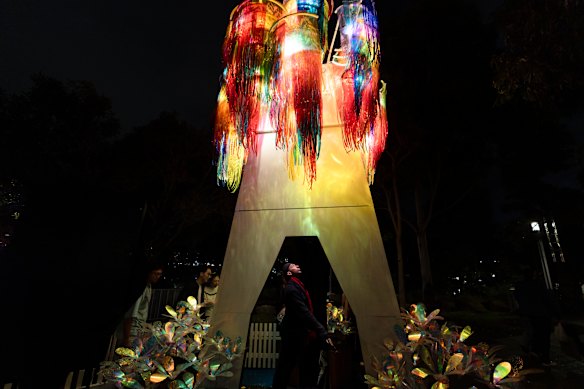
Be careful not to overexpose your highlights. I would not use a flash, but I would rely entirely on the light emitted from the works. If you want to photograph someone within the work, look for a spot where the light falls nicely on their face. Really look at where the light is landing.
To make my photographs more interesting, I like to have people in the frame interacting with the installation. I also use them to show scale. With the beautiful, colourful light, you can get some interesting silhouettes from them as well.
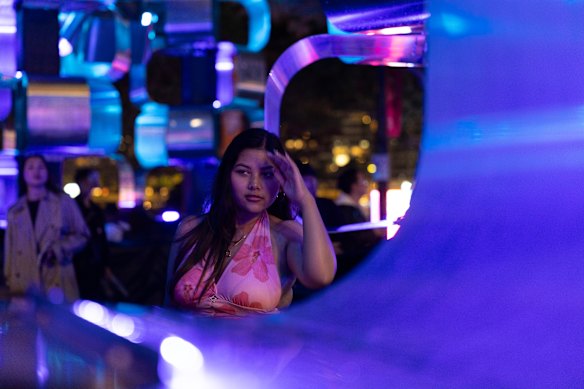
Another thing to consider is composition. Learning and using the “rule of thirds” can improve your composition dramatically. If you imagine your image is divided into thirds both horizontally and vertically, and then you put interesting elements at these intersections it is more pleasing to the eye. Avoid having everything in the centre. Always consider the edges of your image. Also, try and have something in the foreground and the background. You can use elements in the foreground to frame your main subject, making your composition unique.
Don’t be afraid of shooting in the rain. Puddles of water will reflect the light and add another beautiful and colourful dimension to your images.
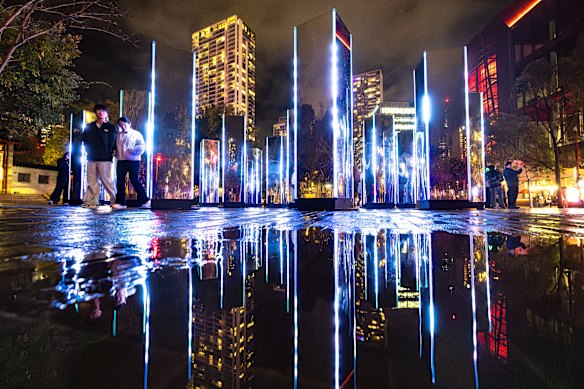
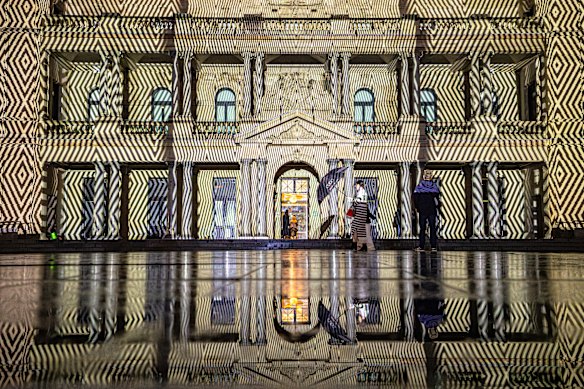
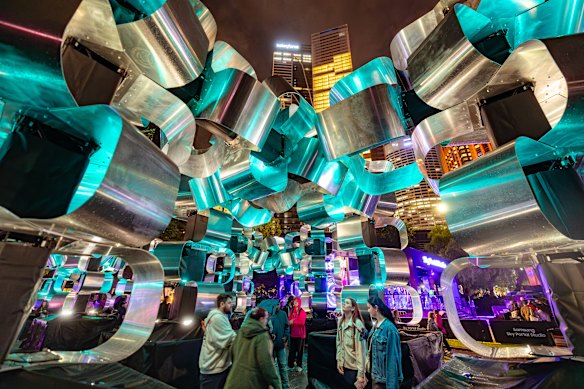
Finally, consider your viewpoint. Move around the installation and try to avoid just shooting from eye height. Get down low or climb up high if possible. But firstly and always, consider the light.
Vivid runs until June 13.

















































