3 months ago
29
3 months ago
29
None of us likes talking about death. Mention it in mixed company and you’re likely to be met with an awkward silence. But raising the topic with those close to you, like your parents, can be even harder.
It’s something that death doula Danni Petrovic is trying to overcome. Since the loss of her brother to cancer a couple of years ago, she has made it her mission to facilitate conversations about end-of-life plans and death, especially among adult children and their parents.
The thing is, historically, she says we’re not terribly good at it.
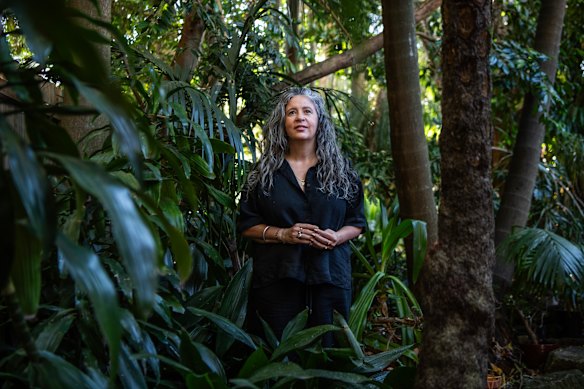
Death doula Danni Petrovic says we’ve lost the art of talking about death. She would like to change that.Credit: Steven Siewert
“We have a disconnect in our Western culture, particularly in Australia,” says Petrovic, community programs manager at aged care provider Proveda. “We find it difficult to have that conversation particularly with our parents because there is an element of you don’t want to upset them – and you don’t want them to think you are angling for assets or money.”
That can make starting a discussion with our parents around death and dying tricky. Relationships Australia CEO Elisabeth Shaw says it’s understandable that many approach the topic with a sense of trepidation.
“It is a difficult conversation to have and people always feel ‘are they wishing them dead?’,” she says. “Will it come across that way? Unfortunately, there are some people who are looking forward to their inheritance or even making a claim on it.”
If it’s not an easy subject to broach while they are alive and well, Petrovic says dealing with the fallout of the sudden illness or death of a parent can be so much harder to cope with if you have no idea what the plan is. For a start, you are usually not thinking straight.
Loading
“In grief, our executive functioning changes,” she says. “We don’t have the ability to make those decisions that we can in everyday life when our cortisol levels are in balance.”
If it feels like the conversation has been sitting in the “too hard” basket for a while, there are some strategies you can use to get the ball rolling and, ultimately, give everyone peace of mind.
Be open to ‘the talk’
Shaw says many people are understandably sensitive about discussing their own death for a variety of reasons. But children can be just as reluctant as parents to talk it through.
“Often older people want to talk about it and they are moderating themselves because they are not sure their family is up for it,” she says. “They might have raised it and the family shuts [the discussion] down.”
Shaw says it’s natural for some family members to be privy to information that others are not, simply because of relationship dynamics. But while it may seem like a good idea to bring everyone to the table at once, she warns that getting all your siblings together to speak with a parent en masse can feel like bullying.
“Don’t approach the older person as a pack,” she says. “You could say it is a conversation to have with the whole family, so we need to have a mediator. Our Let’s Talk service is there to mediate conversations in later life to prevent elder abuse.”
Where possible, she says, it’s worthwhile staying alert to conversational cues to open discussion on what plans might be in place and what still needs to be decided.
“If they say something like they will not be here much longer, ask if they want to talk about it in whatever way they may raise it,” Shaw says. “It’s really important to go at the pace of the older person. If they want to shut it down, it’s important to be reassuring that you really want to follow what they want and what their interests are.
“You can ask questions like: do you ever picture yourself not living at home? What would you like from me? Who would you like on your team? Or would you like me to facilitate some external advice?”

Being open to conversations with your parents about end of life can save a lot of heartache later on.Credit: istock
If you don’t know where to start, events such as Proveda’s Dying to Know days can create provide a safe space.
Shaw says understanding expectations – from both parties – can eliminate stress and anxiety later on, even if you don’t like everything you hear.
“They are allowed to make decisions about their estate which you may not agree with,” she says. “And if they say things that the family cannot deliver on, like they may want to live with you, this is the time to discuss that. It’s also important to have these conversations before there’s any question about the person’s competency.”
More than the will
While making a detailed will is critical, Petrovic says it is just the start of the conversation. Beyond the legal and financial requirements, she says it’s worth discussing your parents’ “emotional will” as early as possible.
“It’s not just the financial and legal – it’s the emotional, the practical, the spiritual. Who gets your pet? Who gets your digital footprint? Everyone has a smartphone – who gets your photos? Maybe you have a book or a memoir. Maybe you have assets that are sentimental but they would not necessarily be put in a financial or legal will,” she says.
This could also extend to what they would like to happen to their bodies after they pass. Petrovic says while it’s useful for parents to have thought through their wishes, the next crucial step is to tell their loved ones.
Loading
“If you’ve documented and put it away somewhere, often that documentation isn’t found until after the funeral,” she says. “If you’ve cremated someone and then you find the will and they wanted to be buried, that’s not a nice place to be in.
“So the paperwork is one thing but having the conversation, if I could impress upon everyone to say ‘this is what I want to happen and my paperwork is here. My password folder is here and here is what should happen if I pass away tomorrow’.”
Make the most of your health, relationships, fitness and nutrition with our Live Well newsletter. Get it in your inbox every Monday.
Most Viewed in Lifestyle
Loading