
 5 months ago
77
5 months ago
77
11 minutes ago
Nathan Standleyand Kate McGough,Education reporter

 BBC
BBC
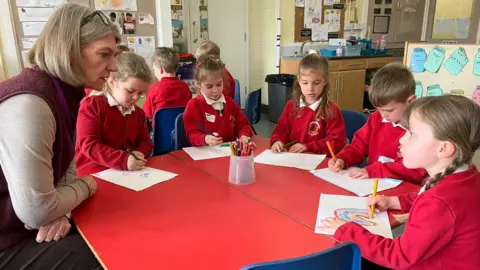
Parents receiving offers for primary places in England and Wales are being reminded to help ensure their children are fully ready for school by September.
The government wants 75% of children to have reached a good level of development by the time they leave reception, but teachers say an increasing number are starting reception without basic skills like being toilet-trained, or having the communication abilities they need to learn.
A new government campaign aims to inform parents of the key skills to practice at home before the autumn school term begins.
As part of a pilot scheme, City of York Council has sent out informational leaflets about potty-training to 1,700 families, alongside their school place offer letters.
The council is also putting on parent workshops, special training for teachers and nursery staff, and putting up information in pharmacies, GP surgeries, and community hubs.
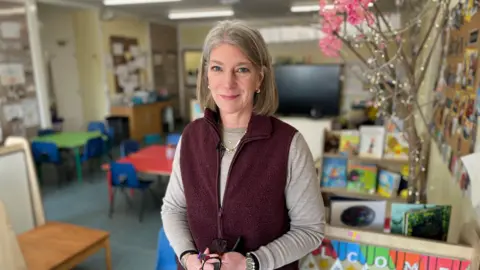
Jo Mould, who has been a reception teacher in the city for more than 30 years, says having all children potty-trained by September is an "ambitious" target - but also a realistic one.
"I think this is a really exciting opportunity," she says.
 John Boon / BBC
Reception teacher Jo Mould says she has seen a lot of change in recent years in how well-prepared children are to start school
"It can be done. There will be support out there from health colleagues for parents whose children are struggling.
"So I think it will only be a positive step for children to ensure they're really ready to start school and come to learn."
In recent years, Mould says she has seen a "huge change" with more children arriving at school with speech and language difficulties, difficulty regulating their emotions, and issues with going to the toilet.
"Particularly around toilet-training, it takes two members of staff to change a child, so it does take up human resource and takes the adults away from the children learning," she says.
In a recent survey by the children's charity Kindred Squared, reception staff said they were spending 1.4 hours a day changing nappies and losing over two hours of teaching time a day on average to basic skills.
They include a range of physical, emotional and social skills, such as:
- Putting on or taking off their coat and shoes
- Using cutlery and drinking from an open cup
- Practising sharing and taking turns with toys
- Describing how they are feeling and why
Peter Roderick, director of public health for City of York Council, says parents should not feel pressured about reaching certain milestones, but instead reach out for support where necessary.
"I don't think there's a single parent who hasn't asked themselves, 'Is my child at the right stage, and what do I need to do to help them meet that?'" he says.
"It's about making sure they know who to turn to and what tools, techniques and tips you need if your child is a bit behind."
For parents Rachel and Rumayna, who both have daughters starting school in York in September, the prospect is both exciting and a little daunting.
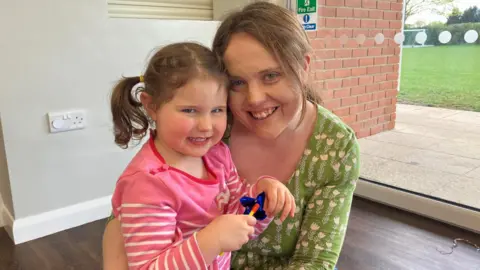
Rachel says she's looking forward to seeing her daughter Mia "enjoy all the challenges" of school
"I'm quite excited for her," Rachel says.
"I think she's more than ready to go, nursery has been brilliant at prepping her."
Rumayna says she has been "anxious" to find out if her daughter Izzie will get into the same primary school as her older brother, but she is "definitely ready".
"It helps that she's seen her big brother attend school and been there at drop-off and pick-up - she wants to run in herself," she says.
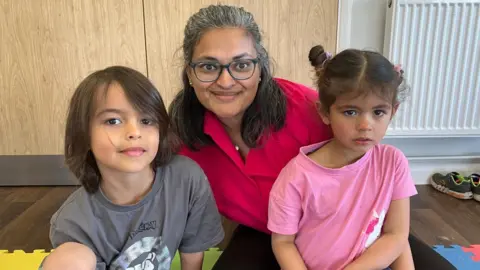
Rumayna hopes her daughter Izzie will get into the same primary school as her older brother
She welcomes the guidance for parents, but says it is important that it is "non-judgemental and supportive".
"You look at your peers and friends and think when they start school surely they have to be potty-trained, so it puts a lot of extra pressure on you," she says.
"There's definitely room for more support ad guidance for parents, because you're kind of left to your own devices."
Parents in England and Wales are receiving primary school offer letters on 16 April.
In Scotland, councils allocate school places on different dates, and children in Northern Ireland have already got their places.

















































