3 months ago
21
3 months ago
21
Annual interest costs, for instance, are expected to climb by 202 per cent between the past financial year and 2027-28.
General government net debt is on track to rise from $4.2 billion to $13 billion.
Spending has been growing close to 10 per cent a year since the turn of the decade. Revenues have not matched the spending explosion.
Treasury officials used their pre-election outlook report (over which politicians have no control) to paint a picture bleaker than the Tasmanian wilderness in the depths of winter.
“The state budget has a structural problem. Expenses, significantly driven by health demand and costs, are growing at a faster rate than the state’s current sources of revenue,” it said.
“This structural imbalance has developed over a number of years. Recent state budgets and forward estimates have been defined by increasing deficits and debt. As a state, we are spending more than we earn and the gap is growing.”
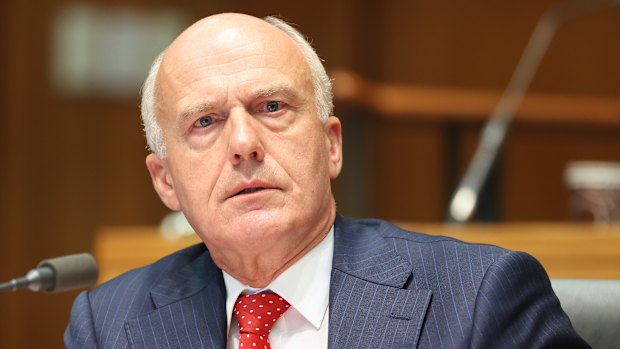
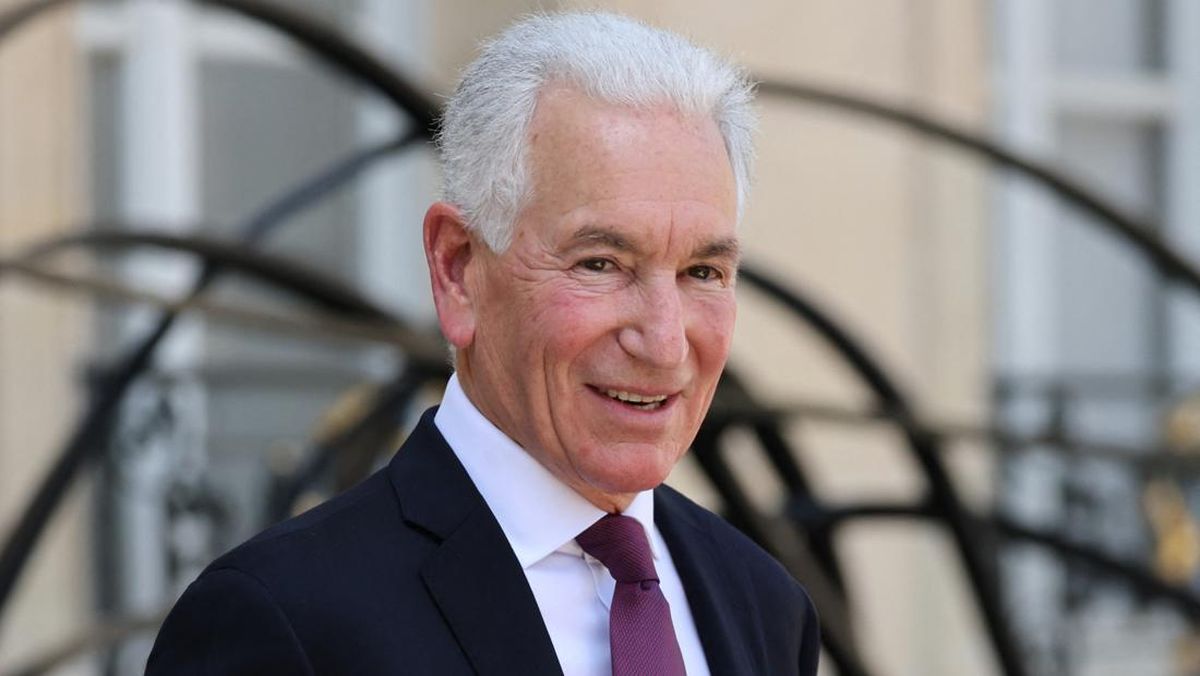
New Tasmanian Treasurer Eric Abetz faces a monumental task in repairing the state’s finances.Credit: Alex Ellinghausen
The department mapped out some options for Abetz and his premier, Jeremy Rockliff. None of them are pleasant.
Warning the growth in state debt is “not sustainable” and will only get worse, it said immediate and sustained action was required. That included spending cuts, possible privatisations and tax increases.
“A combination of revenue and expenditure measures will be required. No single class of intervention is likely to be sufficient to move Tasmania to a sustainable fiscal trajectory,” it said.
Loading
It also said that if the government moved too quickly to repair the budget (as some fiscal hairshirt types might suggest), then this would provide “negative shocks to the economy in an outlook of economic uncertainty”.
You might wonder what this unfolding disaster in Tasmania means to taxpayers in suburban Sydney or Melbourne.
Well, just like Lang back in 1932, if Tasmania fails to get its debt and interest levels under control, the federal government would be left carrying the can for Apple Isle taxpayers.
Ostensibly, this could be through funnelling more assistance to the state to help it cover certain costs, like a special grant to help fund Tasmanian hospitals.
Loading
It’s happened before.
The Howard government effectively took control of the Mersey Hospital in the marginal Tasmanian seat of Braddon in 2007, becoming the nation’s only Commonwealth-owned hospital. It was returned to state control, along with $730 million in federal cash, a decade later.
Such a move would upset other parts of the country if it appeared the federal government was bailing out a state which had got itself into a financial pickle.
But it could get more serious.
If Tasmania found it was unable to pay its creditors, it’s difficult to imagine a federal government allowing the state to default.
Tasmania has about $1.3 billion in state government bonds maturing in February next year. That includes $265 million held by the Reserve Bank which bought about $1 billion in Tasmanian government debt during the depths of the pandemic to push down state borrowing costs.
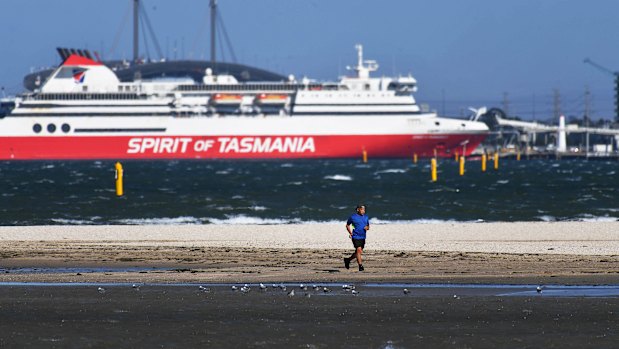
Troubles with new ferries for Tasmania have been one of the issues hurting the state budget.Credit: Joe Armao
A default would affect the ratings of every other state, pushing up borrowing costs for taxpayers from Byron Bay to Exmouth.
Abetz and his team should be bracing for the state’s credit rating to be downgraded, no matter what comes out next week. S&P Global, for instance, put Tasmania on a negative outlook when it last examined the state’s finances in November last year.
Loading
It’s gone pear-shaped since then, so Tasmania’s credit rating is likely to be cut to AA or even lower with a knock-on effect to the interest rates on its future borrowings.
That should be a warning bell to every state and territory (bar Western Australia which continues to be funnelled cash by the rest of Australia due to the increasingly disastrous GST deal) that budget management still matters.
Abetz used his first speech to the Tasmanian parliament last year to argue the current generation should not leave debts for future generations “because we are too selfish to tighten our belts”.
That rhetorical flourish is about to be utterly tested.
If he fails, watch out for a premier wandering around with empty suitcases looking for cash.
Shane Wright is a senior economics correspondent for The Age and The Sydney Morning Herald.
The Morning Edition newsletter is our guide to the day’s most important and interesting stories, analysis and insights. Sign up here.