3 months ago
15
3 months ago
15
Sydney in 2026? We’ve come a long way, but there’s still a long way to go
We’re sorry, this feature is currently unavailable. We’re working to restore it. Please try again later.
A decade ago, the Herald published a series called Sydney 2026: How we will live and work in 10 years.
Now that 2026 is upon us, our state reporters have revisited the series to see what has been achieved and what has not in the decade since – and where we might focus our attention now.
If you have ridden the Sydney metro even once, or arrived at the airport in a car by tunnel without enduring a hundred traffic lights, you will know our biggest achievement in the past decade has been transport and roads. It’s hardly a secret that housing and healthcare remain enormous challenges.
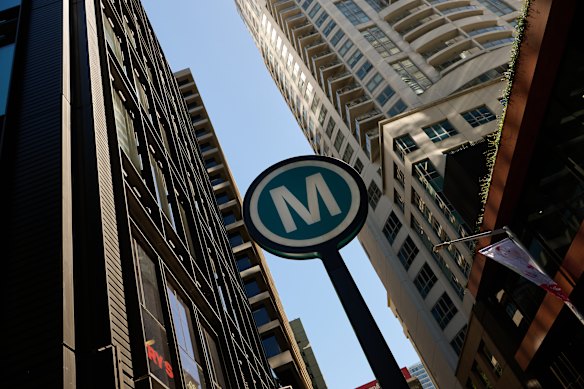
The Sydney metro is among the city’s finest accomplishments of the past decade. Credit: Flavio Brancaleone
Predictions that Sydney would end its love affair with the motor car have not materialised, despite the significant investment in public transport. And nor has the housing needed to cater for the population – especially not at prices younger people and low-paid workers can afford.
“The Sydney of 2026 will have crossed over that magical Australian barrier of the love affair with the motor vehicle,” said David Pitchford, then chief executive of government property agency UrbanGrowth NSW in 2016. “We will have moved away from everybody having three cars, and we will have moved into a situation like most European capitals, where people under 25 don’t even have a driver’s licence.”
Loading
Anyone who lives in the outer suburbs knows what three-car households look like, a situation exacerbated by adult children still living at home because they can’t afford to move out.
Try as the state might – and the Minns government to its credit has pulled numerous levers, including the low- to mid-rise housing policy, the transport-oriented development policy and the inception of the Housing Delivery Authority – the scale of housing in the pipeline barely meets demand.
Department of Planning, Housing and Infrastructure secretary Kiersten Fishburn says more apartment blocks scattered throughout the city won’t come at the cost of more detached houses on the fringe – they will be a necessary addition to them.
“It’s everything, everywhere, all at once,” she says, echoing the sentiments of former planning minister Rob Stokes, who told the Herald a decade ago that only a mix of new detached housing on the fringes, along with “missing middle” higher density in middle and inner suburbs, would move the dial.
The kicking and screaming from councils representing residents in quiet suburbs is understandable, but the jig is up. Our children need somewhere to live.
Loading
The other enormous challenge facing the state is the healthcare crisis, fuelled by an ageing population and an underinvestment in aged care. At last count, patients waiting for discharge to aged and disability care occupy 1200 hospital beds across NSW every night. Later in the week, we will examine what needs to change for our hospital system to cope with the challenges ahead.
Sydney has come a long way since 2016 and our transport system is the envy of the nation. But resting for too long to admire what has been achieved will only diminish the city’s liveability for future generations.
Most Viewed in National
Loading