1 month ago
6
1 month ago
6
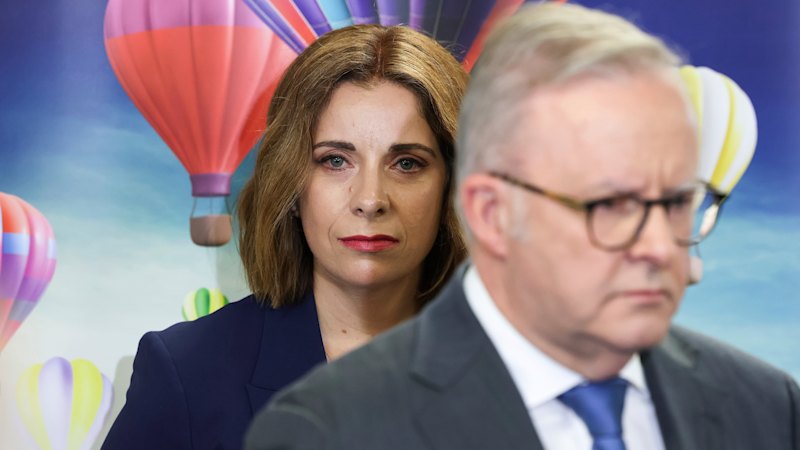
Opposition Leader Sussan Ley will seek to refocus the Coalition on winning the next election, using a major speech to promise future tax cuts and an overhaul of industrial relations laws while making a direct appeal to young voters.
As turmoil within both the Liberal and National parties continues to undermine Ley, she will set out key election marker points in an address to the conservative Centre for Independent Studies in Sydney on Monday.
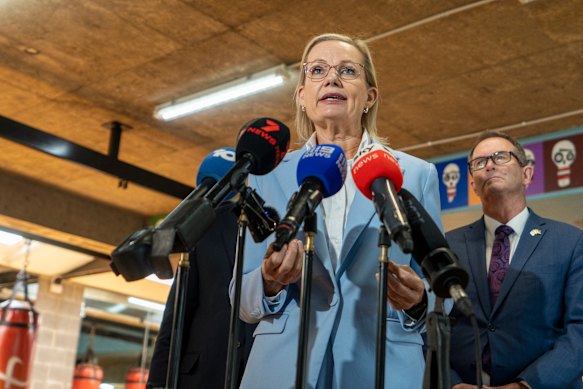
Liberal leader Sussan Ley is fighting to change the course of the opposition. Credit: Eamon Gallagher
While not setting down explicit policies, Ley’s address – the second in a series of speeches she is giving to map out the Coalition’s proposed path back to government – will argue that her shadow ministry will focus on lower personal income taxes and budget repair.
“We’ll start where the pressure is greatest – low and middle-income earners who are feeling the squeeze from higher prices and rising living costs,” Ley will say.
“This is not a passing policy preference. It is more than just a commitment to lower taxes.
“I have never been more convinced, more determined and more passionate about anything I have ever done in public life than I am today in making this pledge to the Australian people.”
Loading
Peter Dutton went to the last election promising to repeal Labor’s modest personal income tax cuts that begin next year and vowed to cut fuel excise instead, baffling some colleagues who believed the Liberals should always offer lower taxes than their opponents. Those tax cuts will result in the 16 per cent tax rate being reduced to 14 per cent and deliver their largest benefits to low-income earners.
Last week’s decision by the government to overhaul its planned superannuation tax changes, which the Coalition is considering opposing, also includes a substantial lift in the low-income superannuation tax offset.
Ley, channelling Robert Menzies’ famous “forgotten people” speech, will say the ramp-up in government debt, which last week reached $966.8 billion, and high tax rates on working people would largely be borne by younger voters.
“We will act to deliver intergenerational fairness. Millennials and Gen Z are Australia’s new forgotten generation,” she will say.
Ley will say early work on tax cuts has already started, but the scale and scope of an eventual package will not be clear until the final position of the budget becomes clearer “over the next two and a half years”.
Ley will also hint at unwinding the government’s pro-union workplace laws that the Dutton opposition left alone.
“We believe in enterprise-level bargaining – where businesses and their staff can strike agreements that reward higher performance and suit their circumstances – rather than industry-wide decrees,” she will say.
“I want to give Australian workers this assurance: flexibility does not mean stripping away worker protections; it means giving workers more choice in how they balance work and life, and giving businesses the ability to test new ideas, attract talent, and reward merit.”
Loading
Ley, who spent much of last week attacking the Victorian state government over criminal activity there, will say the federal government should “do fewer things and do them better”.
“People want a parliament that understands what their life is like and a government that gets out of their way. Canberra should never try to be all things to all people,” she will say.
Treasurer Jim Chalmers seized on the address to attack Ley and the Coalition.
He noted that at the last election, the Coalition took a plan to voters that made the budget bottom line worse while also increasing taxes.
“They’re promising more spending and smaller deficits, Australians deserve to know how they’re going to do it,” he said.
“This can only mean savage cuts to Medicare and other essential services to pay for their promises.
“The Coalition took to the election a plan for higher taxes for every taxpayer, more debt and bigger deficits to pay for nuclear reactors.”
The independent Parliamentary Budget Office, in a post-election analysis of government and opposition policies, found the Coalition’s plans would have increased budget deficits over the next decade by $460 billion and increase gross government debt by $147.3 billion to $1.7 trillion.
Most Viewed in Politics
Loading