3 months ago
25
3 months ago
25
The announcement by China’s Ministry of Commerce said top suppliers, including Brazil, Argentina, Uruguay and New Zealand, have been given quotas in line with their respective market share.
The numbers in question appear to be based on trade with China from 2022 to 2025.
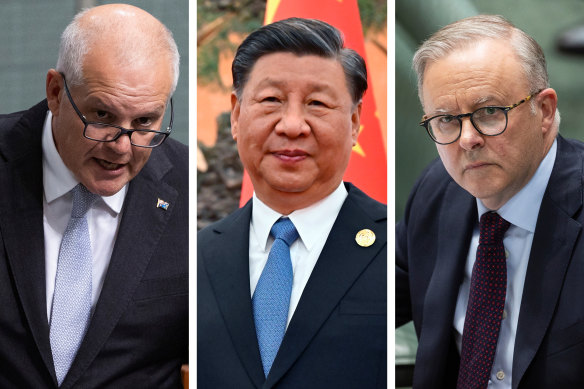
Australia’s beef producers may still be paying for Scott Morrison’s pandemic stand-off with China’s Xi Jinping, despite recent efforts to mend the relationship by Anthony Albanese.Credit: Alex Ellinghausen and AP
For Australian producers, this covers the years when our beef was still hit by the COVID trade sanctions, which banned many of our beef processors from exporting to China.
It means Australian producers have been hit with an export quota that is significantly lower than normal circumstances would dictate.
Loading
Thanks, ScoMo.
In broad terms, the restrictions don’t look that bad. The 2.7 million tonne quota threshold for 2026 is within shouting distance of the 2.9 million tonnes of China’s beef imports last year.
Brazil takes the lion’s share, with 1 million tonnes allowed before the prohibitive tariffs kick in.
But Australia, the world’s second-largest beef exporter behind Brazil, has been allocated just 205,000 tonnes.
That’s far less than Australia’s shipments to China last year, when our cattle industry finally started recovering from China’s previous trade restrictions.
The Australian Meat Industry Council (AMIC) said beef exports to China had topped 300,000 tonnes annually by the end of October. The industry group has flagged a billion-dollar hit to our beef exports to China from the new restrictions.
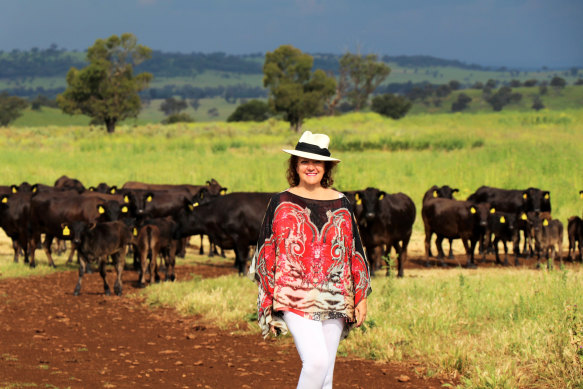
Gina Rinehart owns one of the country’s largest herds of Wagyu cattle.Credit: Rinehart’s Hancock Prospecting owns two cattle stations in WA’s Kimberley region
Brazil could argue it is being hit even harder, given it exported 1.7 million tonnes to China last year, but this was an outlier compared to its average exports to China since the pandemic.
It may not be a coincidence that Brazil’s beef exports to China exploded 38 per cent last year just as Donald Trump smashed Brazil’s US imports with even more punitive tariffs. Brazil’s beef exports to the US, its second-largest market, had plunged more than 40 per cent over the same period.
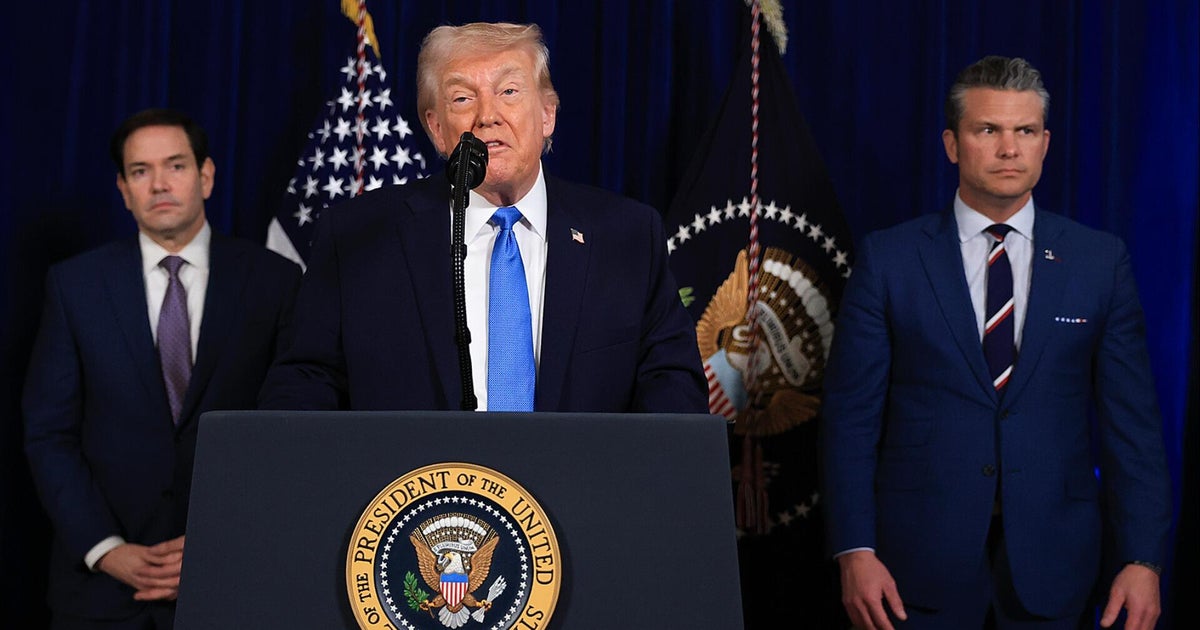
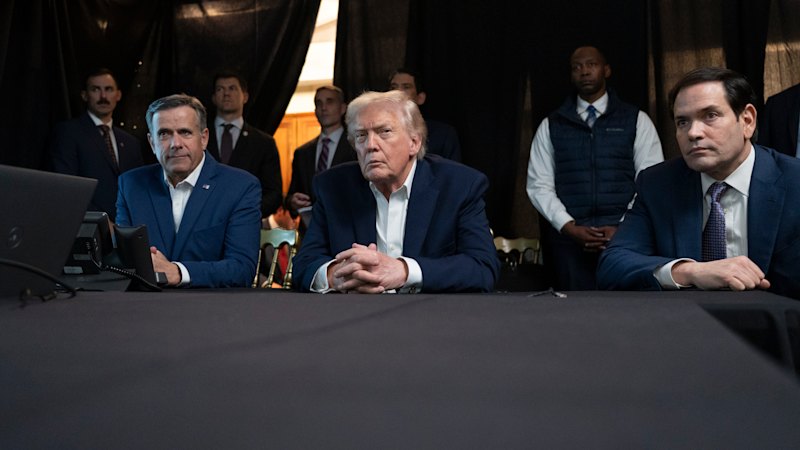
Brazil is recovering from that slump now that Trump desperately needs lower beef prices in the US ahead of midterm elections this year.
Engineering lower prices won’t be that simple for the US President. High demand and dismal supply in the US helped drive global beef prices to record highs last year, and the fundamentals have not changed.
It is why cattle barons like Rinehart will have been making a fortune as Australia’s beef export volumes also hit a record high, up 15 per cent year-on-year.
It is hard to see how China’s new quotas could change that equation, but global trade flows could change if the shutters are raised on this growth market.
Loading
US beef quotas have been set well above its current exports to China amid the US shortage.
It is hard to see how Team America can fill this export order without creating bigger shortages at home – and triggering fresh record exports of Australian beef to the US.
And we don’t actually know if China can produce enough beef to limit overseas sellers to the quota it has set, which rises in the following two years.
The good news is that this trade chaos should be good for Australian consumers.
If China can dampen its appetite for foreign beef, it increases the bargaining power of other global buyers, including Australian supermarkets, which should lead to cheaper prices for local shoppers.
And as one local producer said to this masthead, shoppers “may get to enjoy some of that premium beef that would have once gone to China”.
If so, it would be a silver lining for an embattled Anthony Albanese. And he will be able to thank Scott Morrison for that.
The Business Briefing newsletter delivers major stories, exclusive coverage and expert opinion. Sign up to get it every weekday morning.