3 months ago
42
3 months ago
42

January 29, 2026 — 4:05pm
More than 50,000 people have avoided paying stamp duty to purchase their first home under the state government’s signature first home buyer scheme, but experts warn the policy is a “sugar hit” that is leading to higher prices.
Data released by the NSW Labor government on Thursday reveals nine of the top 10 suburbs where properties have been purchased with reduced or no stamp duty are in western Sydney. Westmead, Liverpool, Campbelltown and Parramatta were the four suburbs with the most buyers who used the scheme.
Since July 2023, the state government has allowed people buying their first home to be excluded from paying stamp duty on homes under $800,000, and to pay reduced stamp duty on homes between $800,000 and $1 million.
Stamp duty is a one-time tax that governments apply to transfers of homes. The cost of stamp duty has risen significantly faster than incomes over the past 25 years, becoming so prohibitive as to discourage the buying and selling of homes, analysts say.
By removing the need for first home buyers to pay stamp duty, entrants to the market can afford higher-value homes. Government data shows this has been the case for the 58,111 households that paid no stamp duty and the 24,063 people who received a concession since July 2023 when the policy came into effect. The total saving to purchasers since then has been $1.7 billion.
When broken down by local government area, the top five areas by properties purchased are the City of Parramatta, Blacktown, Cumberland, the Central Coast, and Canterbury-Bankstown.
“The data reflects that first home buyers are being drawn to where there is more affordable housing … and an active property market,” said Terry Rawnsley, an urban economist at KPMG. There is a “clear line”, he said, between new housing stock and people purchasing their first properties.
But the policy is also having an unintended consequence: despite reducing the barriers for some to purchase their first property, the scheme is already impacting affordability in the medium term.
The number of buyers taking advantage of the concessions dropped between the first and second year of the program by 6.5 per cent, from 35,000 to 33,000, according to analysis from Cotality’s Tim Lawless, who called the scheme a “sugar hit”.
“That’s a really telling statistic,” he said. “The number is still big. But the fact there’s been a decline highlights that there are fewer properties eligible [under $800,000 for an exemption].”
The program increases demand for homes, which is “popular, but probably diminishing in its popularity”, Lawless said: because higher demand leads to higher prices, the number of homes that can be purchased under $800,000 is shrinking.
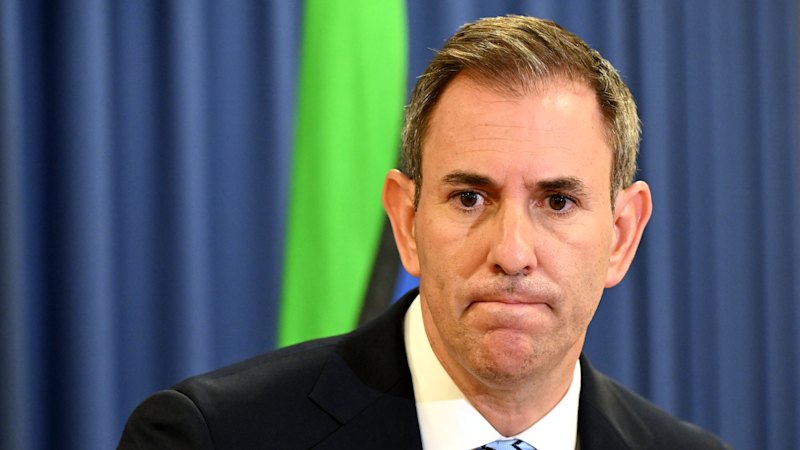
At a press conference on Thursday, Treasurer Daniel Mookhey said the government would consider increasing the $800,000 threshold established in 2023.
“We will now be at that phase where we will look to see whether or not the scheme needs to be adjusted to suit conditions,” he said.
Start the day with a summary of the day’s most important and interesting stories, analysis and insights. Sign up for our Morning Edition newsletter.