3 months ago
14
3 months ago
14
A top restaurateur has reignited the debate over closing times in Brisbane. But here’s the real problem with the city’s current idea of a night-time economy.

Imagine a restaurant that closed at 2am.
Not a taxi driver special or a suburban dosa spot. Imagine something like Golden Avenue pumping well past midnight, diners coming and going, its attached bar humming.
That was the collective thought experiment conducted by the local hospitality industry last week after Anyday co-owner Tyron Simon revealed plans to open two CBD venues – the recently opened Golden Avenue and the soon to open French Quarter – until 2am.
Reactions I fielded – often unsolicited – from industry sources ranged from, “Wait, what? Why?” to, “Absolutely! Why not?”
It’s a discussion that seems to flare up once a year, at least: why can’t our restaurants stay open later? And then it dies down again, given the chicken-or-egg nature of the conundrum: we need people out late to dine late, but they won’t be out late if nothing’s open late.
Sydney and Melbourne are often carted out in the debate but, broadly speaking, their restaurants only remain open marginally later than Brisbane’s after venues nationally rationalised their hours of operation in the high-inflation, high-interest rates post-pandemic years.
Someone needed to stick their neck out and give true late-night dining a crack in this city, even if 2am seems a little extreme. But Simon’s a shrewd operator so he should be applauded for playing guinea pig.
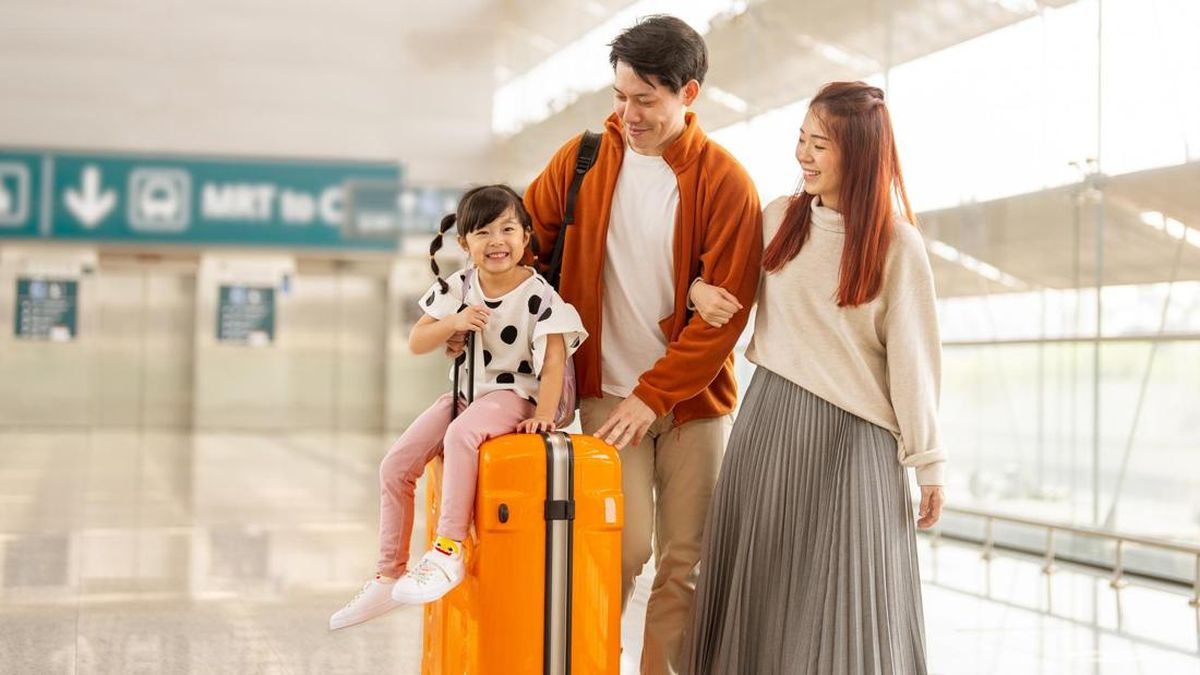
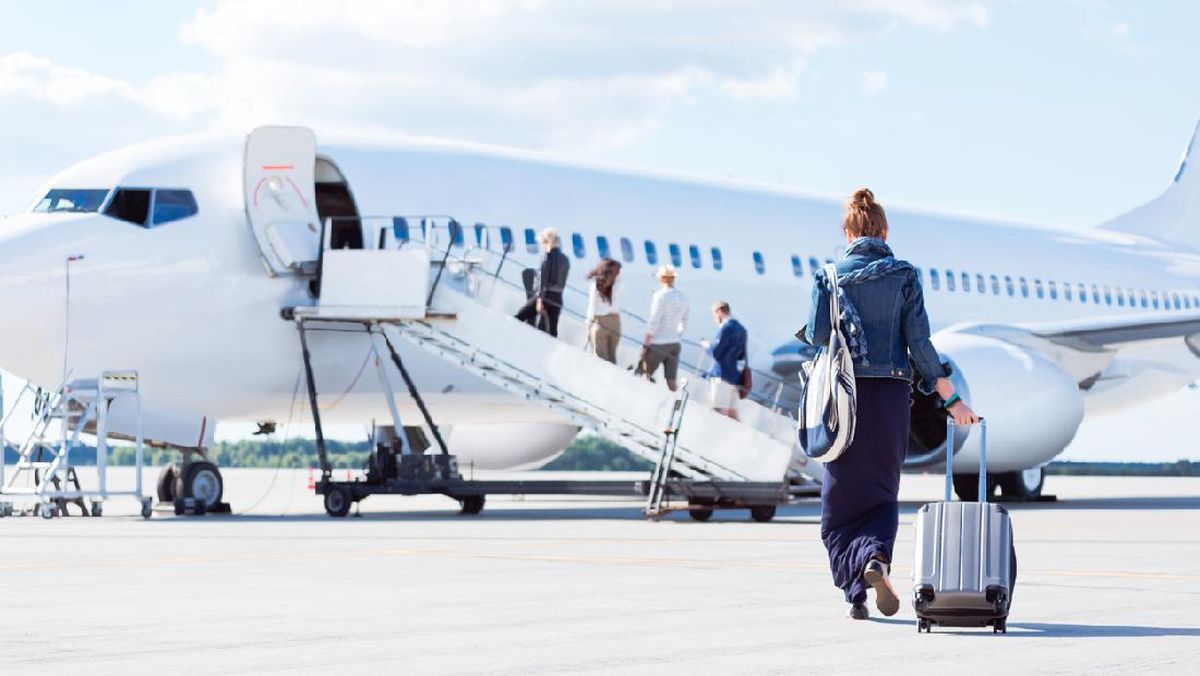
His specific angle is providing a destination for travellers who land late at Brisbane International Airport, but his move comes on the back of a broader discussion about the night-time economy in Brisbane, and the CBD in particular.
There has been a steady stream of restaurant and bar openings between Wharf and George streets in the past 24 months, but not much else.
In its focus on making the city the place to be, the council seems to have forgotten that an economy isn’t built on booze and food alone. The last theatre moved out of the city years ago, and shops are open late just one night a week. We lack a Chinatown running through our guts like Melbourne (which also boasts a stack of CBD theatres), or on the edge of the city like Sydney.
The one time in recent memory a private operator, Foundation Theatres, proposed a venue in the CBD – albeit on its fringe, down at William Street – the then state government effectively killed it off by proceeding with its own new theatre, QPAC’s Glasshouse Theatre. Never mind that the private build would have cost taxpayers $25 million compared with $175 million for the Glasshouse.
A longtime CBD restaurateur told me recently the council should refit City Hall to host general admission live music, rather than the daytime classical stuff it currently seems limited to.
“How sick would that be?” he said. “That would indeed be very sick,” I replied.
It’s frustrating because in a public transport-constrained city such as Brisbane, the CBD is even more of a natural hub. It’s easy to get to, as is Fortitude Valley and South Brisbane, and precincts in and around these suburbs, such as James Street, South Bank, Howard Smith Wharves and Fish Lane. But other places – your Woolloongabbas, West Ends, Paddingtons and Caxton Streets – not so much, and they often involve a transport change in the city.
Should restaurants be allowed to stay open until 2am? I’m in the “why not” camp. But I also reckon it’s the wrong question – or not the only question, at least – we should be asking.
Instead, we should be starting with our small boozers.
It’s interesting to talk to bar owners eight years on from the introduction of compulsory ID scanning.
What used to generate a new story every week in 2017 (in food journalism, at least) now feels like a normal part of going out. And it has become a much more seamless experience, with the boxy scanners with their ethernet cords replaced by more reliable handheld units.
But that hasn’t made them any less onerous for operators, who need to hire extra staff – it might be just one guard to man the scanner – and will talk to you about how it’s almost created a security skills gap.
“Some guards just spend their night doing an admin job, basically,” one operator told me recently. “If they leave the scanner to deal with someone being unruly and liquor licensing rock up, you can land in all sorts of trouble.
“It’s me and the managers who are giving folks their marching orders.”
Just like old times, then.
Another seasoned bar manager told me he expected a change in focus from blanket scanning to just larger clubs and venues with a history of trouble.
“Scanners at small bars will be gone within a year,” he declared without batting an eyelid.
Which all fits with Simon’s push to keep his restaurants open until 2am. If that’s to happen, liquor licensors will need to make some new allowances, and it’s easy to imagine a rethink on scanners as part of that.
It still won’t be close to a true night-time economy in the CBD, but it will help. And if restaurants are suddenly allowed to stay open until 2am, it only makes sense that the surrounding constellation of small bars be given more room to manoeuvre as well.
Restaurant reviews, news and the hottest openings served to your inbox.