3 months ago
4
3 months ago
4
The International Monetary Fund has urged the Albanese government to develop a bold tax reform package including a higher GST and the end to various tax breaks to help pay the cost of much lower company taxes and imposts on working Australians.
In its annual review of the state of the economy, the IMF raised concerns about the level of state and territory government debt, which is on track to surpass $1 trillion by the end of the decade, while urging the federal government to set clearer budget targets.
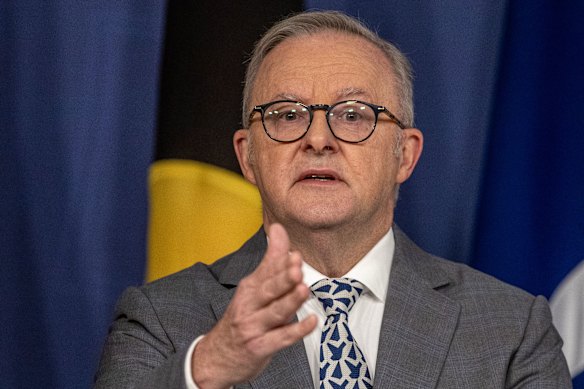
Prime Minister Anthony Albanese is being urged by the International Monetary Fund to embrace bold tax reform.Credit: Sam Mooy
The so-called Article IV report, which the IMF carries out on all its members, is a stocktake of fiscal and monetary policy, the economic outlook and possible near-term threats.
It found the Australian economy was gaining momentum, with inflation having “declined significantly”, the jobs market had remained strong, and the private sector was recovering. It expects GDP growth to lift from 1.8 per cent this year to 2.1 per cent in 2026.
But it said to boost the nation’s growth prospects, the federal government had to “tackle fiscal and structural challenges”. That should include major tax reform that would improve the budget, enhance the economy’s resilience to global disruption and lift productivity.
Loading
“A comprehensive tax reform package could usefully complement these efforts by helping boost economic efficiency, productivity and intergenerational equity,” it said.
“For example, an increase in indirect taxation, the reintroduction of a resource revenue tax, and removing income tax exemptions could offset lower corporate and labor taxes, thereby lowering the cost of capital and increasing incentives for investment and work.
“Expenditure reforms should continue to target efficiency in growing cost areas (such as NDIS and aged care) and protect productive infrastructure investment.”
The IMF warned that even though economic growth was likely to lift in the coming year, there were downside risks.
The biggest threat was uncertainty across the global trade system, which has been knocked by the Trump administration’s aggressive tariff strategy. Softer household spending could also delay Australia’s recovery and push up unemployment.
But it also warned that inflation could prove more resilient. This could force the Reserve Bank to leave interest rates on hold for an extended period.
In a sign of the IMF’s concerns about the large debt levels being taken on by most states and territories, the fund said “fiscal co-ordination across the federation” is now crucial, particularly in areas such as climate change and tax reform.
It suggested the independent Parliamentary Budget Office be given oversight of state budgets.
It also argued that while the federal government’s spending had been effective post-pandemic, structural pressures on the budget could grow, which would require clearer “fiscal anchors” such as a commitment to the size of government spending.
Loading
The fund noted that the country needs a broad policy agenda to deal with the structural barriers that restrict new housing supply.
It warned that the government’s expanded 5 per cent house deposit policy, which started last month, “may contribute to price pressures in the near-term by accelerating demand”.
As part of any tax reform, it said a move away from state stamp duties and towards land taxes would help promote better use of land and the nation’s existing housing stock.
It also suggested that “tax arrangements that affect housing demand and investment”, such as the capital gains tax concession and negative gearing, should be reviewed with any savings from changes directed towards supporting new housing.
The government will soon receive a final report from the Productivity Commission on business taxation. Its interim report proposed a world-first cash-flow tax that would effectively penalise companies that did not increase capital investment.
That proposal has been widely rejected by the business community.
On Wednesday, Treasurer Jim Chalmers signalled he was open to other proposals to boost investment.
“I am interested in trying to find a way, an affordable way, a responsible way, that we could incentivise more investment using the tax system. I’m up for that,” he said.
Most Viewed in Politics
Loading