2 months ago
18
2 months ago
18
February 18, 2026 — 4:50pm
Interest rates could be driven up higher to stave off high prices under a generational overhaul of the Reserve Bank put on the agenda by new shadow treasurer Tim Wilson.
On the same day Treasurer Jim Chalmers faced criticism for real wages falling for the first time in two years, Wilson called for a contentious rethink of the bank’s 80-year mandate to keep a lid on inflation while also ensuring as many Australians as possible stayed in jobs.
The Reserve, like America’s Federal Reserve and several others around the world, has had a so-called “dual mandate” since the mid-1940s. It is required to keep inflation between 2 and 3 per cent while also maintaining “full employment”.
An independent review of the bank in 2023 backed the dual mandate on inflation and jobs but Wilson, siding with inflation hawks who believe rates were kept too low, declared another review was required.
“The RBA has unquestionably got some decisions wrong in recent years,” Wilson said in an interview with this masthead.
“I think it’s confused about what its core purpose is to do, and it should be to focus on reducing inflation. It’s something we’ll review … but the focus has to be on addressing the problems of inflation.”
Wilson’s proposal would alter the way the nation dealt with the ups and downs in the economic cycle. It could lead to sharper spikes in interest rates that cause deeper downturns and more job losses. But the trade-off is that price growth could be slowed down, allowing a government to claim it was keeping a lid on living costs.
Wilson, a moderate who defeated teal Zoe Daniel at the last election, previously expressed concern about the bank’s handling of inflation as chair of the House of Representatives’ economics committee in the Morrison government.
The Reserve Bank, which this month increased the cash rate to 3.85 per cent, has defended itself by saying it did not push interest rates up as high as other central banks as it wanted to keep unemployment low. Governor Michele Bullock talked up the strength of the labour market, with the jobless rate at 4.1 per cent.
Bullock noted countries such as New Zealand and Canada – whose central banks only target inflation – had much higher unemployment levels after pushing their cash rates much higher than Australia’s.
Canada’s jobless rate is 6.8 per cent while in New Zealand, where interest rates were held at 2.25 per cent today, unemployment is at a five-year high of 5.4 per cent. But those countries have not started to hike rates again, as the Australian bank has.
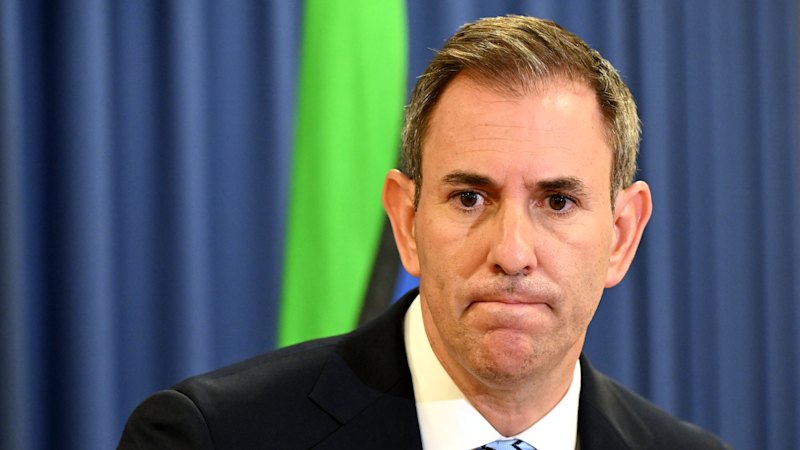
Chalmers responded to Wilson’s suggestion by saying his new counterpart “either doesn’t understand the dual mandate and why it matters, or he wants to see many more people unemployed”.
“It’s only day two and already his first big gaffe,” Chalmers told this masthead, “undermining bipartisanship on the dual mandate which has existed for decades since it was established by Howard and Costello. Not even his two predecessors messed up this badly, this early.”
Wilson said Chalmers should focus less on him and more on managing the economy, after new data showed a 0.8 per cent quarterly rise in incomes for the back end of last year. Annual growth was 3.4 per cent, compared to the 3.8 per cent inflation rate over the same period, meaning the real wages are going backwards.
Chalmers is facing calls from economists and his political opponents to cut spending in the May budget. Former Reserve Bank boss Philip Lowe told The Australian Financial Review on Wednesday that government policies were driving up inflation and crimping productivity.
The treasurer took a swipe at Lowe on Wednesday as he talked up the government’s previous wins on real wage growth.
“Phil Lowe would have liked to have been reappointed by the government. After he wasn’t reappointed by the government, he’s become a fairly persistent critic of the Labor government,” Chalmers said at a press conference in Queensland.
The head-to-head contest between Wilson and Chalmers, two political brawlers with ambitions to lead their respective parties, has become a talking point after Angus Taylor unveiled a new frontbench on Tuesday. Taylor has focused on revitalising the party’s fiscal credentials after Chalmers got the better of the opposition last term.
Chalmers, whose PhD was on Paul Keating’s reform agenda, has put tax reform and spending cuts on the table for his upcoming budget, heightening expectations among commentators.
Wilson sledged Chalmers in the interview with this masthead, calling him a “warm lettuce treasurer”, using an insult Keating famously directed at former Liberal leader John Hewson.
“It’s all rhetoric and no reform,” Wilson said, suggesting Chalmers was a tax-and-spend leftist who redistributed wealth, whereas Keating was interested in building the economy.
“He rhetorically likes reform, but he’s always under Albo’s thumb and he hasn’t found a way out of it. Because at the end of the day, he’s focused on the Keating rhetoric, but doesn’t actually understand his legacy.”
Wilson opened the door to reviewing the GST to generate more revenue from efficient taxes and reduce income taxes. He also said he had an open mind to indexing income tax brackets to inflation, offsetting bracket creep.
Wilson said the government needed to rein in fraud on building projects – as revealed by this masthead’s recent reporting on the CFMEU-driven cost hikes in the Big Build – and what he said fraud in the NDIS amounting to up to 10 per cent of the program’s cost.
“I’m looking at how we build an economy for the 21st century, not simply tinkering at the margins,” Wilson said.
“There are many things people will say about me, but I look for unconventional ways to solve problems, which is why I won’t always start with the framing that everybody else wants.”
Cut through the noise of federal politics with news, views and expert analysis. Subscribers can sign up to our weekly Inside Politics newsletter.