3 months ago
25
3 months ago
25
November 11, 2025 — 5:00am
I gave up on airline food a while ago. I rarely eat anything served on a flight if I can help it. Instead, I bring my own.
What sent me over the edge? Too many hot, soggy pastries. Gooey omelettes oozing reconstituted eggs. Chocolate mousse that felt like shaving cream on the tongue.
Over the years working as a travel writer I’ve dutifully visited many airline kitchens, where culinary staff tout the research and development that has gone into providing quality in-flight meals. And yet, when it comes to flying in economy with those airlines, I’ve rarely seen any of this splendid stuff on my tray table.
With all this money spent on developing meals, why is so much airline food exactly the same, loaded with carbs, fat and sugar?
Tray tables look identical – sad salad, foil-covered pasta or stew, a tasteless cream-topped dessert, a hard bread roll with icy butter. If there’s a fruit salad, it consists of unappetising chunks of under-ripe melon and apple.
Every single time.
The budgets they allocate are so small you can only get crap food into it. You only get pastry because it’s cheap.
Nutritionist Susie BurrellThat’s flying long-haul. Domestically, food offerings can be equally disappointing.
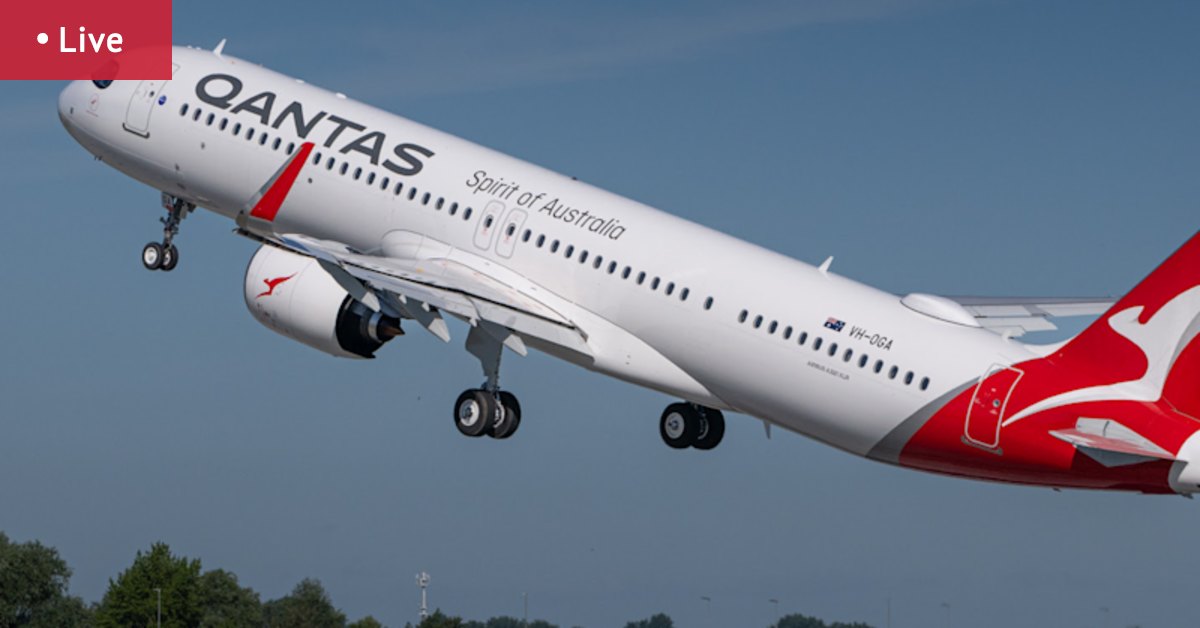
On my past two domestic flights on Qantas I’ve been offered samosas, consisting of pastry and a scraping of vegetables, and a whopping great sugary biscuit, which is hardly much healthier.
The airline recently released a “refreshed” domestic menu. Hot meals on short flights include a quiche, while on longer flights it’s a beef and black bean chow mein. For lunch, passengers might luck out with a chicken and avocado sandwich on multigrain bread. Morning tea is biscuits, and a chive and cheese dip with crackers in the afternoons.
It sounds good.
Not according to dietitian and nutritionist Susie Burrell, who flies frequently with Qantas on domestic routes.
“I’ve never seen in my years of travel a truly healthy option,” Burrell says, “except the time I got a little thing of carrot sticks, salsa and crackers.” (Qantas says there are apples if you ask for them.)
“In the last handful of flights I’ve been on, I’ve been served a curry puff or a Turkish pita with feta, sun-dried tomato and chorizo, which was basically just a slab of white Turkish bread with a sprinkle of feta and fatty meat on top. These are high carbohydrate, energy-dense, high-fat options with little to no nutritive value.”
Qantas says customer feedback is central to the new menu design, so perhaps most customers are happy with curry puffs and quiche?
The lack of choice is the biggest issue, Burrell says. Unlike Qantas’ included food, you pay for meals on Virgin and Jetstar, so in theory that should give you more choice. Unfortunately, they’re no better in terms of healthy options, says Burrell.
She says that airfares are expensive “so you should be able to get a healthy option if you choose it. The budgets they allocate are so small you can only get crap food into it. You only get pastry because it’s cheap.”
It’s what airlines think constitutes a healthy meal that concerns Burrell the most. Pastries and sugary, fatty treats such as biscuits are the worst things you can eat, she says.
And yet airlines seem rusted on to providing them. Flying is boring, so the occasional chocolate or ice-cream to perk you up might seem harmless; besides, carbs are filling and put you to sleep.
But “ultimately, you want to minimise the load on the gut because you’re not moving for long periods of time, or in the case of long haul, as you fly, you’re often eating at times you shouldn’t be eating,” she says.
“Heavy, processed carbohydrates, white bread and rice noodles are not a good idea for digestion or glucose control. In the case of the pastry-based foods, my concern would be the addition of trans fats and saturated fats, which are two nutrients we don’t need.”
Burrell’s advice? Bring healthy snacks.
“You don’t know if the plane’s going to be delayed, you don’t know if the food’s going to be good. I usually pack some little wraps because they keep very well,” she says.
“I would always take some protein snacks, whether it’s cheese and crackers or a protein bar. If I’m hungry in the middle of the night, and the only thing available is chips and chocolate, I have something decent to eat.″
I’ve been doing this for a few years too. I arrive off long flights feeling much better. But in the spirit of complete transparency, I must admit there’s usually a chocolate bar tucked in there for emergencies.
Sign up for the Traveller newsletter
The latest travel news, tips and inspiration delivered to your inbox. Sign up now.