3 months ago
5
3 months ago
5
A $10 billion surge in home loans taken out by investors since the Reserve Bank started cutting interest rates is prompting calls for bank regulators to impose nationwide borrowing restrictions to prevent a further lift in house prices.
In the three months to the end of September, investors took out more than $40 billion worth of mortgages, with the overwhelming majority of them used to buy existing properties. It was both a record for the value of loans, which have climbed by more than a third in six months, and the number of loans, which climbed to 57,624.
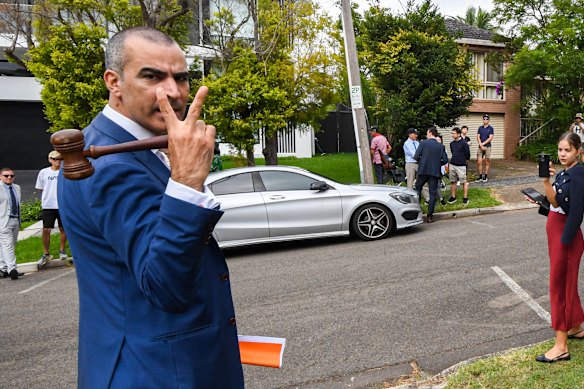
A surge in investor activity, fuelled by strong lending by the nation’s banks, could force new rules to slowdown the market.Credit: Peter Rae
Investor lending has now reached more than 40 per cent of the value of mortgages taken out by owner-occupiers, a record share. NSW and Victoria are leading the way for investor activity, which is also helping to push up average mortgages to record highs.
In NSW, the average new mortgage has reached $828,000, jumping by $49,000 – which is the same amount as the annual minimum wage – over the past year. Victoria’s new average mortgage has climbed to $647,000, up by $29,000 over the year, while in Queensland it has soared by almost 13 per cent to $687,000.
Since the Reserve Bank started cutting rates in February, house values in all capital cities have climbed faster than inflation. In Perth and Brisbane, values are up by more than 8 per cent, while they have lifted by 4.2 per cent in Sydney and by 3.3 per cent in Melbourne.
The extreme lift in activity now has analysts tipping that Australian Prudential Regulation Authority may introduce new so-called macroprudential rules to curb banking lending to investors even as the prospect of future cuts dims.
APRA, the nation’s banking regulator, used macroprudential rules, including a limit of 10 per cent annual growth in investor loans and a 30 per cent cap on interest-only loans as a share of a bank’s total new lending, between 2014 and 2017 to take heat out of the property market.
At the time, Sydney house prices alone were climbing at almost 20 per cent a year.
S&P Global Ratings banking analyst Nico DeLange said that while higher investor activity in the market can support prices and lift rental supply, it can also contribute to worries about market overheating and financial stability.
He said if investor lending accelerated and became “disproportionately large”, APRA would consider fresh macroprudential rules.
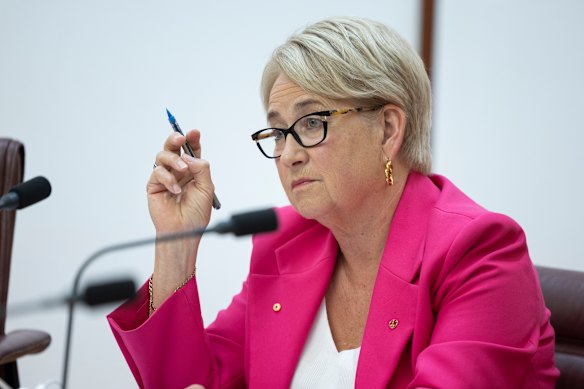
Greens’ housing spokesperson Barbara Pocock says Treasurer Jim Chalmers should force APRA to introduce macroprudential rules.Credit: Alex Ellinghausen
“APRA has a good record of regulation and supervision of the banking sector, and it has demonstrated historically that it has the tools available – and the ability to step in, when required – to tackle any potential system risks,” he said.
“We expect APRA to tap these sorts of tools again, if necessary, to support financial system stability in the Australian banking system.”
Jefferies bank analyst Brian Johnson pointed out APRA had raised the prospect of macroprudential policies in previous comments.
“My view is it’s got to be a risk [that APRA will intervene],” Johnson said.
Jarden analyst Matt Wilson said the growth in banks’ housing investor loan portfolios was buoyant, at about 7.3 per cent a year, but it was not yet at the 10 per cent rate that APRA imposed as a speed limit last decade.
“They would certainly be thinking about it. It might be prudent to put the brakes on,” Wilson said.
“A rate of growth of about 10 per cent might start to raise the eyebrows.”
Greens housing spokeswoman Barbara Pocock said Treasurer Jim Chalmers should direct APRA to introduce macroprudential measures.
Loading
She said it was clear investors were fighting with first home buyers to get into the market, putting upward pressure on property prices and rents while creating possible problems for the banking sector.
“I’m very concerned about an investor bubble which is really disadvantaging first home buyers,” she said.
“The other problem is these investors are not adding to rental stock. About 80 per cent of their properties are existing stock, and that’s having a knock-on effect to the crisis in rents and in homelessness.”
Following APRA’s actions last decade, the Reserve Bank found house prices in areas without large numbers of investors grew about 7 per cent more than investor-heavy areas. Two-thirds of the slower growth in investor areas was attributed to the impact of APRA’s rules.
The RBA also found the rules had an indirect impact on the ability of developers to access loans to build new properties.
An APRA spokesperson said the nation’s banks needed to meet robust standards of financial and operational resilience, which included holding “unquestionably strong” levels of capital while maintaining “sound lending standards for each and every loan.”
“We are engaging with banks on implementation aspects of different macroprudential tools to manage lending risks, which may include limits on new high debt-to-income lending, or limits on new investor or interest-only loans,” the spokesperson said.
Cut through the noise of federal politics with news, views and expert analysis. Subscribers can sign up to our weekly Inside Politics newsletter.
Most Viewed in Politics
Loading