3 months ago
23
3 months ago
23
An additional extension, if made, would capture the Invasion Day rallies typically held on January 26, as well as an anti-immigration March For Australia rally run by a soon-to-disband neo-Nazi group planned for the same day.
The declaration means police are not accepting public assembly applications, which exempt protesters being charged for blocking roads or footpaths during marches.
McKenna said community tension and social cohesion would be assessed again before the commissioner decides on Tuesday whether to make another 14-day declaration.
“At the moment we are working with the organisers for various public assemblies on Australia Day, and we will have different contingencies in place to work with them, regardless of whether there is a declaration or if there isn’t.”
Stop the War on Palestine spokesperson Adam Adelpour said Friday’s rally against the state government anti-protest legislation would feature a “wide representation of the community voicing their opposition to these draconian laws and genocide”.
“We’ll be standing against [Premier] Chris Minns anti-protest laws and his disgraceful attempt to exploit the Bondi tragedy to silence critics of Israel’s genocide,” Adelpour said on Thursday.
“Protest is like a muscle, if you want to keep it, you need to keep using it.”
Meanwhile, David Dungay jnr’s nephew Paul Silva told AAP this week he expected Sunday’s march to go ahead.
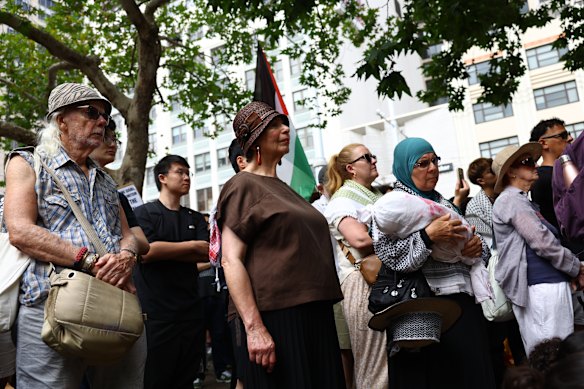
Protesters will be able to “gather” and “stand there”.Credit: Dominic Lorrimer
“We’re not there to create any violence or conflict between police or any other members in society,” Silva said, adding it would be “disgusting” if the declaration prohibiting marches was extended.
McKenna said on Thursday police were “negotiating” with the organisers of Sunday’s rally but had not yet had contact with organisers of Friday’s protest.
“We’re getting the message out to them, regardless, that we will be there in numbers and we will speak to them very early on in the piece and make sure they understand exactly what is expected.”
McKenna said police were not anti-protest and facilitated about 1000 in the Sydney CBD last year.
“What the declaration means is that we’re not accepting form 1 [applications] at the moment,” McKenna said.
“When there’s no form 1 in place, it means you cannot block pedestrians, block footpaths, block roadways, march down streets, that sort of thing.
“People can still have free speech, people can still gather in a park or somewhere that they’re not impeding people,” McKenna said.

Demonstrators march against some aspects of the NSW government’s response to the Bondi terror attack gathered at Town Hall in the days before the laws passed.Credit: Dominic Lorrimer
There have been 25 static protests since the declaration restricting applications was first made in December, McKenna said.
A challenge against the laws have has been filed in the Supreme Court, to return on January 29.
Palestine Action Group organiser Josh Lees vowed to defy the protest ban following a hearing in court last Friday.
“We reject the NSW government’s undemocratic anti-protest laws and the ludicrous, baseless justifications for them,” he told this masthead on Thursday.
Loading
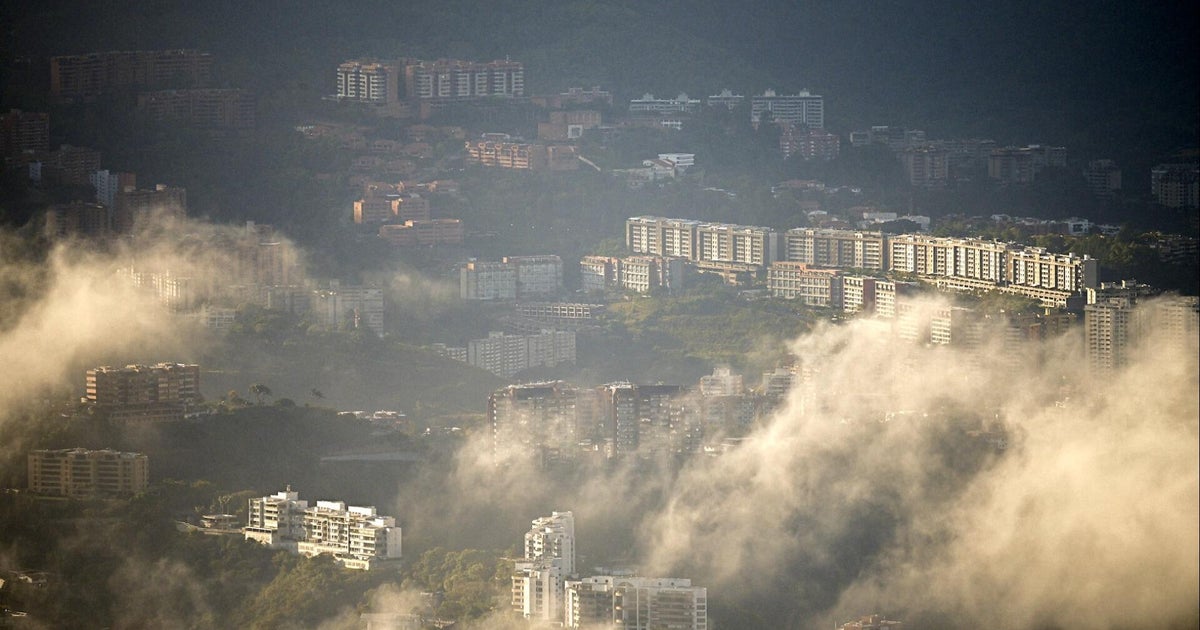
Lanyon first extended the ban days after a rally following the US capture of ousted Venezuelan president Nicolás Maduro.
The rally was held hours after Maduro’s capture, but public assembly applications are typically required to be submitted at least seven days beforehand, unless otherwise approved by the police commissioner or Supreme Court.
Three people were arrested at the Venezuela protest, but no charges were laid.