2 months ago
29
2 months ago
29

February 23, 2026 — 5:00am
One-hundred shots of beer in 50 minutes. If you vomit, you drink it.
For many former university students, O-Week was about intoxication more than orientation. A hazy week of pub crawls, toga parties and beer-skolling marathons, most involving drinking alcohol, sometimes to excess.
But with the cost-of-living crunch and research showing Gen Z are less likely to drink, university O-Week has increasingly become a more wholesome, less boozy affair. There are free barbecues, flower crown and origami sessions, or cake and book clubs – most have no link to alcohol at all.
University of Melbourne psychology and economics degree student Rachel Winter moved from Canberra last year, just in time for her first O-Week.
At 17, she wasn’t old enough to take part in pub crawls, but she didn’t really want to either.
“It tastes bad and it’s expensive, so it’s not worth it. Ever since I discovered social dancing, there were so many other activities that are more fun than getting drunk,” she said.
Now 18, she’s president of the DanceSport Club, which runs classes in tango, ballroom, bachata and salsa.
She said students were more interested in their health and wellness, and there were limitless options including sporting clubs, writing clubs, crocheting, a bubble tea society, and K-pop and Taylor Swift appreciation societies.
More than 12,000 students will descend on the University of Melbourne for orientation activities from Monday, with more than 230 clubs, societies and graduate groups, and 200 different activities and events.
Gianluca Di Censo, a fellow at National Centre for Education and Training on Addiction research, says Zoomers are predicted to be about 18 times more likely to abstain from alcohol compared to Baby Boomers, and drink about 43 per cent less a week. They have internalised health messages and are worried about impacts on their health and wellbeing.
But Di Censo said it was hard to say if more drugs were on the menu.
“Our national surveys show an increase in illicit substance use, but this is typically measured as past-year use,” he said. “Weekly use is still quite low.”
However, LaTrobe University Associate Professor Amy Pennay, from the Centre for Alcohol Policy Research, said 16- or 17-year-olds, who classified themselves as light drinkers or abstainers, reported heavy drinking when they got to O-Week and the first semester of university.
“They say, ‘it was kind of a blip. You know, we felt the pressure. It was really nerve-wracking, meeting new people’, and then ... after they kind of settle into university, that settles again,” Pennay said.
She said young people were more likely to socialise online, rather than at a park or pub.
“Flirting as well, online and those kinds of things you used to need a drink to build up the Dutch courage, the screen is providing that Dutch courage,” she said.
It’s a far cry from the experience of early-2000 graduates at Monash University’s Clayton campus.
“Green Week” revolved around “the centurion”, a drinking game where students skolled 100 shots of beer in 50 minutes. If you vomited, you had to drink it. Many did. The week was held around July, well after O-Week.
A Monash alumnus, now an upper gastrointestinal surgeon, who asked not to be named because of his profession, said he had got to 50 shots before he vomited, but a friend of his drank his own vomit to stay in the game.
“Centurion gave me the skills to pursue surgery and appreciate the importance of the oesophagus,” he joked.
Monash deputy vice chancellor Professor Sarah McDonald said there’d been a significant shift over the past decade, with alcohol no longer playing a central role in Orientation Week.
“There is a much stronger focus on inclusive, alcohol-free events than there was five or 10 years ago,” she said.
The National Tertiary Education Union’s Monash University branch president Ben Eltham said it seemed students were “more sober, more committed, more studious” than the old days.
So, is there still a place for a pub on campus? “Yes,” he said. “But we need to recognise that students are having different types of recreation these days.”
Sinking beers at the pub was also a “pretty expensive thing for a student to do”, he said.
La Trobe student union president Amelia Sevior said the university experience had shifted dramatically.
Her mum, who went to La Trobe 10 years ago as a mature aged student and made lifelong friends, can’t believe all her daughter’s classes are online. There was no reason for her to be on campus at all.
“I think university life is completely different,” Sevior said.
National Union of Students president Felix Hughes, 22, also believes university culture has lost a bit of its soul, and students aren’t getting as much out of it as they used to.
When voluntary student unionism was legislated in 2006, student organisations experienced a dramatic drop in funding.
“When there are events, it’s maybe a one-off in the semester, rather than just regular O-Week events,” he said.
Hughes said students struggled to afford groceries, petrol or rent, let alone alcohol.
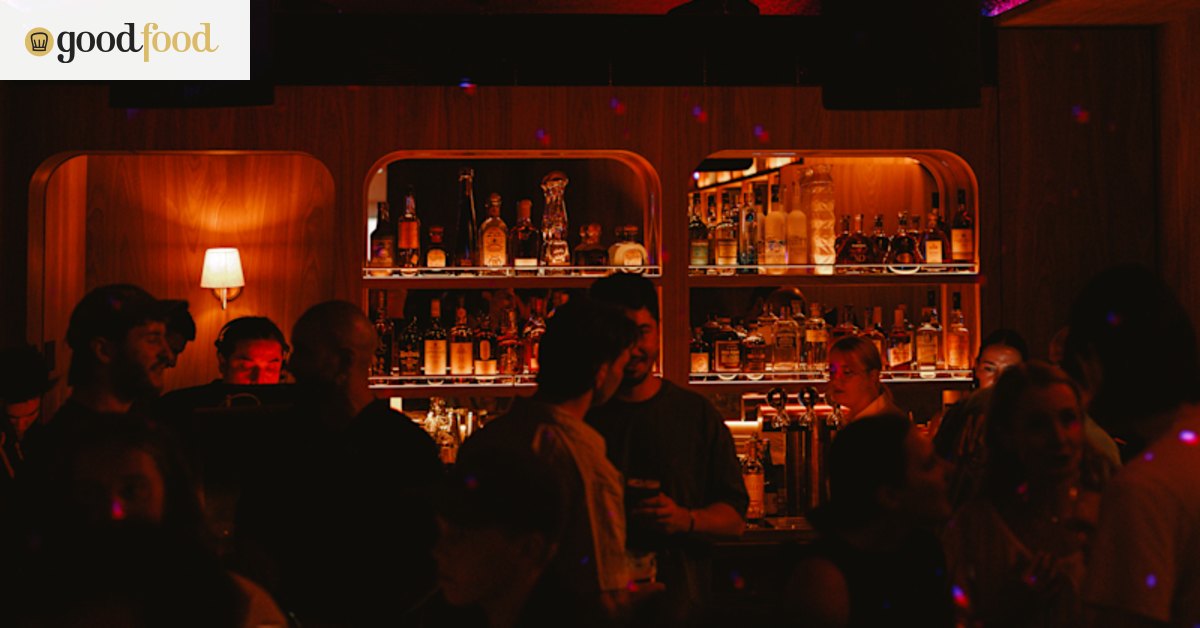
Even if they could afford to drink alcohol, many student-run bars or pubs have closed, including The Hammer and Swine at Swinburne, which shut in 2023.
La Trobe’s student union-run Eagle bar was turned into a for-hire function space, while the Corkman, near Melbourne University, was illegally pulled down in 2016.
Monash Clayton’s Sir John’s Bar is still run as a licensed student venue.
Hughes believes it’s safer to drink on campus, than outside venues where there’s less supervision, or access to mental health support or first-aiders.
Australian Medical Association Victoria representative Sarah Whitelaw said overall, the 18-24 age bracket was drinking less, but more likely to drink in risky ways.
In 2022/23, the National Drug Strategy Household Survey found 14.8 per cent of 18-24-year-olds were more likely to drink 11 or more standard drinks in a single day at least monthly - a level associated with an increased risk of injury and hospitalisation.
“That’s the sort of drinking that we’re talking about at O-Week, that we worry about. We know ... they’re 14 times as likely to experience an injury requiring medical attention, and 10.5 times as likely to have experienced an injury requiring admission to hospital,” Whitelaw said.
Those injuries included falls, fights, accidental alcohol overdoses, sexual assaults, car accidents and, in the past few years, e-scooter injuries.
“Yes, it is still a really big problem. Yes, alcohol is responsible for a higher rate of hospitalisations than any other drug. We’re still dealing with huge numbers, and it is a real concern,” Whitelaw said.
Alcohol and Drug Foundation tips for safe drinking
Drink a “spacer”: a glass of non-alcoholic drink or water every few drinks.
Take sips, not gulps, and drink at your own pace.
Have someone you trust close by.
Use a smaller glass.
Don’t let people top up your drink. Always finish your drink before getting a new one.
Know the alcohol content of what you are drinking, and avoid highly alcoholic drinks.
Eat before and while drinking: it slows your drinking pace and fills you up.
Don’t just sit and drink - play pool or dance. You’ll tend to drink less.
It’s OK to say no, you can even plan your response in advance.
Respect people’s decision not to drink and don’t encourage risky drinking behaviours.
If a person who has been drinking or is tired, don’t let them drive home.
If a friend has had too much to drink, encourage them to switch to non-alcoholic drinks.
Alcohol and Drug Foundation head of evidence and innovation Craig Martin said people did still see O-Week as a party. “I think we’ll see a lot of alcohol and illicit drugs at O-Week across the country, even if it’s declined slightly,” he said.
“It’s important that we get those harm-reduction messages out there. I used to work in ICU and looked after many a drunk young man who became a quadriplegic by ute surfing.”
A Liquor Control Victoria spokesperson said that during O-Week, compliance inspectors visit campuses and venues with a focus on preventing underage drinking, ensuring proper ID checks and stopping any irresponsible or unlawful liquor promotion.
Financial economics exchange student Philomene Macarie, 20, has joined the DanceSport club at the University of Melbourne, but she also likes a drink. It remains a significant part of her university experience.
She says peer pressure to drink has significantly decreased in recent years.
“I’ve never lived in a country where alcohol is as expensive as here. I think I would drink a bit more if it was cheaper.”
The Morning Edition newsletter is our guide to the day’s most important and interesting stories, analysis and insights. Sign up here.