3 months ago
35
3 months ago
35
Opinion
February 21, 2026 — 5.00am
February 21, 2026 — 5.00am
The Roman Empire did not collapse in a single afternoon. It faded through a series of pragmatic compromises.
Legions that once fought for the glory of Rome eventually fought for the generals who paid them. The central authority became a ghost. By the time the last emperor was deposed, the world had moved on to a new way of living. Cricket is marching down the same road.
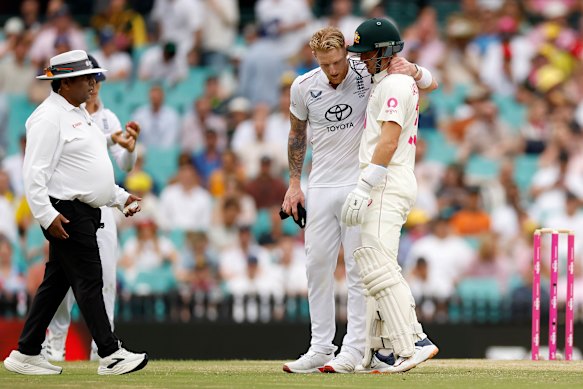
Ashes encounters will survive the collapse of Test cricket come 2050.Credit: Getty Images
Traditionalists look at the 2050 cricket calendar and see the ruins of a civilisation. I see a sport that finally stopped fighting its own nature. Power has shifted from national boards to private equity. The sport is faster, leaner, and driven by a global south Asian middle class that dictates where the money flows.
By 2050, the international season is a boutique window, not the default setting. The Big Three (Australia, England, India) sold stakes in their domestic leagues decades ago. This sparked a chain reaction. Now, four or five global mega-franchises own teams in the IPL, the Euro T20 Slam, and the Major League in the US. Players sign 12-month contracts with these clubs. They are loaned to national teams for a fee. The ICC eventually forced a development tax. Franchises pay 15 per cent of a player’s salary back to the home board that trained them. This kept smaller nations like Zimbabwe and Ireland solvent, even as their best players rarely wear national colours. National pride is a secondary consideration to the balance sheet.
Test cricket is a luxury good. It survived because it is the ultimate status symbol, but its footprint is tiny. The Ashes remains the crown jewel. It is one of the few bilateral series that still draws a crowd. For a traditionalist, it is heartbreaking to see the rest of the calendar hollowed out.
The World Test Championship evolved into a four-year cycle played by the top six. Outside the “Big Three”, South Africa, New Zealand, and perhaps a resurgent Pakistan participate. For the rest, Test cricket died a quiet death around 2040. It was too expensive to produce for a generation that consumes sport in short clips. The nuance of a five-day battle was traded for the instant dopamine hit of a three-hour show.
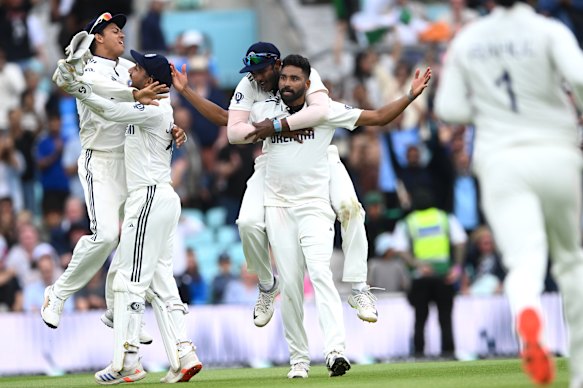
India will be among the few nations playing Test cricket.Credit: Getty Images
The South Asian diaspora has turned cricket into a top-tier sport in North America and Europe. In the US, cricket is no longer a niche immigrant pastime. It is a billion-dollar industry. High schools in Texas and California offer cricket alongside baseball.
The diaspora did not just bring players. They brought the venture capital that funded the Euro T20 leagues. This shift moved the centre of gravity away from the MCC and firmly into the boardrooms of Mumbai, New York, and London. Major League Cricket in the US is a top-three league globally. It attracts retired legends and youngsters who prefer a condo in Miami to an antiquated tour of the Caribbean.
Loading
Women’s cricket is the fastest-growing sector. By 2050, the gender pay gap has vanished in the major leagues. The Women’s Premier League in India is the second most valuable sports property in the world after the men’s IPL.
The women’s game grew because it was not tethered to old ways. It embraced shorter formats and night schedules. In many emerging markets like Brazil and Thailand, the women’s national teams are more successful and more popular. They are the face of the new, inclusive era of the game.
The tools of the trade have undergone a digital revolution. The smart bat of 2050 is a marvel of engineering. This journey began in the late 2010s with Str8bat technology. Those early movement sensors were external attachments that tracked swing paths.
Today, these sensors are microscopic and embedded directly into the core of the bat. They provide millisecond-accurate data on bat speed, power transfer, and the exact point of impact. Coaches do not guess about a batter’s technique any more. They read the telemetry.
Nature could not keep up with the demand for willow. That, along with long growth cycles and competition for land made English Willow a rare resource. Elite players use Aero-Carbon composites or hybrid bamboo-composite blades. These materials offer more power and a larger sweet spot. Traditionalists complained, but the performance gains were too large to ignore. If a bamboo bat hits 20 per cent further, the willow bat becomes a museum piece.
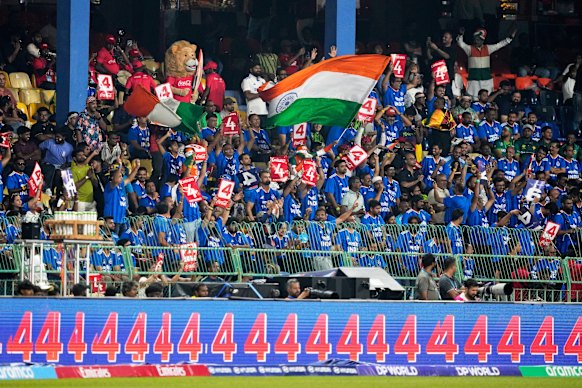
The subcontinent will continue to be a key market for Twenty 20 cricket in the future. Credit: AP
The leather ball was replaced by a synthetic micro-chipped sphere. This smart ball provides real-time data on revolutions and deviation. It also glows under stadium lights to help fans track its path. Since synthetic covers do not scuff like leather, the ball maintains its swing for the entire 20 overs. This has balanced the contest between bat and ball.
The concept of a natural grass pitch is reserved for Test matches. The schedule of T20 leagues required surfaces that do not wear out.
• Hybrid Pitches: Most top-tier grounds use a 90 per cent synthetic weave.
• Total Artificial: In the US and Middle East, pitches are synthetic. This allows for consistent bounce and eliminates the need for heavy rollers.
• Enclosed Stadia: The rain rule is a relic. Major venues now feature retractable transparent membranes. These allow natural light in but keep the weather out. The idea of “playing for a draw” because of rain is an absurdity to the 2050 fan.
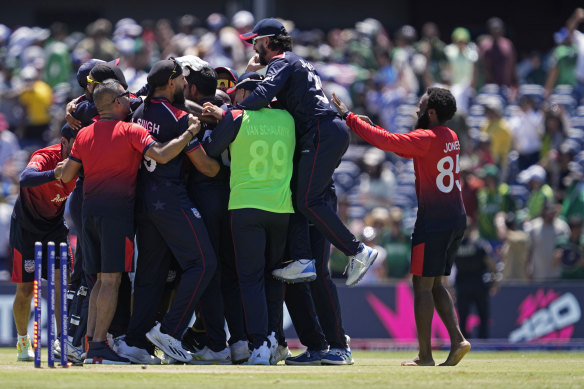
The author says cricket will be a key market for the growth of the game in the United States by 2050.Credit: AP
The International Cricket Council as we knew it collapsed in the 2030s. It was too slow and too political. It was replaced by the Global Cricket Association. The GCA is a public-private partnership.
The board consists of six national representatives and six franchise CEOs. This body treats cricket as a global entertainment product. They standardised the rules across all leagues and created a global transfer portal to manage player movements. The game is run by data scientists and marketing experts.
Loading
The 50-over World Cup still exists, but it feels like a nostalgia act. Fans find the middle overs tedious. Most nations have scrapped their domestic 50-over competitions. In 2050, the sport is split into two camps:
1: T20 and T10: The commercial engine.
2. The Test Championship: The prestigious history.
The 50-over format is the middle child who lost its inheritance. It provides neither the strategic depth of a Test nor the explosive energy of a T20.
The West Indies as a unified Test team is a memory. However, the region remains the world’s most prolific producer of T20 talent. Caribbean players are the most sought-after guns for hire in the global circuit. The CPL is a vibrant carnival that acts as a scouting ground for the mega-franchises. The islands have traded their Test status for a monopoly on athletic flair. They are the “talent farm”, and they are richer for it.
Sponsorship has moved away from traditional broadcasting. Most fans watch via micro-subscriptions on social platforms. Betting companies and tech giants are the primary funders. You don’t just watch a match; you engage with it through augmented reality. You can pay an extra fee to see the match from the wicket-keeper’s perspective or to see the live biometrics of the bowler.
The transformation of cricket echoes the steady dismantling of the Roman frontier. Traditionalists may weep for the loss of the grand, five-day game, but history is rarely written by the romantics. The traditionalist will eventually be a ghost in the grandstand, watching a game that has outgrown its own history.
Most Viewed in Sport
Loading