3 months ago
8
3 months ago
8
Opinion
January 13, 2026 — 7.00pm
January 13, 2026 — 7.00pm
A few years back, my family wound up in an altercation at the beach. It involved two dogs and an unfortunate mishap, and ultimately one dog was injured. For the days after the incident, we tiptoed onto the beach with our dog, aware that she was possibly persona non grata, but we were still shocked when the owner of the other dog tracked us down a few days later and let us have it.
There were a few different factors that led to the exchange, but one comment from the other party has never left me – “Our family has been coming here for generations!” the woman cried. Her argument was, ostensibly, that people like us who regularly holiday at the beach but don’t actually live there are not entitled to the same level of familiarity with the place as people like her, who apparently arrived there on the First Fleet. Even if we own property at the beach, we’ll never be more than holiday ring-ins.
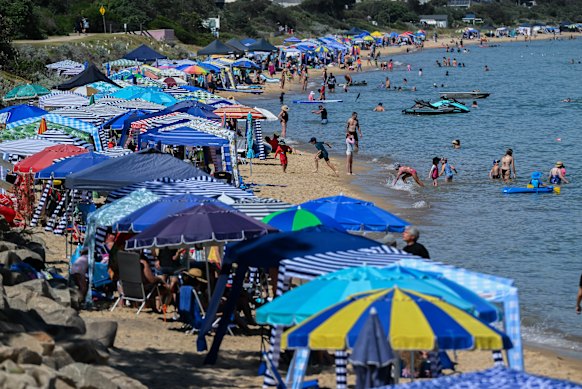
Cabanas and beachgoers at Safety Beach on the Mornington Peninsula.Credit: Joe Armao
It was upsetting at the time, and we had many discussions among ourselves about how unfair it was – but it did make me think, is there perhaps some truth to the sentiment?
Are locals at the coast right to be put out by the sudden influx of city slickers to their beaches every long weekend? Is the economic boost we bring to the takeaway stores, supermarkets and cafes worth the mass appearance of linen-clad middle-class families who prop up their cabanas on the sand, park badly and generally destroy the peace?
I have the privilege of accessing a family beach house, which I am not responsible for paying for, but which I very gratefully visit frequently with the rest of the family. (Recently a friend told me with no small amount of judgment that this is a privilege that I should recognise more – to own the nepo-baby identity the beach house access gives me).
Loading
Over the years, I’ll admit I’ve started to feel a bit possessive of the beaches near the house. One in particular, only accessibly by foot, feels like a secret haven. It’s rare to go down there and see anyone else, and when you do, a polite exchange is guaranteed. But most of the time, you can be swimming in that water, looking out to the horizon and feel like you’re the last person alive. I think of that beach longingly sometimes when I’m grinding away back home at my laptop for my 9-5. I dream of wading into the waters alone, and for once feeling unfettered by the never-ending demands of parenthood and gainful employment.
This Christmas, I made my way down to that beach on a narrow trail through the bush, my dog bounding ahead. When I reached the end of the track, I stopped abruptly – someone had erected a volleyball net on the sand. A large one, anchored into the ground and disrupting that initial view that I was so looking forward to.
Of course, I simply walked around it and could once again stare out at the ocean uninterrupted. It took up very little real estate in the scheme of things, and I basically forgot it was there after a few moments. In fact, I’m certain that whatever locals put it up would have welcomed anyone else using it as well.
But for a brief moment, I felt what I imagine the locals feel when they see our cars crowding up the highways, wheeling into their suburbs with our interstate licence plates, clogging up the queues at the cafe. Undoubtedly, there are things we do that are obnoxiously unaware of the normal state of play. We might not be a constant annoyance, but like tourists in any popular destination, our presence must grate on some level (this isn’t actually that speculative, because I’ve read comments and heard from locals to that effect).
Loading
Being a holiday hotspot comes with obvious drawbacks, and equally obvious benefits, but the biggest positive impact is undoubtedly to those of us who use the beach to escape from our frustratingly monochrome, concrete urban existences back home. I accept the pressed lips of locals when we pass them on the beach, their usually quiet sanctuary suddenly overridden with our dogs and toddlers. I understand the look I get from the barista when I order an oat-milk latte and question the origin of their coffee beans. I appreciate that I am the definition of a pretentious city-person who is on some fundamental level missing the entire point of these communities, of the choice to eschew the economic and cultural access of the city for a quieter life on the coast.
I simply entreat locals to equally accept that the price of tranquillity for the majority of the year is a few weeks of takeover from townies who will crowd the beaches but equally shell out at local businesses in what may feel parasitic but is ultimately a symbiotic relationship.
Zoya Patel is an author and freelance writer from Canberra.
The Opinion newsletter is a weekly wrap of views that will challenge, champion and inform your own. Sign up here.
Most Viewed in National
Loading