3 months ago
52
3 months ago
52

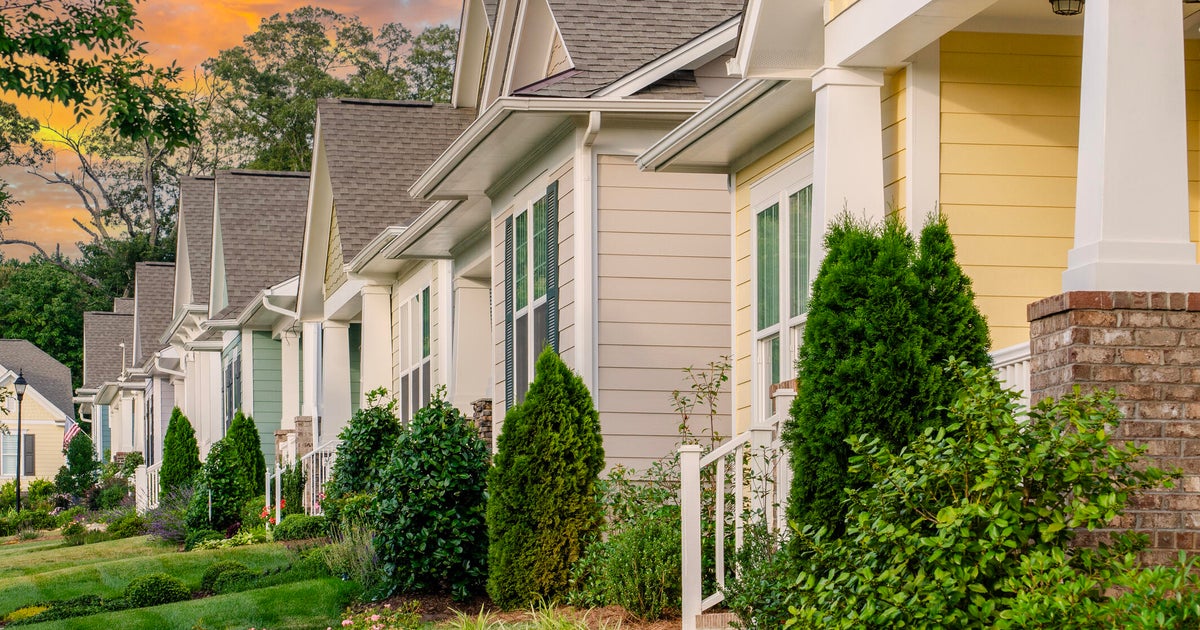
Major housing projects “fast-tracked” by the Allan government to bypass community consultation on the basis they were “shovel ready” are sitting dormant more than a year after receiving the green light.
Internal government figures show that just six homes have been completed and construction has started on only a quarter of the almost 10,000 homes approved by Planning Minister Sonya Kilkenny through the Development Facilitation Program (DFP) since its expansion in September 2023.
The figures cast serious doubt on the effectiveness of the scheme to increase housing supply, as well as the criteria used to deem multimillion-dollar developments ready for immediate work.
The property industry is now calling for the creation of a “homes commissioner” to hold the government to account on its housing promises – including on land availability, infrastructure servicing, project feasibility and barriers slowing new development.
Government officials have admitted they anticipate at least a two-year construction lead time for the major housing projects, despite the program’s extensive “shovel ready” branding.
The expanded program was a centrepiece of the 2023 Housing Statement, which set an ambitious target of 800,000 new homes over a decade.
The program stripped local councils of decision-making power for eligible projects, allowed the minister to override local height and planning regulations, and removed third-party appeal rights at the Victorian Civil and Administrative Tribunal.
The government justified the removal of democratic checks due to the need for urgent supply, and accusations councils were holding back thousands of homes from the market.
However, in a letter to the public accounts and estimates committee, Department of Transport and Planning secretary Jeroen Weimar said only six homes had been built under the DFP pathways since the 2023 statement.
While Weimar confirmed a further 12 projects totalling 2471 homes are currently under construction, he said 7053 homes – or almost 75 per cent of all fast-tracked approvals – are yet to start.
He maintained the home completion figures were “generally within expectations” given the department now anticipates an average lead time of “at least two years between planning approval and construction commencement for significant residential projects”.
Despite Weimar’s admission of an extended lead to construction, department communication and press releases spruiking the program from Kilkenny frequently describe it as a process designed for “shovel ready” projects.
Application documents show DFP projects must also provide the department evidence to demonstrate they are shovel ready, including financial feasibility.
Greens housing spokeswoman Gabrielle de Vietri said the government had allowed profit-driven developers to bypass usual checks and balances for no tangible result.
“The fact that years later developments sold as ‘shovel ready’ haven’t even started and an embarrassing six homes have actually been built just doesn’t pass the pub test,” she said.
Property Council of Australia Victorian executive director Cath Evans said while the DFP helped projects move through the planning system, developers were still being hit by a “complex wave” of post-permit requirements.
“If we want to see more of these approved homes move into construction sooner, the program needs stronger capacity to direct referral agencies and resolve these bottlenecks.”
Referral authorities are agencies – including Melbourne Water, VicRoads, the CFA, EPA Victoria and power and utilities providers – that must be consulted on a planning permit. Developers have long complained that these agencies can sit on approvals for months, or even years.
Ahead of this year’s state election, Evans called for a new independent role of housing commissioner to provide transparency and identify bottlenecks.
The role would provide greater transparency and accountability across the housing system and help the government identify bottlenecks earlier.
Among the “shovel ready” DFP-approved projects yet to proceed beyond planning is an 18-storey, 400-home build-to-rent development in Hoddle Street, Collingwood, which was approved in late 2024. A former Honda dealership remains on the site.
Malaysian developer UEM Sunrise said it remained committed to the Collingwood project but is searching for new investors after a funding agreement fell through in mid-2025. Early works are not expected until late 2026.
In Clayton, a 700-home development near the planned Suburban Rail Loop station remains occupied by industrial businesses nearly a year after it was approved. Developer Assemble would not answer questions regarding the project’s status.
Similarly, in Glen Iris, the Wilmot housing and retail development was approved in October 2024, but no work has begun and a “for lease” sign remains on the existing office building. Developer Time & Place said work is now likely to start in late 2026.
“It’s no secret that construction costs and feasibilities have posed significant challenges across most Victorian projects, but now that the tender process has been finalised we are looking forward to commencing works across this exciting site,” a spokesperson said.
A spokeswoman for Kilkenny said thousands of homes fast-tracked through the DFP would have otherwise been stuck at council level or held up at VCAT for years.
“While we’re cutting red tape to get more homes built, [Opposition Leader] Jess Wilson and her Liberals want to hand housing supply back to council blockers, which is how we got a housing crisis in the first place,” the spokeswoman said.
The minister did not respond to questions regarding whether a two-year lead time was consistent with her definition of shovel ready.
A spokesperson for the Department of Transport and Planning declined to comment.
The stall in delivery comes as the state struggles to meet its lofty 80,000-home-a-year target, and the industry continues to grapple with high construction costs and the availability of cheaper established apartments.
Opposition planning spokesman David Southwick said it was farcical the program had delivered just six homes in 2½ years.
“Under Labor, Victoria has the highest property tax burden in the nation and construction of new homes is at a decade low,” he said.
In a budget submission released on Monday, Victorian Chamber of Commerce and Industry chief executive Sally Curtain said the state must shake the “Anywhere but Victoria” moniker driving away investment thanks to high taxes and poor sentiment.
She called on the state government to cut land tax and red tape to encourage more housing supply.
“We must get the property sector moving again, provide a clear energy road map and back the industries that will drive the next generation of jobs,” Curtain said.
The Morning Edition newsletter is our guide to the day’s most important and interesting stories, analysis and insights. Sign up here.